
Cuba has spent years playing the long game, building influence inside American institutions while Washington often looked the other way. Now the pressure is shifting, with U.S. officials urging Cubans to help expose the regime’s hidden networks and weaken a security service that has thrived on secrecy, patience, and betrayal.
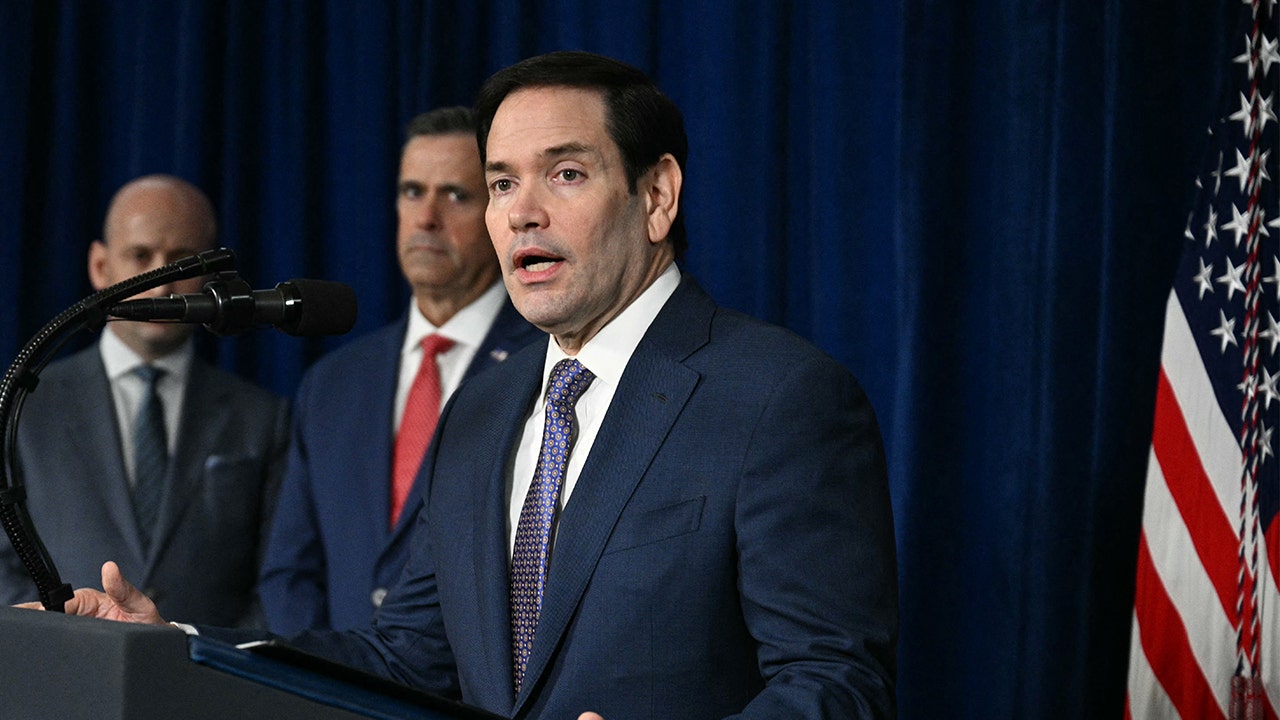
Cuba’s leaders have never needed wealth to make trouble. Even a broken economy can still produce sharp intelligence work, especially when a dictatorship treats survival as the only real priority. Marco Rubio’s push to encourage Cubans to cooperate with the CIA lands right in the middle of that reality, and it challenges the old habit of dismissing Havana as too weak to matter.
That assumption has always been dangerous. A country can fail its people and still run an effective spy service, because repression does not need prosperity to function. It only needs discipline, obsession, and a willingness to spend scarce resources on control instead of ordinary life.
Cuban espionage has already left a clear trail inside the United States. Ana Belén Montes rose to become one of the Pentagon’s top Cuba analysts while secretly working for Havana, feeding sensitive information to the very government she was supposed to assess. Victor Manuel Rocha followed a different path, moving through diplomatic and national security circles while quietly serving Cuba behind the scenes.
Then there were Kendall and Gwendolyn Myers, whose long-running spying operation stretched on for decades. These cases were not random flukes or isolated embarrassments. They were proof that Cuban intelligence knows how to recruit people who look polished, committed, and completely trustworthy.
That is what makes the Cuban model so slippery. It often leans less on cash than on ideology, access, and patience. Cuban intelligence has been skilled at finding people who believe they are serving a cause, then placing them near the kinds of jobs that quietly hand over influence, credentials, and useful secrets.
The damage has gone beyond paperwork and policy analysis. Cuba’s Wasp Network reached into exile groups and even targeted American military facilities, showing how broad the reach can be when Havana gets serious. One of its operatives was convicted in connection with the shootdown of two Brothers to the Rescue planes in 1996, an attack that killed four men, including three U.S. citizens.
That history gives Rubio’s message a sharper edge. If Cuban officials, military insiders, or party figures want out, they may know who has been recruited, who has been compromised, or which operations are still active. Washington does not need blind trust, but it does need willing insiders who can peel back the curtain and expose how the system really works.
Of course, every offer from inside Cuba has to be treated with care. Havana will absolutely try to send false leads, planted stories, and controlled voices meant to waste time or cause confusion. The smart move is not to believe everyone, but to listen hard, verify carefully, and protect the people who can genuinely help.
That kind of pressure can work both ways. It forces Cuban intelligence to look inward, wondering who might already be talking, while also forcing the regime to spend energy policing its own ranks. A spy service that has spent decades exploiting American trust should have to worry more about its own cracks.
There is also a wider message here, and Havana hears it clearly. Dictatorships love to label cooperation with the United States as betrayal, because it keeps people afraid and obedient. But Cubans who want to expose prison chains, secret police tactics, and foreign operations are not betraying their country. They are challenging the machinery that has trapped it.
Washington has a real opportunity if it stays focused. Pressure on the regime should make service to it costlier, while a credible path for insiders should make defection more tempting. That combination takes patience, but patience is exactly what Havana has used against America for years.
The deeper point is hard to miss. Cuban intelligence has operated with a long memory and a long reach, and the United States needs to answer with the same kind of discipline. The next important break may come from someone inside the system who finally decides the regime’s secrets are worth less than the truth.
