
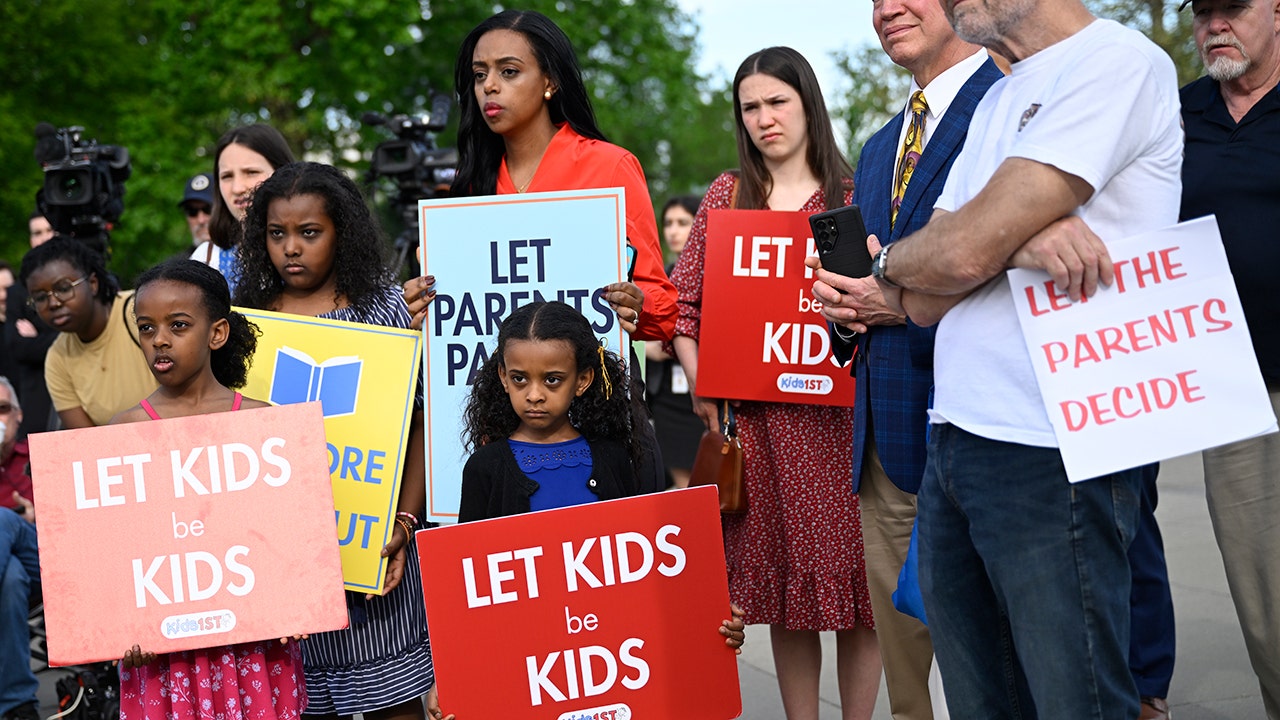
Parents should not need a congressional investigation just to see what their kids are being taught. That basic expectation sits at the center of a messy fight over Philadelphia’s social studies curriculum, where hidden materials, ideological lesson plans, and a wall of silence left families guessing about what was showing up in the classroom. The bigger issue is not just one district, but a school culture that treats transparency like a threat instead of a duty.
Philadelphia parents started noticing troubling signs and asked to review the full curriculum. They ran into resistance instead of answers, which is exactly why the matter escalated into a House committee investigation. The resulting report describes a small circle of school personnel steering social studies toward political messaging that went far beyond neutral instruction.
Even getting the materials into the open took unusual effort. A teacher eventually shared them, but only after asking for anonymity, which says plenty about the climate inside the district. When educators feel nervous about revealing public school content to parents, something has already gone badly off track.
The report points to a world history assignment that asked students to honor a resistance movement, including the Great March of Return. That campaign was tied to Hamas support and violent confrontation, yet the framing pushed students toward approval rather than critical study. Another lesson went further and asked students to identify the United States and Israel as terrorist states.
Students should absolutely study conflict, ideology, and competing political narratives. That is how serious education works, and it is especially true when covering the Israeli-Palestinian conflict or American foreign policy. But there is a wide gap between examining a movement and telling children to “honor” it, and that gap matters a lot.
District leaders insisted the curriculum was not indoctrination. But those denials rang hollow when investigators found the superintendent was unaware that classroom material came from the Racial Justice Organizing Committee, a heavily ideological group connected to district employees. That kind of blind spot is exactly why parents keep asking for the full picture instead of polished talking points.
Philadelphia later said it would stop letting district teachers and administrators write the social studies curriculum and would lean on national experts instead. The district also moved to terminate its social studies curriculum director, Ismael Jimenez, after his public celebration of the Oct. 7 massacres drew attention. Those steps may calm the immediate uproar, but they do not fix the deeper problem if the public still cannot see what is being taught.
That is the real fight here. When schools keep curriculum locked away, every dispute turns into a credibility contest, with administrators saying everything is balanced and parents producing isolated assignments that sound shocking on their face. Without access to the full materials, nobody outside the building can really judge whether the lesson is fair, slanted, or flat-out inappropriate.
The answer is not complicated. Schools should put curriculum guides, reading lists, assignments, and supplemental sources online where families can actually find them. They should also disclose outside groups providing content, along with the officials who approved it, so the chain of responsibility is clear instead of hidden in the weeds.
The same logic should apply to teacher training. If professional development is pushing educators to recruit students into a cause or use controversial issues as activism tools, parents deserve to know that too. Most of this already exists in digital form, which means transparency is not some giant technical burden, just a decision to stop keeping families in the dark.
Open access will create arguments, and that is fine. Public schools are supposed to handle scrutiny, not run from it, and parents are supposed to question what their children bring home. A district can defend its choices without treating ordinary oversight like an emergency, and families can evaluate the evidence without needing permission from a bureaucratic gatekeeper.
Philadelphia’s case shows how quickly trust disappears when schools expect parents to accept vague assurances. Congress can investigate only so many districts, but local families have to live with the consequences every day. A teacher should not have to risk retaliation to show what is being taught, and parents should not need lawmakers to unlock their own children’s classroom materials.
