
The Western Hemisphere is suddenly back in the spotlight, and for good reason. China is digging in across Latin America while cartels and trafficking networks keep testing America’s borders, communities, and patience. The message is simple: the old Monroe Doctrine still has bite, and the United States should act like it.
More than two centuries after James Monroe laid down the marker, the core idea still holds up. If the Western Hemisphere gets less secure, the United States does too. That is especially true now, with Beijing widening its reach through ports, mining deals, infrastructure projects, and other strategic investments that look a lot bigger than ordinary commerce.
At the same time, criminal groups are using the same region as a launchpad for chaos. Drug routes, smuggling corridors, and weak borders create a pipeline that ends with addiction, violence, and overload for American towns and cities. Stronger regional cooperation is the smarter play because it lets partners confront the threat before it lands on U.S. soil.
That is why deeper military training with Latin American allies matters. Joint exercises, expanded security cooperation, and practical support give partner nations a better shot at handling cartels on their own turf. It is not flashy, but it is effective, and it sends a clear signal that the United States is serious about defending its neighborhood.
Intelligence support is just as important. Surveillance assets, better information sharing, and coordinated operations help expose trafficking routes that hide in jungles, along coastlines, and across rough terrain. When criminal networks lose their cover, they lose momentum, and that creates real pressure on the people running the show.
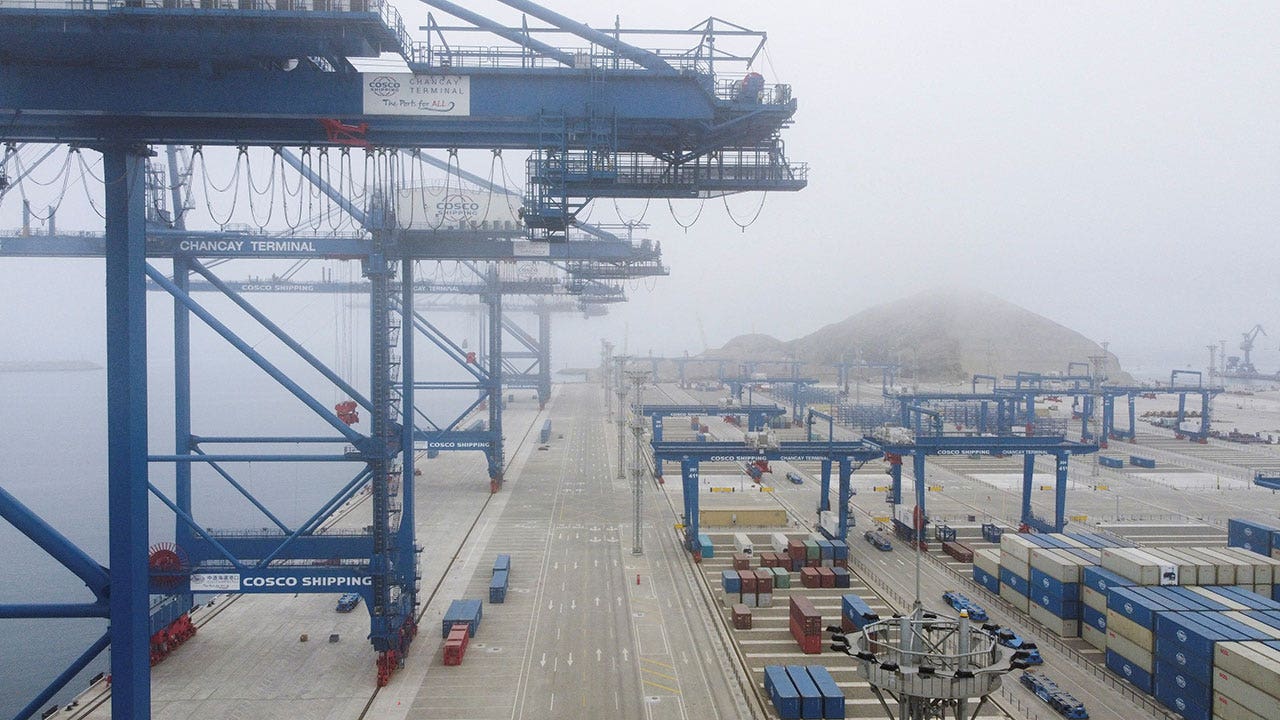
The concern over China is not some abstract diplomatic headache. In places like Peru, massive port projects built and controlled by Chinese state firms raise obvious questions about leverage, access, and long-term influence. A deep-water port can be sold as economic growth, but it can also become a strategic foothold if Washington ignores what is happening.
That is what makes the Port of Chancay so hard to shrug off. A facility like that can reshape trade, but it can also hand Beijing a powerful position in a region that should matter deeply to American planners. Once critical infrastructure falls under the control of a rival power, the risks reach far beyond shipping schedules and tariffs.
U.S. diplomacy has to keep pace with these changes. Ambassadors, military leaders, and regional partners need to be rowing in the same direction, especially in places like Peru, Colombia, Ecuador, and Panama. The goal is not to dominate the hemisphere with brute force, but to keep hostile powers from turning it into a chessboard against American interests.
Taxpayer dollars should match that mission. Aid and foreign policy tools ought to produce clear gains for U.S. security, not feed bloated programs with fuzzy results. If a policy does not help counter Chinese influence, support allies, or weaken transnational threats, it deserves a hard look.
That also means staying realistic about what America First actually means. It does not mean isolation, and it does not mean pretending the neighborhood is safe just because the problem looks far away. It means putting American security first by working with countries that want to stand up to cartels, resist foreign interference, and protect their own sovereignty.
The Western Hemisphere is not a side story. It is the front edge of America’s security perimeter, and every new port deal, every intelligence shift, and every joint operation reflects that reality. The sooner Washington treats the region that way, the better the odds of keeping danger from hardening into something far worse.
