
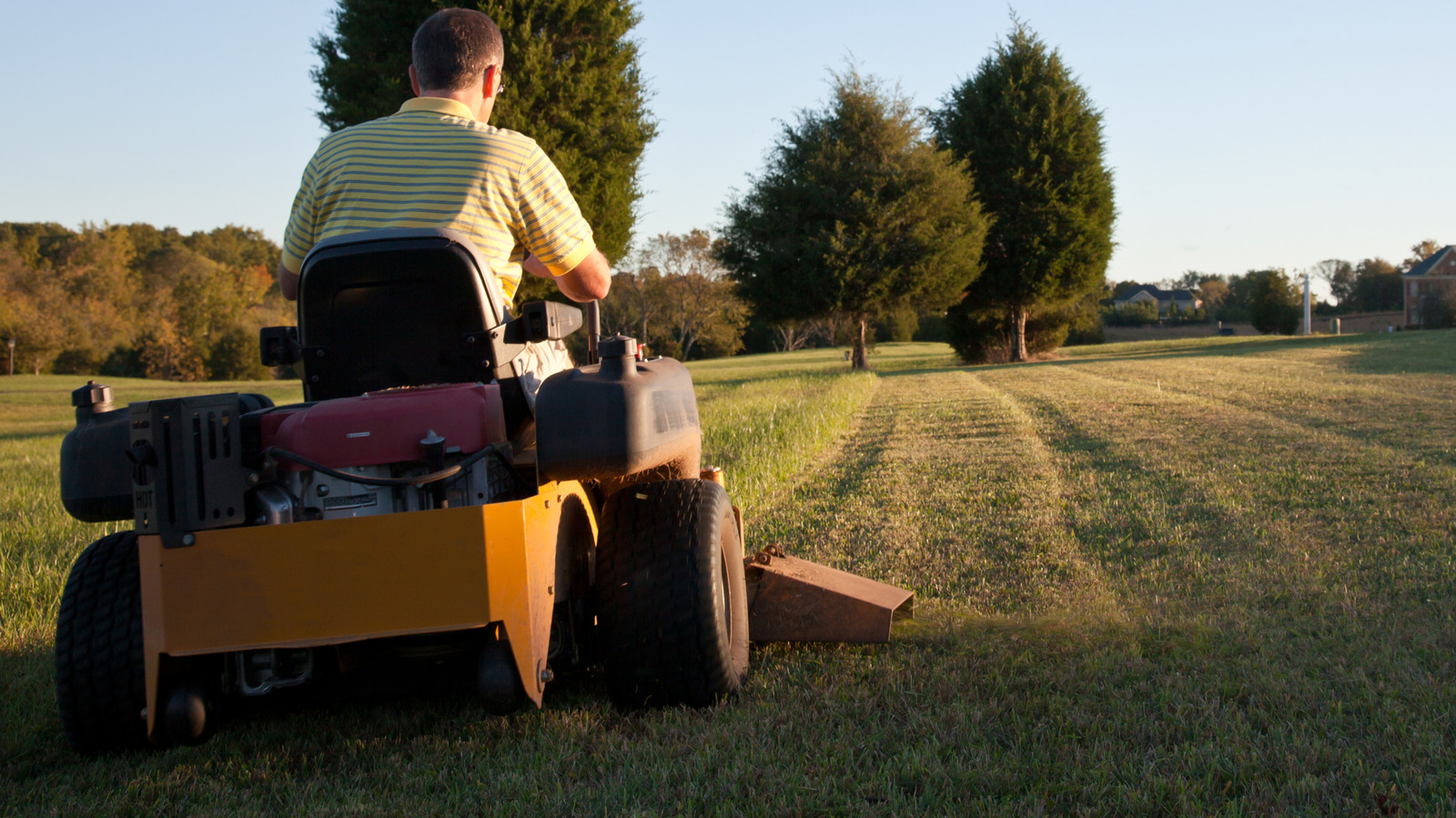
A zero-turn mower that starts drifting left or right can turn a simple yard job into a frustrating fight with the wheel sticks. The good news is that the most common causes are pretty ordinary, and a lot of them can be traced to tire pressure, tracking, or a worn steering system. A few checks can point the machine back straight before the problem becomes a bigger repair.
Uneven tire pressure is one of the first things worth looking at. If the rear tires are not inflated the same way, the mower can naturally pull toward the softer side, even when the controls are held steady. That kind of fix is quick, but the right pressure should always match the owner’s manual rather than a guess.
Tracking is another frequent reason these mowers wander. The adjustment points are often found near the steering bars, and the idea is to make small changes on the side opposite the direction the mower is drifting. It is a slow process, but tiny corrections matter here, because one big adjustment can push the machine the wrong way and make the steering feel even stranger.
Before touching anything, the mower should be parked on level ground with the blades disengaged, the controls in park, the engine off, and the key removed. That simple reset keeps the job controlled and prevents a bad situation from getting worse. After adjusting, a short test drive helps show whether the mower is still pulling or whether the change helped.
If the steering still feels off, the linkage deserves a careful look. Bent parts, worn joints, or visible damage can throw off the way the machine responds, and those issues are not always obvious at a glance. When the linkage looks suspect, replacement parts or dealer help may be the smarter route than trying to force a fix.
Sometimes the problem runs deeper than the steering bars or tie points. A hydraulic drive system that is not working evenly can make the rear wheels behave differently, which can cause the mower to drift even when everything else seems normal. When that happens, a professional technician is usually the best call, since hydraulic issues can be messy and hard to diagnose without the right tools.
Mechanical problems are only part of the story, though. A zero-turn mower can also veer when it is pushed too hard across rough or unsafe ground. Slopes, uneven patches, and slick grass can all make the wheels lose their grip, and once that starts, the mower can slide instead of tracking cleanly.
That sliding is more than an annoyance. It can tear up turf, turn mowing into a rough ride, and create a real collision risk if the machine starts heading toward a tree, fence, or other obstacle. On steep ground or near drop-offs, the danger rises fast, and a mower that loses traction can tip into a much more serious problem.
Wet grass adds another layer of trouble. Traction drops, braking becomes less predictable, and turns can get sloppy in a hurry, especially if the machine is moving too quickly. The same caution applies near open water or anywhere the ground falls away sharply, because there is very little room for error once the tires start slipping.
Safe operation matters just as much as repairs, and that means keeping speed steady and avoiding sudden moves that can upset the machine. If the mower has a rollover protection system, the roll bar should be locked in place and the seat belt worn whenever mowing conditions call for it. A zero-turn mower can be a sharp, efficient tool, but it works best when the ground is decent, the setup is right, and the steering stays honest.
