
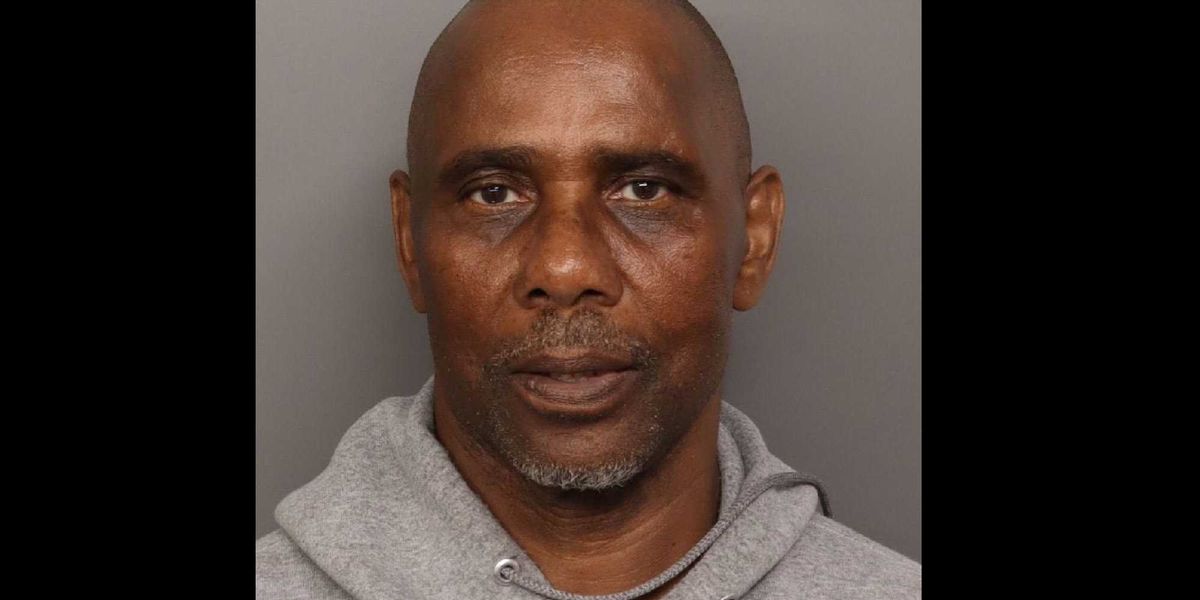
A convicted rapist who vanished after removing his ankle monitor has been found dead, closing a tense search that had law enforcement watching closely. The case drew attention because of the violence tied to his record, the sudden disappearance, and the way the trail ended without an arrest. Investigators say the discovery brought a grim conclusion to a dangerous manhunt.
The man at the center of the case was identified as Carlos Garcia. Authorities had been looking for him after he slipped away from supervision by taking off the monitoring device, a move that immediately raised alarm given his background and the serious nature of his conviction. Once he disappeared, the situation shifted from a routine supervision failure to a full-scale search.
Garcia’s criminal history made the escape especially concerning. A violent sex offender on the loose is not the kind of headline anyone wants to see, and officials knew the clock was ticking once the monitor went offline. Every hour without a lead meant more uncertainty for the public and more pressure on deputies trying to track him down.
Details about where he went or how long he managed to avoid capture were part of the broader investigation, but the outcome has now changed the tone of the case. Instead of a man being brought back into custody, authorities say he was found dead. That discovery ended the active search, though it left plenty of questions hanging in the air.
Cases like this tend to expose the messy reality of post-conviction monitoring. Electronic tracking can help keep tabs on dangerous offenders, but once someone decides to remove the device and run, the system depends heavily on fast alerts, quick response, and luck on the ground. When that chain breaks, the public is left with the uneasy feeling that a serious threat slipped through the cracks.
For deputies and investigators, the challenge is not only finding the person but also figuring out what happened in the hours and days after the disappearance. Every clue matters, especially when the person being hunted has already shown a willingness to ignore the rules and put others at risk. The fact that Garcia was later found dead shifts the focus from pursuit to explanation.
There is also the broader issue of how communities handle violent offenders after release. Monitoring tools are supposed to provide a layer of control, but they are not a guarantee. When a convicted rapist can simply remove a device and disappear, that raises hard questions about supervision, enforcement, and how much confidence people should place in the system.
The public reaction to cases like this is usually shaped by fear, frustration, and a demand for accountability. People expect dangerous offenders to be watched closely, and when that fails, the fallout is immediate. A dead fugitive may end the chase, but it does not erase the risk that came before it or the concern about what could have happened while he was missing.
As the investigation settles into its next phase, the remaining focus is on the facts surrounding Garcia’s final days. Authorities will be piecing together the timeline, the conditions that led to his death, and the steps that were taken once the ankle monitor came off. The search is over, but the case still carries the kind of weight that lingers well after the sirens go quiet.
