
Progressive Democrats are promising a loud, ambitious agenda, but the harder question is whether a narrow majority would actually let them govern that way. The story is less about campaign fireworks and more about who wins the swing districts, who follows party discipline, and which promises can survive contact with reality. If Democrats take control, the gap between the left flank and the practical middle could become impossible to ignore.
That tension is already showing up in the way some candidates talk about power. Minnesota Senate candidate Peggy Flanagan has leaned into Medicare-for-all and other hard-left goals, while progressive House hopefuls in blue districts are also making bold pledges on immigration, climate, Israel, and wages. Those messages can fire up activists, but they are not the same thing as building a durable governing coalition.
The key point is simple: the candidates most likely to decide control of Congress are often not the loudest ideologues. They are the people in tougher districts, the ones who have to win over voters who may like parts of the Democratic message but not the whole package. That matters because those lawmakers are the ones who would be asked to vote for any real legislation, not just talk about it on the trail.
That is why a House or Senate win would not automatically hand the party a free pass for Medicare-for-all, a Green New Deal-style agenda, or other sweeping priorities. A handful of swing-district Democrats could be enough to take the majority, but those same lawmakers would likely hesitate to back policies that sound great at a rally and rough in a suburban district. In politics, the map can be a buzzkill.
The Senate would make things even tougher. Even with a majority, major bills still face the 60-vote threshold needed to overcome a filibuster, and that is a brutal wall for any party trying to jam through a big agenda. Add a Republican president ready to veto anything too extreme, and the math gets even uglier.
This is not a new problem for either party. Republicans in 1994 ran on the Contract With America and still struggled to turn big promises into a full legislative overhaul. Democrats in 2006 campaigned against the Iraq war and found that ending it was messier and slower than the activists wanted. Republicans in 2010 promised to undo ObamaCare, and years later that fight is still dragging on.
The lesson is easy to spot even if it is hard to admit: campaign language is usually cleaner than governing. Candidates can sound revolutionary in October, then spend the next year negotiating with the same moderates they needed to win in the first place. Once the gavel changes hands, the slogans run into procedure, caucus math, and a lot of cold political reality.
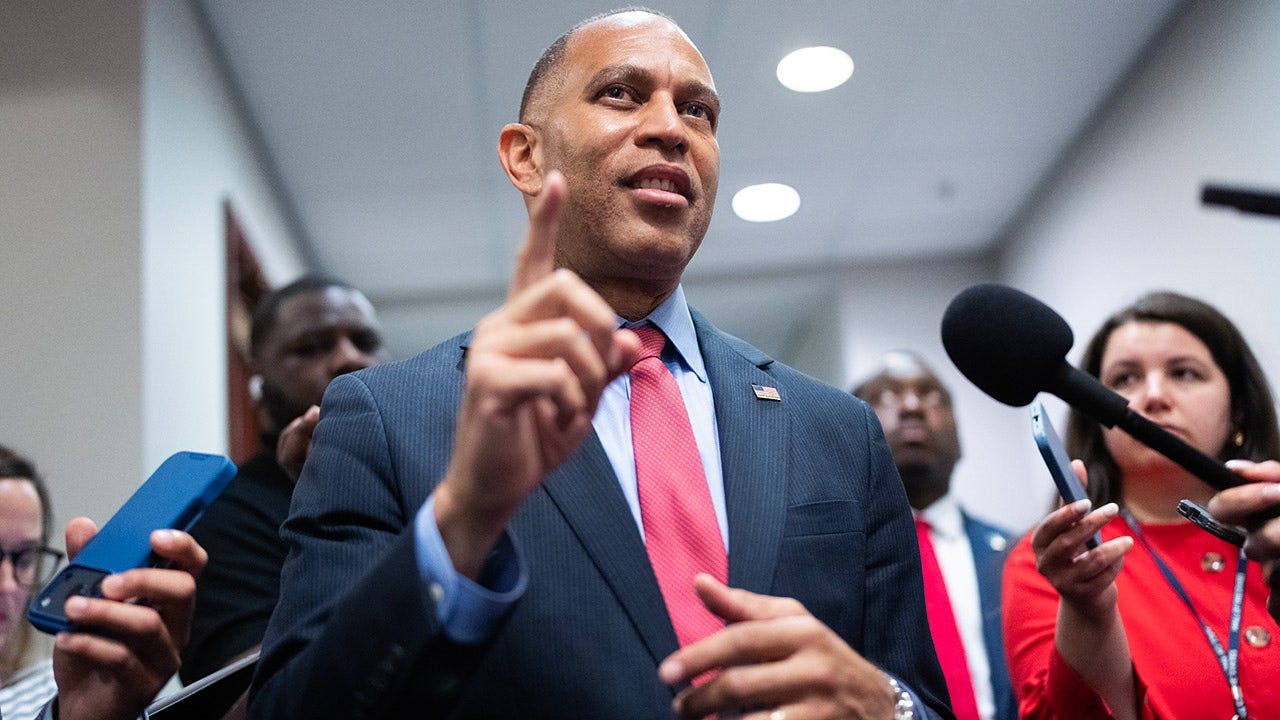
That reality also shapes the fight inside the Democratic Party itself. House Minority Leader Hakeem Jeffries has to keep the party together if Democrats win back power, and that means balancing the demands of the left with the instincts of the middle. He is not exactly running toward Medicare-for-all, which says plenty about how careful national Democrats have to be when the rubber meets the road.
Still, the party may find more agreement on investigations than on sweeping policy changes. If Democrats gain power, probing the Trump administration would give them a common target and a clean message for the base. It is the kind of fight that can unite moderates and progressives for a while, even when they cannot agree on how far to push the rest of the agenda.
That is where the real pressure will land, on the lawmakers who can win in places that do not reward ideological purity. They may be asked to sell themselves as pragmatists at home and team players in Washington, which is a tough act to keep going. And that tension is exactly why the promise of a progressive takeover may look stronger on the stump than it does in Congress.
