
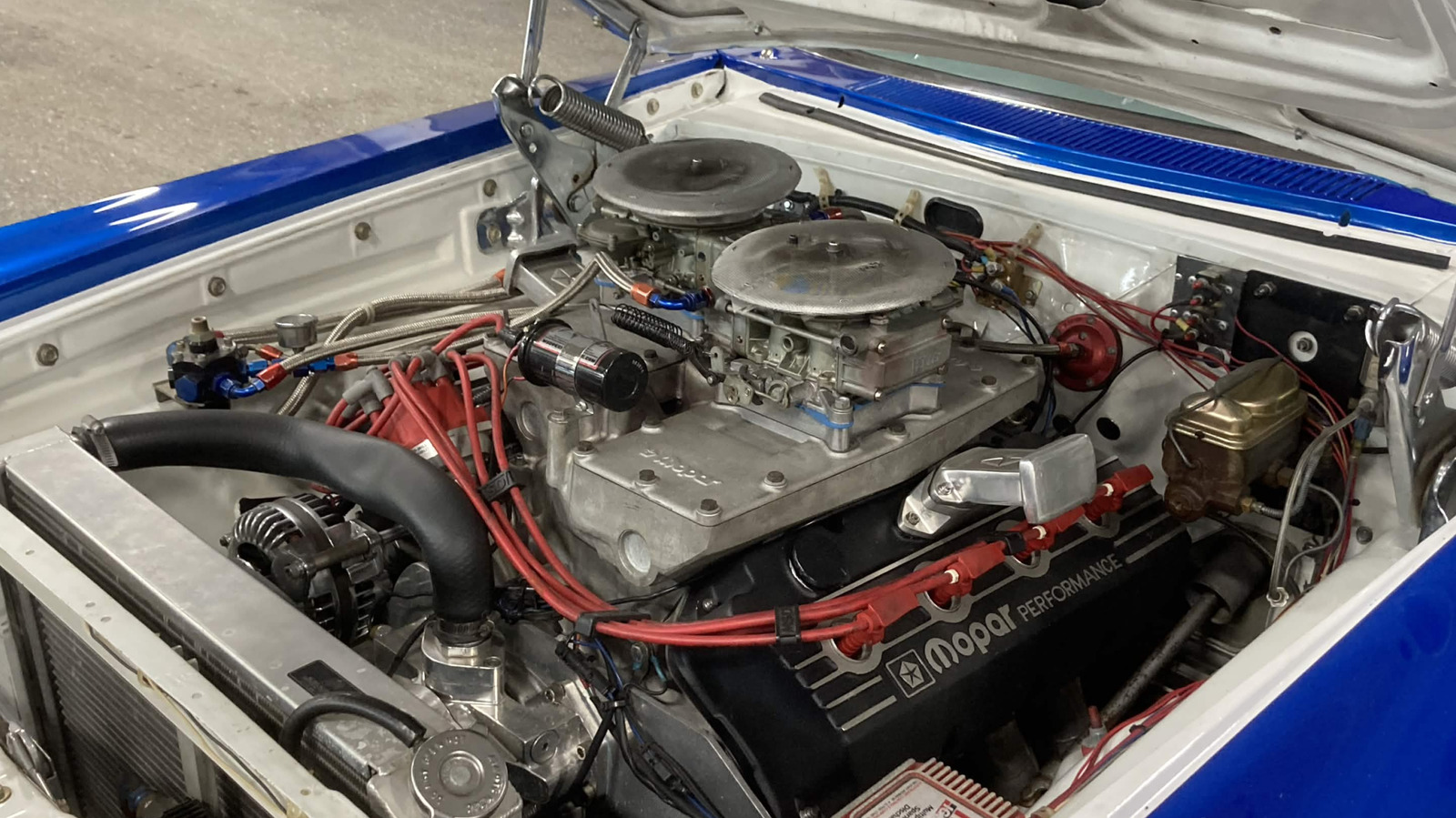
5 Drawbacks Of Pushrod Engines
Pushrod engines have earned a loyal following for good reason. They are compact, dependable, and famous for strong low-end torque, which is why they still show up in trucks, muscle cars, and other workhorse builds. Even so, that old-school layout brings some real trade-offs that matter once the revs climb, the parts get busy, and the engineering gets more demanding.
The basic idea is simple enough: a camshaft down in the engine block works through pushrods, lifters, and rocker arms to open the valves in the cylinder head. That arrangement keeps things tidy in some ways, but it also limits how far the design can be pushed. When performance, efficiency, and long-term durability are all on the table, the weaknesses start to stand out fast.
One of the biggest limitations is how hard pushrod engines struggle at high RPM. The parts involved have to move fast and stay in sync, and once the engine speed rises too much, inertia becomes the enemy. Valve float can happen when the valves fail to close in time, and that can quickly turn into bent valves or damaged pistons.
This is why pushrod engines tend to feel right at home in applications that care more about grunt than top-end screaming. Diesel trucks and classic V8s often thrive in that lower-rev zone, where the valvetrain has more time to do its job. Once the engine is asked to spin much faster, though, the design starts asking for extra hardware just to keep everything under control.
Another drawback is the restricted valve count. Fitting pushrods into the block takes space, and that makes it harder to build elaborate multi-valve setups without adding complexity. More valves can help an engine breathe better, especially at higher RPM, but pushrod designs usually have to work harder to get there.
That limitation matters because modern engines often lean on more valves per cylinder to improve airflow and combustion. Pushrod engines can still be built with multi-valve heads, but the setup gets more niche and less elegant. The result is a design that often makes sense for torque-heavy duty, yet feels less flexible for the broad range of performance goals that newer engines are expected to cover.
Variable valve timing is another area where pushrod engines usually give up ground. VVT helps an engine adjust valve behavior for different conditions, balancing power, efficiency, and smooth operation across the rev range. It is one of those features that lets a modern engine feel smarter and more adaptable without needing a totally different design for every task.
Pushrod engines can use VVT, but the setup is still more limited than what overhead cam designs can do. With only one camshaft handling the whole show, intake and exhaust timing cannot be managed as independently. That makes the system less flexible, and in many cases it only adjusts when the valves open, not how long they stay open.
Then there is the simple fact that pushrod valvetrains have more moving parts. The camshaft, lifters, pushrods, rocker arms, valve springs, and related hardware all have to work together every time the engine fires. Each extra step adds another piece that can wear, loosen, or fall out of tune over time.
That extra complexity also creates more maintenance pressure. Overhead cam engines have their own headaches, sure, but pushrod setups rely on a chain of parts that all depend on each other in a very direct way. If one link in that chain starts acting up, the rest of the system feels it quickly.
More parts also means more chances for something to fail. A worn rocker arm can affect a pushrod, a bad lifter can throw off valve action, and overheating or poor lubrication can bend metal that was never meant to take abuse. Even a telltale ticking sound can point to trouble waiting under the valve cover.
That is the real catch with pushrod engines. They can be wonderfully effective in the right role, but they ask for compromise in return. For drivers who want high RPM power, broad valvetrain flexibility, and fewer weak spots to watch, the old pushrod formula starts showing its age fast.
