
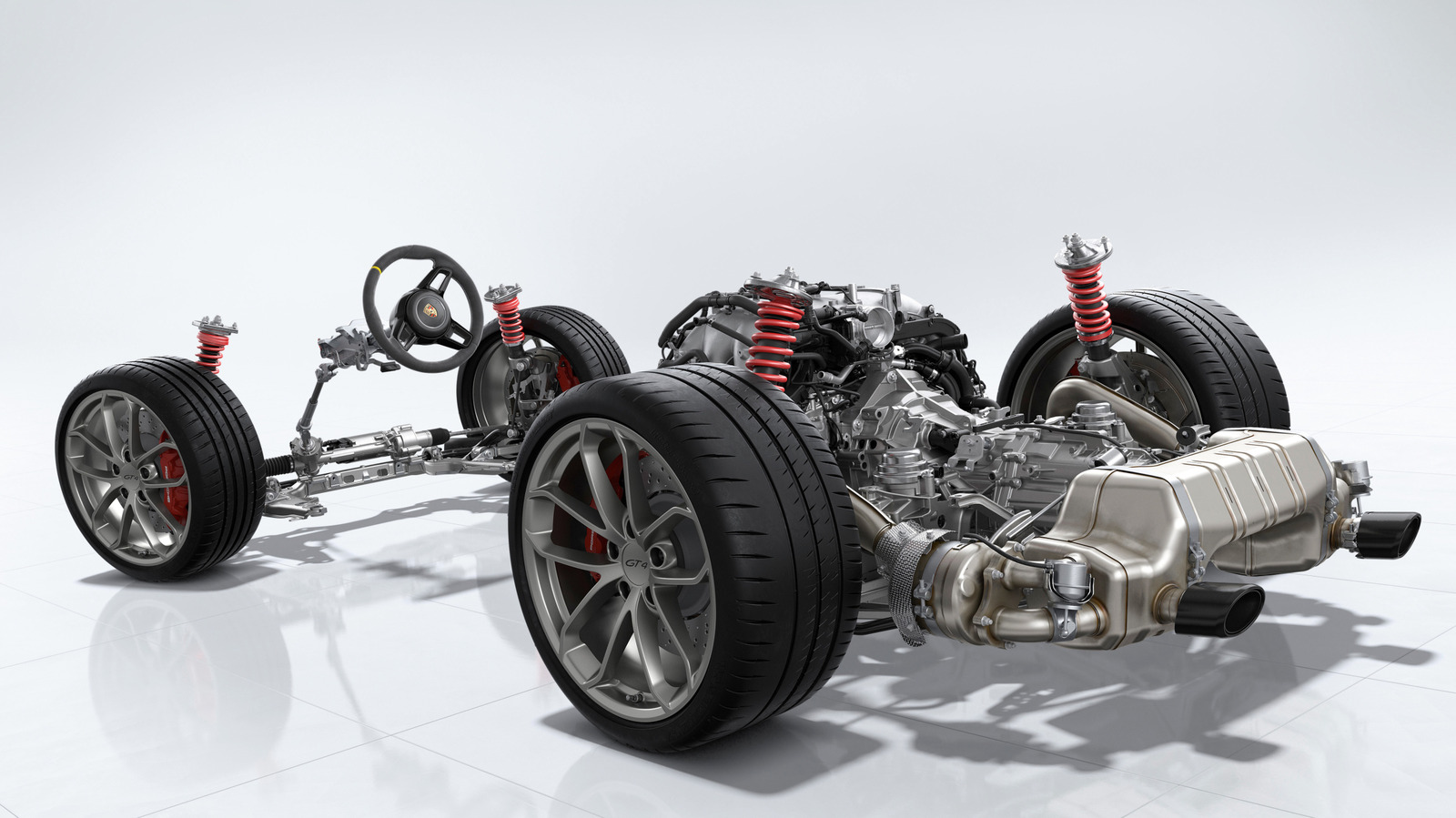
Mid-engine sports cars have a certain magnetic pull, thanks to their sharp responses, dramatic looks, and the sense that they were built for serious driving rather than everyday compromise. That layout, with the engine sitting behind the driver and ahead of the rear axle, creates real performance advantages, but it also brings tradeoffs that can be hard to ignore once the excitement wears off. The catch is simple: the same design that makes these cars feel alive can also make them awkward, tight, and expensive to live with.
One of the biggest sacrifices is passenger space. Most mid-engine sports cars are strict two-seaters, and even the rare 2+2 designs from the past usually packed in rear seats that were more symbolic than useful. When the engine takes up the space where a rear bench might go, there is just not much room left for extra people, and stretching the car to fit them can dilute the very agility buyers wanted in the first place.
That cabin layout also affects storage in a big way. With no rear seat to use as a catchall and limited room in the front because of cooling hardware and sleek bodywork, cargo space often shrinks to a few carefully measured pockets. Some models manage a bit more than others, but shopping bags, road trip luggage, and weekend gear can quickly turn into a juggling act.
For drivers who imagine using a sports car for more than a quick blast down a back road, that can be a rude awakening. A mid-engine machine is usually happiest when it is carrying two people and very little else, which is great for focus and less great for practicality. If the plan involves heavy luggage, family duty, or long vacations, the car starts feeling like a luxury toy with sharp elbows.
Maintenance is another place where the layout shows its teeth. When the engine sits in the middle of the car, access gets tight, and that usually means more labor time, more hassle, and a bigger bill at the end. Shops know it, owners know it, and anyone who likes to work on cars at home finds out fast that cramped packaging can turn simple jobs into a half-day puzzle.
Even basic service can be more annoying than it should be. Some mid-engine cars require panels to come off, access from underneath, or extra steps just to reach parts that would be easy to touch in a front-engine car. Changing oil, swapping spark plugs, or handling other routine tasks can become a lift-required chore, and that is before any major repair enters the picture.
Then there is the handling story, which sounds like all upside until the car reaches the edge of its grip. Mid-engine layouts are prized because they can change direction quickly and feel incredibly balanced, but that same eagerness can make them more unforgiving when traction disappears. In wet, snowy, or otherwise messy conditions, a spin can develop faster than a driver expects and be harder to reel back in.
That is the strange dual nature of these cars. They can feel brilliantly precise when everything is working in their favor, yet a little dramatic when the road turns slippery or a corner is taken with too much ambition. The balance that helps them carve clean lines also means they can stay committed to a slide once things go sideways, which is not exactly comforting if confidence slips for a second.
For plenty of enthusiasts, none of this is a dealbreaker. The appeal of a mid-engine sports car comes from the way it turns every drive into something sharper, louder, and more memorable than the ordinary commute. Still, the limits are real, and they show up in daily life long before the first lap time is recorded.
