
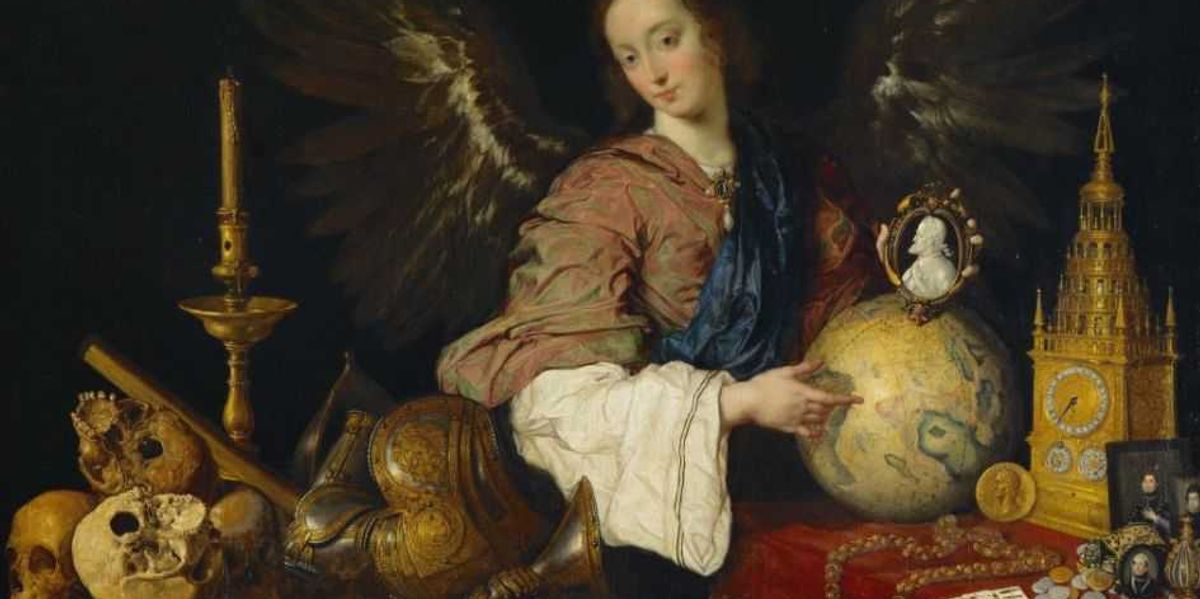
Time has a nasty way of staying invisible until life gives a hard shove. A death in the family can crack that illusion wide open, turning ordinary days into something sharper, heavier, and far more real. In that space, memory, grief, and the old idea of memento mori stop feeling like abstract philosophy and start feeling like basic survival.
The strange thing is how often people live as if there will always be more time to call, visit, forgive, or pay attention. Days blur, routines take over, and even the biggest truths get pushed to the edge by errands and noise. Then loss arrives, and the clock suddenly feels loud.
That shift can be brutal, but it can also be clarifying. The death of someone close does not just leave an absence, it exposes how much of life was being taken for granted. Suddenly, the small gestures matter, the old stories matter, and the simple fact of being present starts to look like a gift instead of a habit.
For many people, that kind of reckoning changes the way family is seen. Parents, grandparents, siblings, and children are no longer just names in a household or faces in a photo. They become living links in a chain stretching backward through ancestors and forward through the next generation, and that makes every conversation feel a little more charged.
Memory plays a huge role in that process because it is the only place where the dead still seem to move and speak. A scent, a song, or a familiar phrase can bring someone back with surprising force. Those moments are not sentimental fluff; they are proof that the mind keeps its own archive, and grief keeps digging through it.
There is also something deeply human about the urge to understand time only after it has already slipped through the fingers. A lot of thinkers have circled that problem for centuries, including Paul Janet, who explored how mortality presses against the way people think about meaning. The lesson lands harder in real life than in theory, because the body keeps aging while the mind keeps pretending tomorrow is guaranteed.
That disconnect can affect more than feelings. It shapes attention, judgment, and even cognitive performance, because a mind crowded with unfinished loss does not always work in a clean, linear way. Grief can fog focus, but it can also sharpen priorities, cutting through the nonsense that once felt important.
Children often notice this before adults do. They watch how time is discussed, how absence is handled, and how stories about the dead are passed down around a dinner table or during a drive. In that way, culture teaches the next generation whether mortality is something to fear, avoid, or face straight on.
And maybe that is where the old wisdom still bites the hardest. Memento mori is not about being gloomy for sport, it is about refusing to live half-awake. It asks people to look at death without flinching and then, somehow, to love their ordinary lives more fiercely because they know those lives are temporary.
That may sound severe, but it can be strangely freeing. Once the illusion of endless time falls apart, excuses get smaller and connection gets bigger. People start calling back, showing up, and paying attention in ways that would have felt awkward before loss forced the issue.
The dead do not hand back the years, but they can leave behind a harder, clearer sense of what matters. Family becomes less about obligation and more about presence, and time stops being a blank stretch of future days. It becomes something fragile, borrowed, and impossible to waste without feeling it later.
