
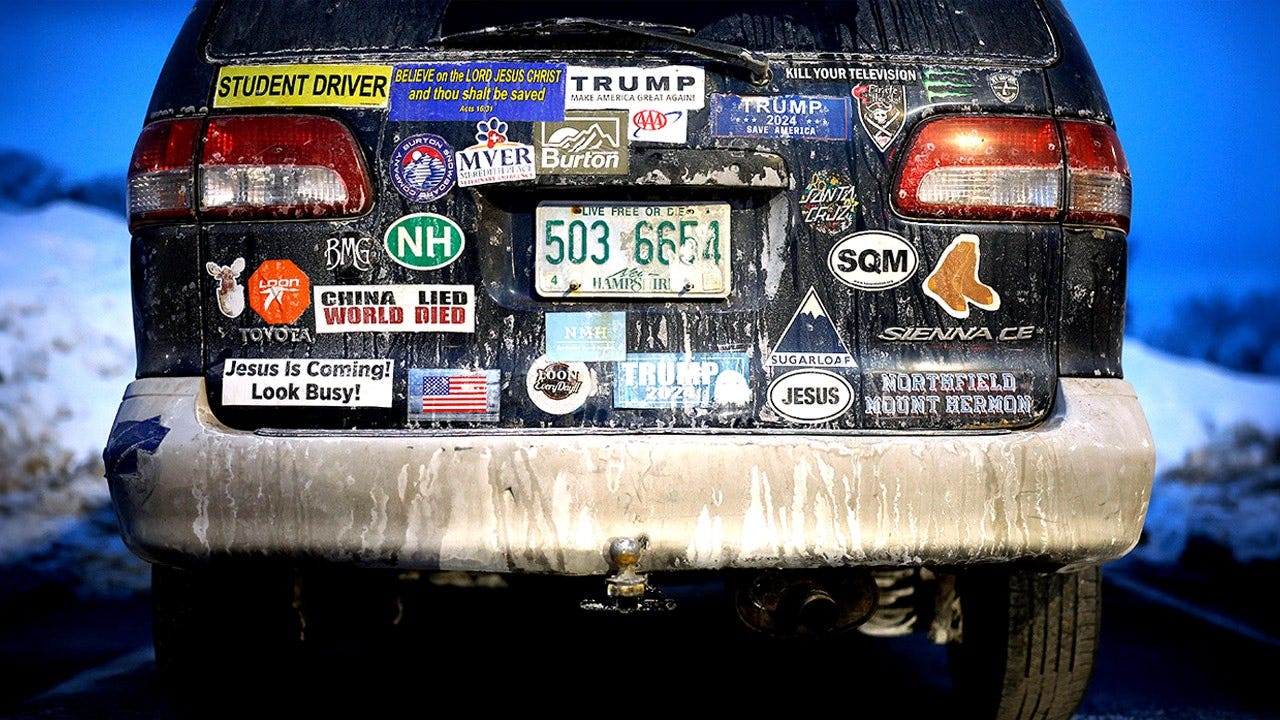
Privacy worries around license plate reader networks are pushing a new fight in Washington, where lawmakers are starting to draw a harder line around how much vehicle data police can collect and how it can be used. A bill from Rep. Pat Harrigan is aimed at keeping bumper stickers, religious messages and political signals from becoming part of a searchable surveillance web, while also tightening the rules on warrants, data retention and vendor access.
Harrigan’s proposal takes direct aim at automated license plate readers, including Flock cameras, which have become common tools for police departments across the country. Supporters say the systems help solve crimes and track suspicious vehicles faster, but critics see something far more invasive, especially when the cameras quietly record where people go and build a digital trail around ordinary movement.
The core concern is not just the plate number. Harrigan argues that these systems can reveal too much about a person’s life, from where they work to where their children go to school and even where they worship, all without any criminal suspicion attached. That kind of reach has fueled a growing backlash, especially among people who feel the technology is being normalized before the public fully understands what it can do.
His bill would stop ALPR searches from targeting political or religious messages on vehicles and would block agencies from turning things like bumper stickers, flags and decals into searchable data. That means messages such as “Back the Blue,” “Jesus Saves” or “Black Lives Matter” would not become another category in a law enforcement database.
It also goes beyond the sticker issue. Under the legislation, police would generally need a probable cause warrant to run searches, with narrow exceptions for emergencies or threats to life and safety, and the data would have to be deleted within 24 hours unless a warrant, court order or emergency justifies keeping it longer.
The bill also tries to shut down the business side of the surveillance economy. Vendors would be barred from selling or sharing location data, and they would not be allowed to use ALPR data to train artificial intelligence models, a detail that reflects rising anxiety over how quickly camera footage and metadata can be folded into bigger tech systems.
Harrigan says the goal is not to strip police of a useful investigative tool. Instead, he wants to keep the technology tied to actual crime fighting while preventing it from becoming a dragnet for ordinary Americans who have done nothing wrong. That distinction matters, because the debate is no longer just about convenience for law enforcement, it is about how much power government should have over everyday movement.
The legislation would also require agencies to log searches, publish annual reports and undergo audits. States that refuse to meet the new standards could lose 10% of certain federal criminal justice funds, which is a blunt way of forcing compliance and a sign that this debate is moving from theory to consequences.
Legal protections are part of the package too. People could sue for illegal searches, with damages starting at $1,000 per violation, and evidence gathered unlawfully would be kept out of court. That kind of enforcement gives the bill some teeth, especially in a policy area where privacy promises often fade once the cameras are already in place.
The issue has only grown louder as stories surface about misuse. Reports have described officers allegedly using license plate readers to monitor romantic partners, exes and other private targets, which is exactly the kind of abuse that turns a public safety tool into a personal spying machine. Once that trust breaks down, even legitimate uses start to look suspect.
Trump has signaled some support for the technology, saying he “sort of” likes it because of how police use it, though critics continue to call it an infringement. That split captures the whole fight in one sentence: crime control on one side, constitutional boundaries on the other, with Americans left to wonder how much tracking is too much before the country stops feeling free.
