
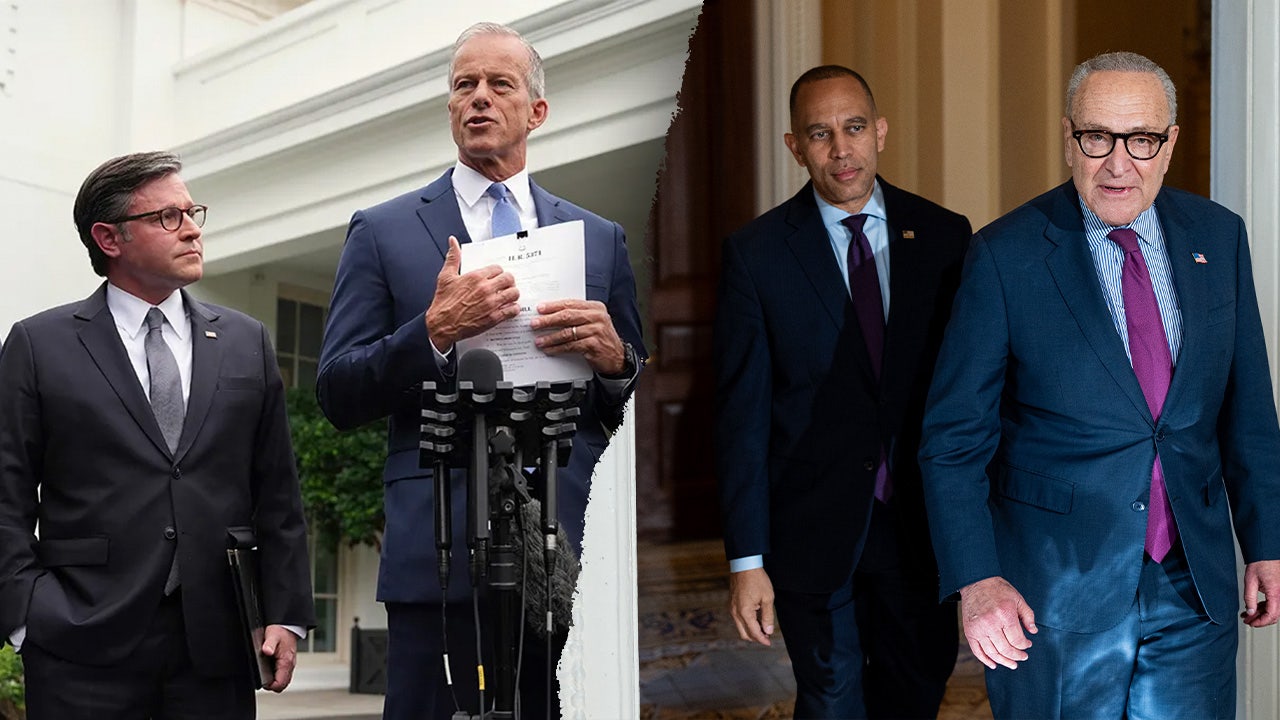
Republicans and Democrats are already lining up their excuses before the ballots are even counted, and that tells you plenty about how nervous Washington feels right now. The fight is not just about winning seats. It is also about who gets blamed if the night goes sideways, and in this business, blame can travel faster than votes.
Political strategists are often brilliant, sharp-edged people who know how to read a map, a poll, and a room full of nervous donors. They also tend to turn on each other fast when things start to break. Intraparty anger can be far more vicious than the usual partisan brawling, because it comes with job security, lost clients, and bruised egos all wrapped together.
That is why the weeks before an election are often a second campaign of their own. One side is trying to win votes, while the other is already trying to shape the story of why the vote went wrong. Reporters hear the whispers early, and those whispers are rarely about confidence.
For Republicans, the simplest explanation if things collapse points straight at Donald Trump. He remains the center of gravity for the party, which means his popularity, discipline, and political style all become fair game when results turn sour. If voters reject the ticket, the criticism will not stop at candidates or consultants. It will spread to the larger Trump brand, including his policy choices, his public battles, and the way he dominates everything around him.
That creates a brutal problem for the people trying to run the operation. Advisers can recommend messaging, pacing, and spending, but they cannot force Trump to stay quiet or stay on script. If the party stumbles, critics will say the team accepted a job that required managing him and then failed to do it.
Voters, meanwhile, are not grading a spreadsheet. They are reacting to their lives, their bills, and the sense that the people in charge are looking somewhere else. When families feel squeezed, they do not want to hear about flashy future plans if their grocery total keeps climbing and their bills keep landing like punches.
That is where the Democrats see their opening. If the political mood stays sour, they do not need a long runway to make their case. They can lean on frustration, high prices, and the feeling that Republicans are tied to a president whose attention is scattered across too many fights, too many projects, and too much self-inflicted drama.
There is also the issue of foreign conflict, which only adds to the pressure. A war that drags on and nudges energy costs higher is a headache no party wants heading into an election. Republicans campaigned on stability and strength, so any sense of drift or entanglement lands hard.
Congressional Republicans are not immune from the heat either. House and Senate leaders will be pressed on whether they delivered enough that voters could actually feel in their daily lives. Big legislative wins are nice, but if they are hard to explain in plain English, they can vanish fast under campaign noise.
The money race will not save anyone from the blame game. Republicans may have the cash edge in some places, but money is not the same thing as a message. Ads that feel stale, late, or recycled can backfire, and once that happens, the fight instantly turns into a referendum on who approved the script and who failed to see the disaster coming.
Democrats have their own trap waiting if the results are smaller than expected. If they fail to turn a favorable environment into a bigger win, the knives come out inside their own coalition. Moderates will blame progressives, progressives will blame moderates, and leadership will get squeezed from both sides.
That is the ugly beauty of politics at this level. Every campaign builds its own excuse machine long before Election Day, and every faction has a ready-made villain. By the time the results hit, the blame will already be polished, packaged, and waiting for a microphone.

1 Comment
Blame these
Non voters
RNC DC Estd
DC Estd
Rerun 2020 election games
Media
Academia IF any for Loss
Bad polling
rigged polling