
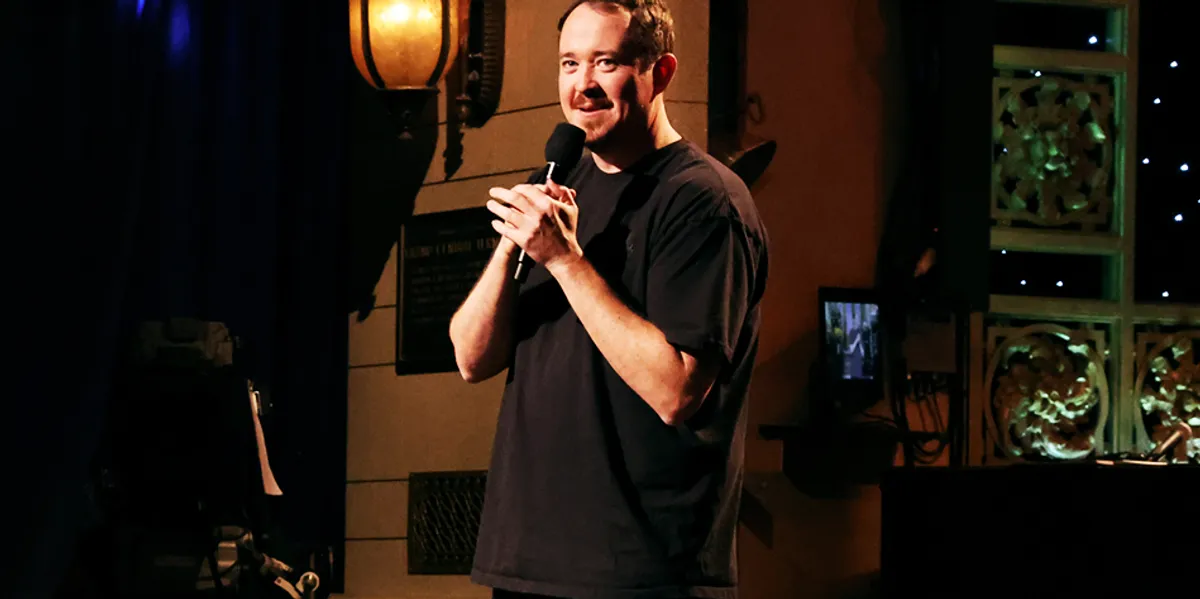
Shane Gillis walked into the Saturday Night Live spotlight with the kind of confidence that makes a room stop moving. His monologue landed hard with viewers, turning criticism into fuel and giving the internet exactly the sort of clip it loves to pass around.
The reaction was immediate and loud. For a performer who has spent plenty of time under a microscope, the moment showed something more interesting than a clean comeback. It showed how fast an audience can flip when the delivery is sharp, the timing is right, and the joke hits a nerve in the best possible way.
What made the appearance pop was the contrast. Gillis has long carried the baggage of controversy, but the monologue leaned into that tension instead of shrinking from it. That kind of move can either collapse on contact or turn into a genuine breakout moment, and in this case it clearly found traction.
Part of the appeal is that Gillis does not play the polished late-night game. His style feels blunt, loose, and intentionally unfiltered, which gives his comedy an edge that stands out in a crowded field. When a comic leans into that voice on a stage as huge as SNL, the result can feel a little dangerous, and that is exactly why people pay attention.
The viral response also says a lot about the current comedy landscape. Audiences are quick to reward anything that feels less manufactured and more alive, even if it comes with rough edges. In an era where so much entertainment gets sanded down before it ever reaches the public, a monologue that feels spontaneous can hit like a jolt.
There was also a clear sense that the crowd knew it was watching a turning point. Comedy careers can change in a single night, especially when a performer walks into a high-pressure setting and leaves with the audience on his side. Gillis did not just survive the moment, he made it look like the pressure sharpened him.
That is what made the chatter spread so quickly beyond the studio. Clips moved fast, reactions piled up, and the usual online factions did what they always do, arguing over whether the performance was brilliant, reckless, or both at once. The noise only added to the energy, because controversy and comedy have always had a messy but effective relationship.
Ryan Gosling’s presence in the broader entertainment conversation only added to the buzz around the show’s latest attention-grabber. Still, Gillis ended up being the name people kept repeating, because the monologue had the kind of bite that outlasts a standard celebrity appearance. It had rhythm, attitude, and enough swagger to keep people replaying it long after the live broadcast ended.
Moments like this are why live comedy still matters. A taped sketch can be polished to the bone, but a monologue lives or dies by nerve, pace, and personality, and Gillis brought all three. The result was a stretch of television that felt messy in the right way, the kind of thing that gets clipped, debated, and remembered because it refused to behave politely.
