
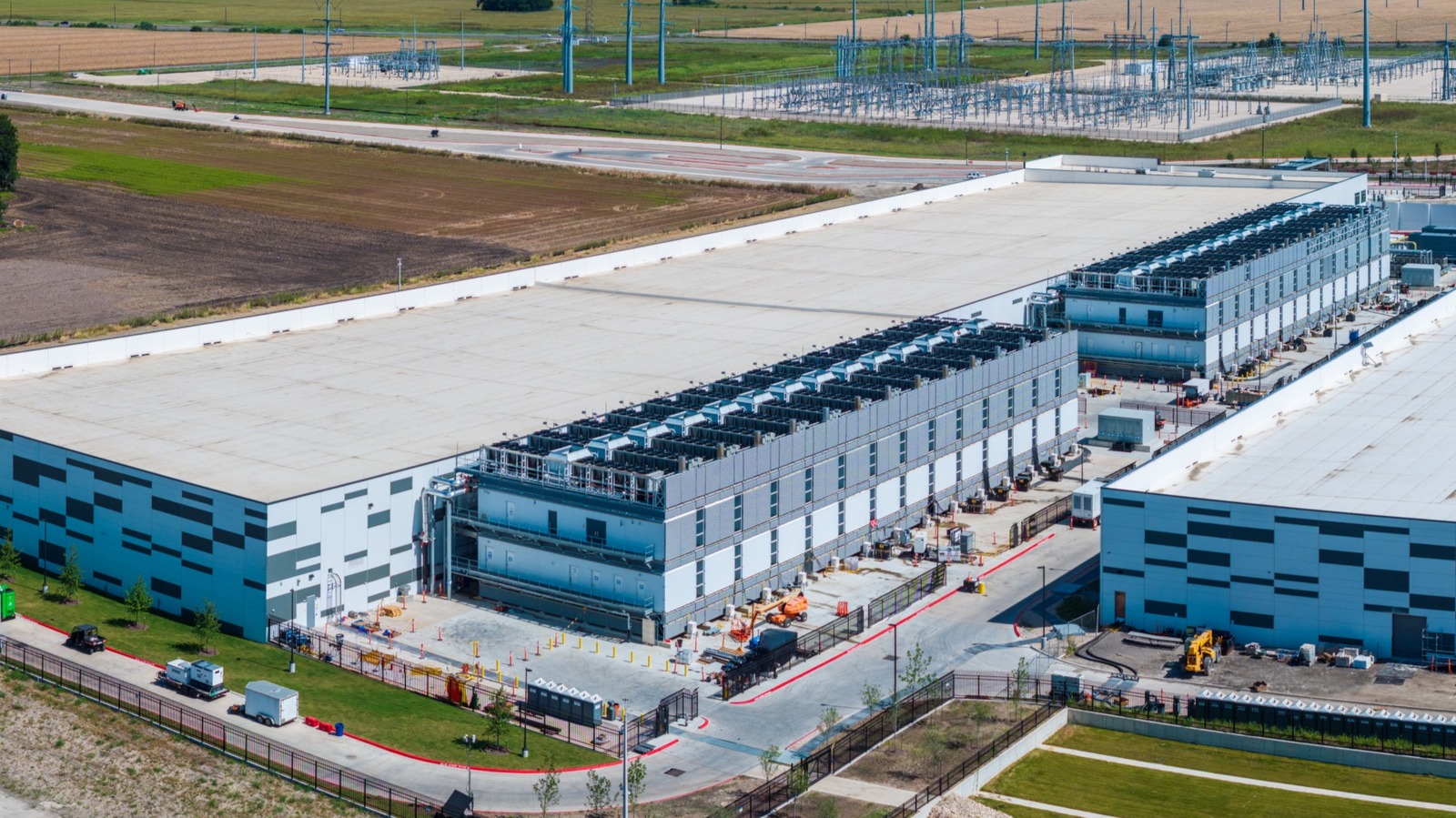
Data centers are putting real pressure on the electric grid, and that pressure is only getting louder as AI keeps spreading. A new kind of transformer is being pitched as one way to keep up, with smarter power handling and a smaller footprint than the old-school gear utilities have relied on for decades.
For years, electricity demand in the U.S. barely budged, which made grid planning feel almost routine. Then AI and large-scale computing changed the game fast, turning data centers into major power users and forcing utilities to rethink what the system can handle.
By 2023, data centers were already using a noticeable slice of U.S. electricity, and that share is expected to climb sharply by 2030. The problem is not just making more power. That power still has to move through a grid built for a very different era, and the equipment needed to expand it is slow to arrive and increasingly expensive.
That is where Hyosung Heavy Industries wants to make its mark. The South Korean company has developed what it describes as the world’s first 22.9-kilovolt solid-state transformer, a design built to connect directly to urban distribution networks and manage electricity in a far more flexible way.
A conventional transformer leans on heavy electromagnetic parts to move and regulate power. It gets the job done, but it is bulky, rigid, and not exactly built for quick changes in demand. Solid-state transformers take a different route, using semiconductors and digital controls instead, which makes them lighter and easier to manage.
That digital approach also gives operators more control over how electricity flows. A solid-state transformer can handle AC and DC conversion, which matters more now because modern energy systems are becoming messier, faster, and more interconnected. It is the kind of upgrade that feels tailor-made for a world where power demands can spike without much warning.
Hyosung’s version is part of a broader push to make transformers smarter and more responsive. The company sees strong overlap with other modern transformer projects aimed at dealing with today’s grid headaches, especially the ones created by AI-heavy infrastructure. The common thread is simple enough: old equipment is struggling to keep pace, and the pressure is not going away.
To support that bet, Hyosung has poured about $300 million into expanding its Memphis, Tennessee, facility. The plan is to turn it into one of the biggest ultra-high-voltage transformer production sites in the country, which is a pretty bold signal that the company thinks demand for these systems is about to surge.
Still, the real test is not the press release. Conventional transformers have earned trust over decades because they are rugged and reliable, and any new technology has to prove it can match that staying power while doing more. If solid-state transformers can hold up at scale, they could become a useful tool for keeping data centers online without pushing the grid even harder off balance.
