
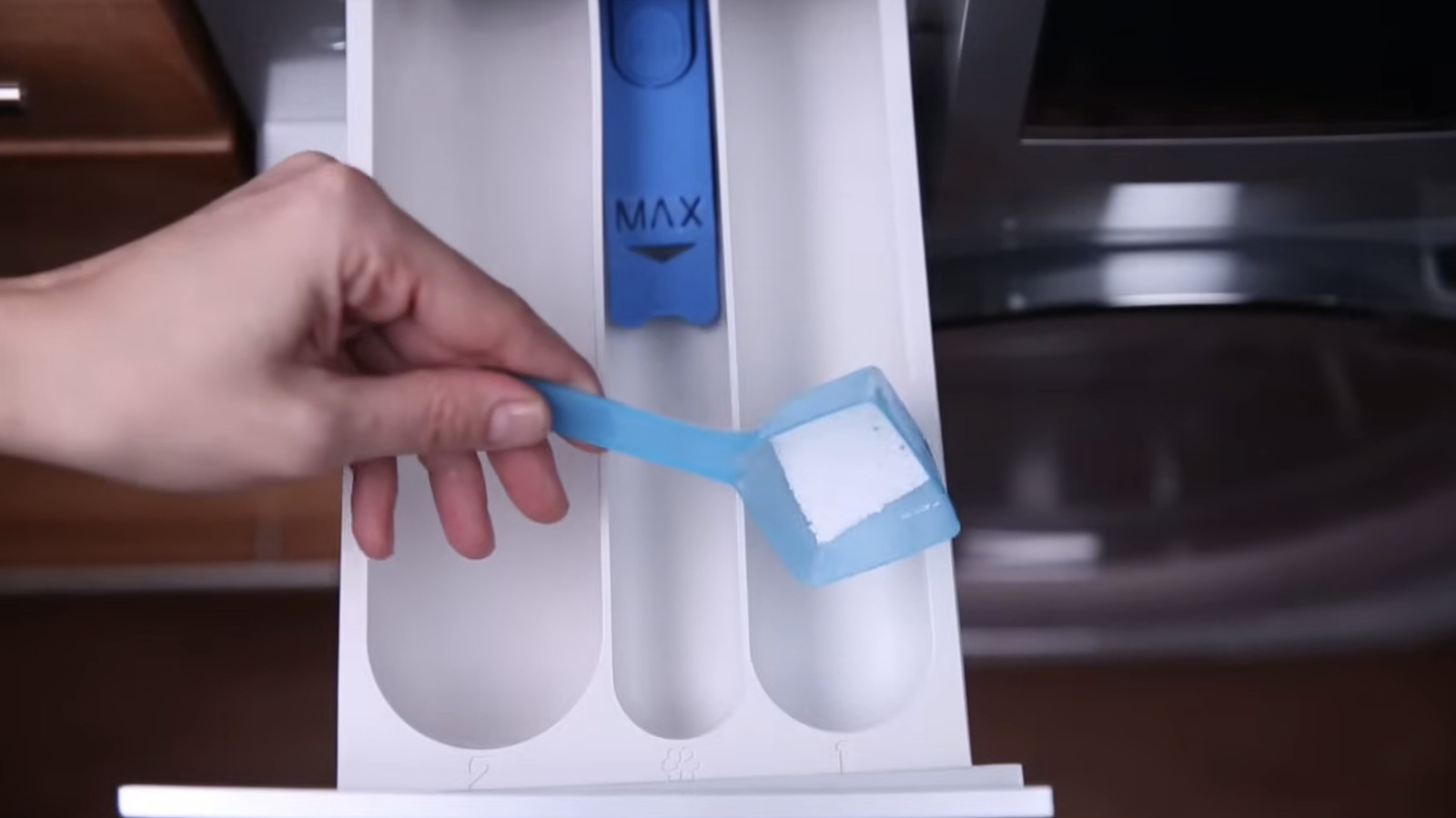
- Washing machine drawer compartments and why they are divided
- Main detergent slot and how it handles liquid or powder
- Prewash compartment and when it matters
- Fabric softener slot and its final-rinse role
- Bleach compartment and how it differs from color-safe bleach
- Why using the right slot keeps cycles working properly
Washing machine drawers can look confusing at first glance, but each little compartment has a clear job. The whole setup is designed so laundry additives enter the drum at the right point in the cycle, not all at once. That timing matters more than most people realize, because the wrong product in the wrong slot can throw off the wash.
In many front-loaders, the biggest compartment is the main detergent slot. It is usually marked with a Roman numeral II or left plain, and it handles the everyday soap that powers the main wash. Powder detergent waits in place until water flushes it through, while liquid detergent may need a removable cup so it does not drain too quickly.
A smaller compartment, often marked I, is usually reserved for prewash detergent. This is the slot that comes into play when clothes are especially dirty and need a first round before the main cycle starts. It is not something every load needs, but for heavy soil it gives the machine an extra cleaning pass before the regular wash begins.
That prewash option is not found on every machine, especially in many U.S. homes. When it does exist, it is meant for stubborn grime, muddy clothes, work uniforms, or anything that needs a little extra attention. The compartment sits there quietly most of the time, but when used correctly it can make a real difference in how clean the load comes out.
Fabric softener usually gets its own section too, and it tends to be the one with a flower icon. This slot is designed for the final rinse, which is why the machine holds the softener back instead of dumping it in early. If it sits too long before a cycle starts, it can clog the drain path and create a mess the washer does not need.
That softener timing is part of what makes the drawer so useful. Instead of relying on guesswork, the washer releases the product exactly when it is supposed to reach the clothes. The result is less buildup, less waste, and a better shot at getting the intended fabric feel without interfering with the rest of the wash.
The bleach compartment is the one that should be treated with the most care. It is meant for liquid chlorine bleach in many machines, while some models place it in a different spot, including the front left corner on certain top-loaders. Because bleach is strong, that dedicated slot helps control when it enters the drum and keeps it from hitting fabrics too early.
There is also a difference between regular chlorine bleach and color-safe bleach. Color-safe versions often go into the main wash compartment instead of the bleach slot, depending on the machine and the product directions. That distinction matters, because the drawer is built around how each additive should behave once the cycle starts moving.
Some machines keep things simple with three compartments, while others add a fourth for more flexibility. The layout can vary by brand, but the logic stays the same: detergent for the main wash, prewash only when needed, softener for the final rinse, and bleach in its own lane. Once the slots are understood, the drawer stops looking mysterious and starts looking pretty practical.
