
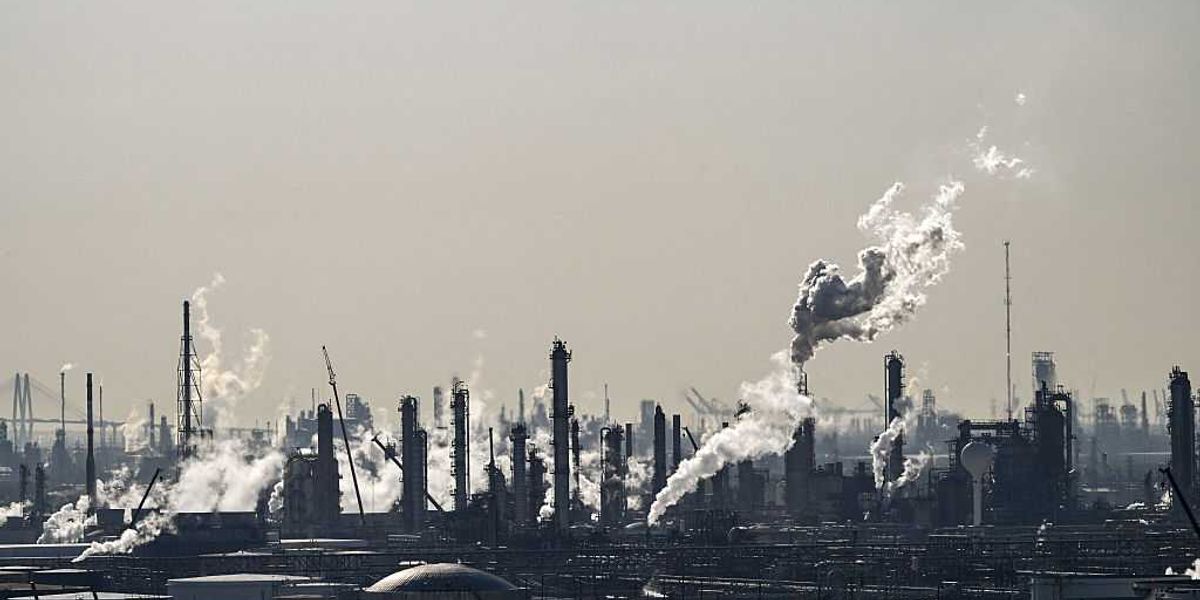
The Gulf has long been one of the country’s most important energy engines, and that role only looks bigger when prices jump and supply gets tight. Offshore production, deepwater ports, and the entire network around them help steady the market when other regions are under strain. That matters not just for oil companies, but for households, drivers, and businesses that feel every swing at the pump.
The reason the Gulf matters so much is simple: scale and access. Crude oil flowing out of offshore fields can move through deepwater infrastructure that is built for heavy volume, then reach refineries and distribution routes that keep fuel available across the country. When the system works well, it acts like a shock absorber, softening the blow from global disruptions and keeping domestic supplies from getting pinned down.
That does not mean the Gulf is just about oil, though oil remains the backbone. Electricity demand keeps rising, and energy policy has to account for everything from power generation to industrial use to the strain that comes from rapid growth in places like Florida and along the Gulf Coast. A region that can support both traditional fuels and a broader energy mix ends up carrying more weight for the whole country.
Offshore production is often criticized as if it exists in a vacuum, but the real picture is more practical. It supports jobs, shipping, manufacturing, and the tax base that funds public needs. It also gives the country another layer of resilience, which is exactly what people want when gas prices spike and uncertainty starts rippling through the economy.
Environmental protection is part of the conversation too, and it should be. No serious approach to energy ignores the need for cleaner practices, safer operations, and careful oversight of sensitive coastal areas. But treating offshore energy like an enemy instead of a managed resource can leave the country more exposed, especially when demand does not take a break just because policy debates get louder.
Florida sits right in the middle of that tension, balancing growth, tourism, weather risk, and enormous power needs. A strong Gulf energy system helps support the state’s economy while also reinforcing the broader grid and fuel network that millions depend on. That connection is easy to miss until a storm, shortage, or price shock reminds everyone how intertwined the system really is.
Renewable energy is part of the future, and solar panels have a real place in that picture. Still, a realistic energy policy does not pretend the transition happens overnight or that renewables can instantly replace the scale of existing supply. The smartest path is usually the one that keeps the lights on, keeps fuel moving, and keeps pressure off families while new sources continue to grow.
Infrastructure is where all of this comes together. Pipelines, ports, refineries, power lines, and storage facilities do not get much glamour, but they decide whether energy is reliable or brittle. The Gulf’s network is valuable because it already connects production to consumption in a way that supports the whole country, and that kind of backbone is hard to replace once it is weakened.
Energy policy often gets trapped in slogans, but the real world is less tidy. The country needs enough supply to keep prices from running wild, enough investment to keep aging systems from breaking, and enough flexibility to handle both today’s needs and tomorrow’s changes. The Gulf remains central to that equation, and as demand grows, its role only becomes harder to ignore.
