
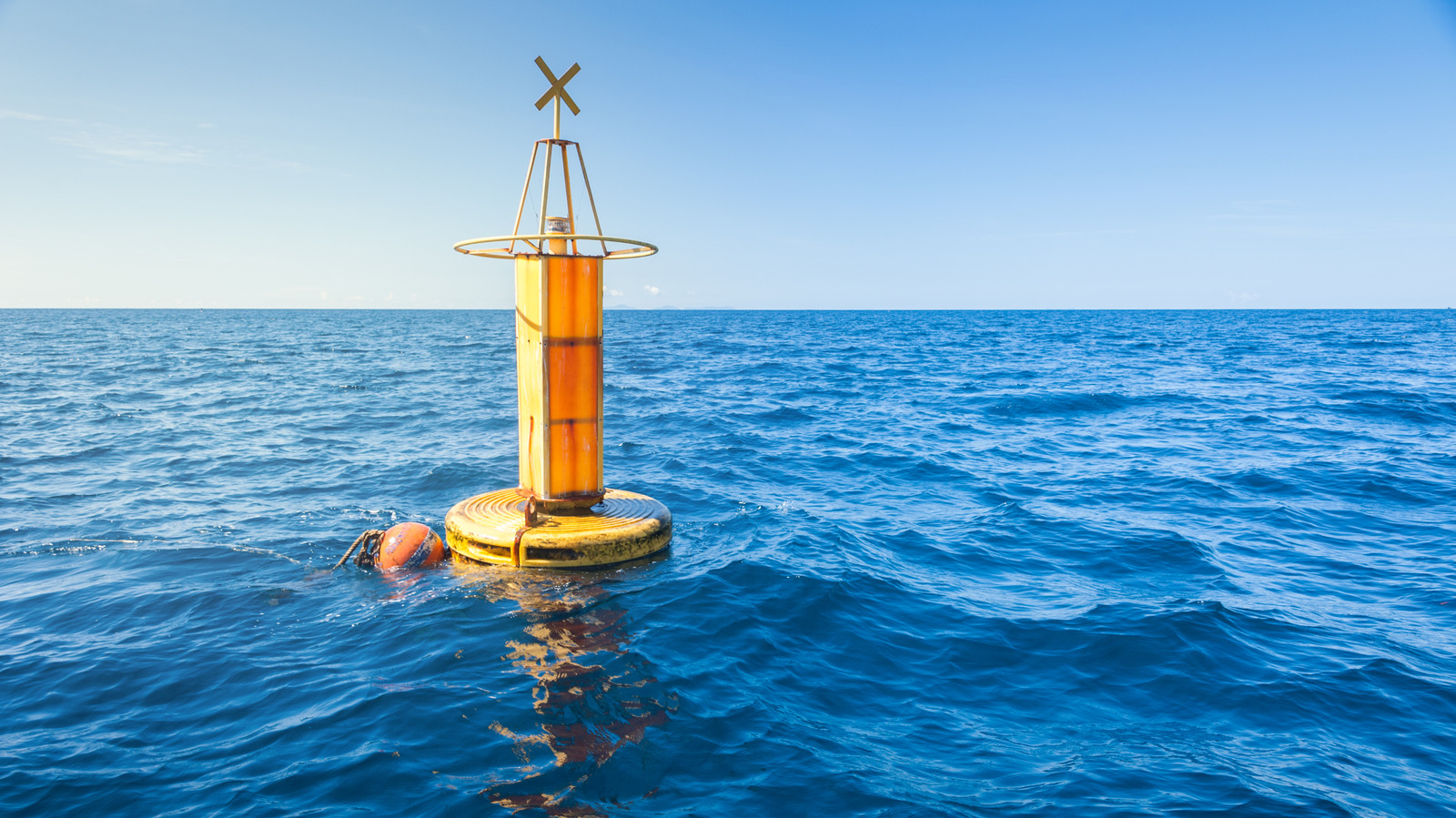
Ocean buoys can look simple from the surface, but keeping one locked in place in deep water takes real engineering. Anchors, cabling, weights, and buoyancy all have to work together while the sea throws in current, wave action, salt corrosion, and constant motion. The result is a carefully balanced setup that keeps the buoy where it belongs without snapping under pressure.
Buoys come in a lot of forms, and not all of them are meant to drift freely. Some mark navigation zones, some protect sensitive marine areas, and some serve as mooring points so boats can tie up without dropping a damaging anchor. In places like marine sanctuaries, that difference matters because one bad anchor can tear up fragile habitat in a hurry.
When a buoy only needs to hold position in shallower water, it can be secured with anchors or fixed hardware driven into the seabed. That can mean divers drilling or fastening steel pins, U-bolts, and other hardware into rock or sediment. It is physical, direct, and effective, but once the water gets much deeper, that approach becomes much harder to pull off.
In deep water, the ocean floor is simply too far down for the easy fixes. Instead, heavy anchor weights sit on the bottom and are connected to the buoy by long lengths of line or cable. Those weights provide the downward force needed to keep the whole system from wandering off with the current.
That setup sounds straightforward until the sea starts pushing back. Currents tug at the line, waves whip the surface, and salt water slowly eats away at metal and fittings, while marine growth can add extra drag and weight over time. Even the cleanest design has to account for the messy reality of the ocean.
The trick is balance. If the line is pulled too tight, stress builds fast and failure becomes a real risk when storms hit or the water gets rough. Engineers have to leave enough give in the system so it can absorb shock without letting the buoy roam too far from its spot.
Too much slack creates a different headache, though. A line that just hangs there can sag under its own weight and strain the mooring in ways that are easy to underestimate, especially over long depths. The whole assembly needs tension, support, and flexibility all at once, which is why deep-water moorings get so much design attention.
Materials matter just as much as the layout. Steel, nylon, and Kevlar can all play a role, depending on the job, but none of them works well in isolation. The real answer often comes from combining components in a system that spreads force around instead of letting one piece take the full hit.
That is where more advanced S-shaped moorings come in. By mixing floats and weights along the line, the setup can soften sudden pulls from waves and surface movement before they reach the anchor below. It is a smart bit of engineering that helps a buoy stay steady in a place that is anything but steady.
