
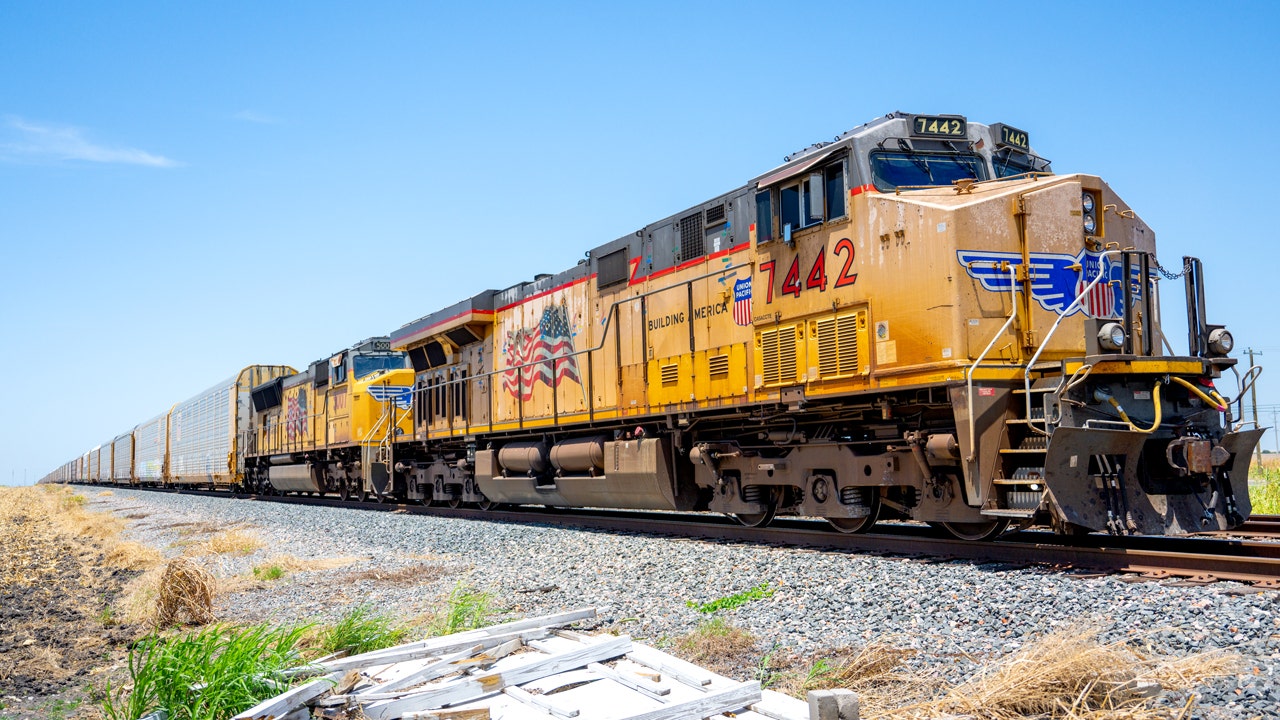
Union Pacific is pressing hard for a massive rail deal with Norfolk Southern, and the pitch is simple: build the first coast-to-coast freight railroad in the United States and make the whole network move faster. Supporters say the combination could cut delays, boost efficiency, and give freight rail a stronger shot at competing with trucking. But the idea is also stirring up serious pushback from labor groups, farm interests, and rivals who say the risks are too big to shrug off.
The proposed $85 billion merger would link two giants into one system stretching roughly 50,000 miles across almost every state. That kind of reach would be historic for American rail, and Union Pacific CEO Jim Vena is arguing that bigger could mean better for customers and for the country. The deal still needs approval from the Surface Transportation Board, the federal agency that oversees the industry, and that review is expected to be anything but quick.
Vena is betting regulators will see the merger as a net win. He says the process may drag on, but the final call should favor expansion, not hesitation, and he has framed the deal as a way to open more doors rather than lock the industry into old patterns. The message is blunt: freight rail should be looking forward, not clinging to the way things have always been done.
The companies are making a hard efficiency case. Right now, shipments moving from one coast to the other can get slowed down by interchange handoffs, and that kind of friction can chew up valuable time. Union Pacific says combining the two railroads could shave 24 to 48 hours off some trips, which matters in a business where every hour can ripple through costs, delivery schedules, and customer demand.
There is also a bigger competitive angle here. Union Pacific and Norfolk Southern say a merged network would help rail take more business from trucking, while delivering lower prices, more jobs, and smoother service. In their view, the rail industry needs scale to stay relevant, and a transcontinental system could bring that scale in a way neither company can reach alone.
Opponents are not buying the sales pitch. Some labor unions, farm organizations, and competing rail interests warn that one company controlling so much of the nation’s freight traffic could create real bottlenecks and less healthy competition. They argue that when too much power lands in one place, the people who ship goods and the workers who keep the rails running can end up paying the price.
That criticism has been spelled out in stark terms by the Stop the Rail Merger Coalition, which warned that the deal could hit farmers, manufacturers, energy producers, and railroad workers while lifting costs for consumers. The concern is not just about size, but about what happens when a system this central becomes harder to challenge or replace. For opponents, this is not a shiny modernization story, it is a concentration-of-power story.
Union Pacific is trying to soften the labor backlash by promising all unionized employees at the time the deal closes that they will have a job for life. That pledge is meant to calm fears of mass displacement, though workers still face the reality that their day-to-day roles could shift if the merger goes through. A Chicago-area conductor said the job might change a bit, but the promise at least removes the fear of being tossed out altogether.
President Donald Trump initially signaled support for the merger, giving the deal a political tailwind, but the final decision still sits with the Surface Transportation Board. Vena says he is highly confident approval will come through, though not without a little uncertainty, and that confidence is part conviction and part pressure campaign. For now, the rails, the regulators, and the critics are all staring at the same question: whether one giant coast-to-coast network will finally get the green light or hit a wall first.
