
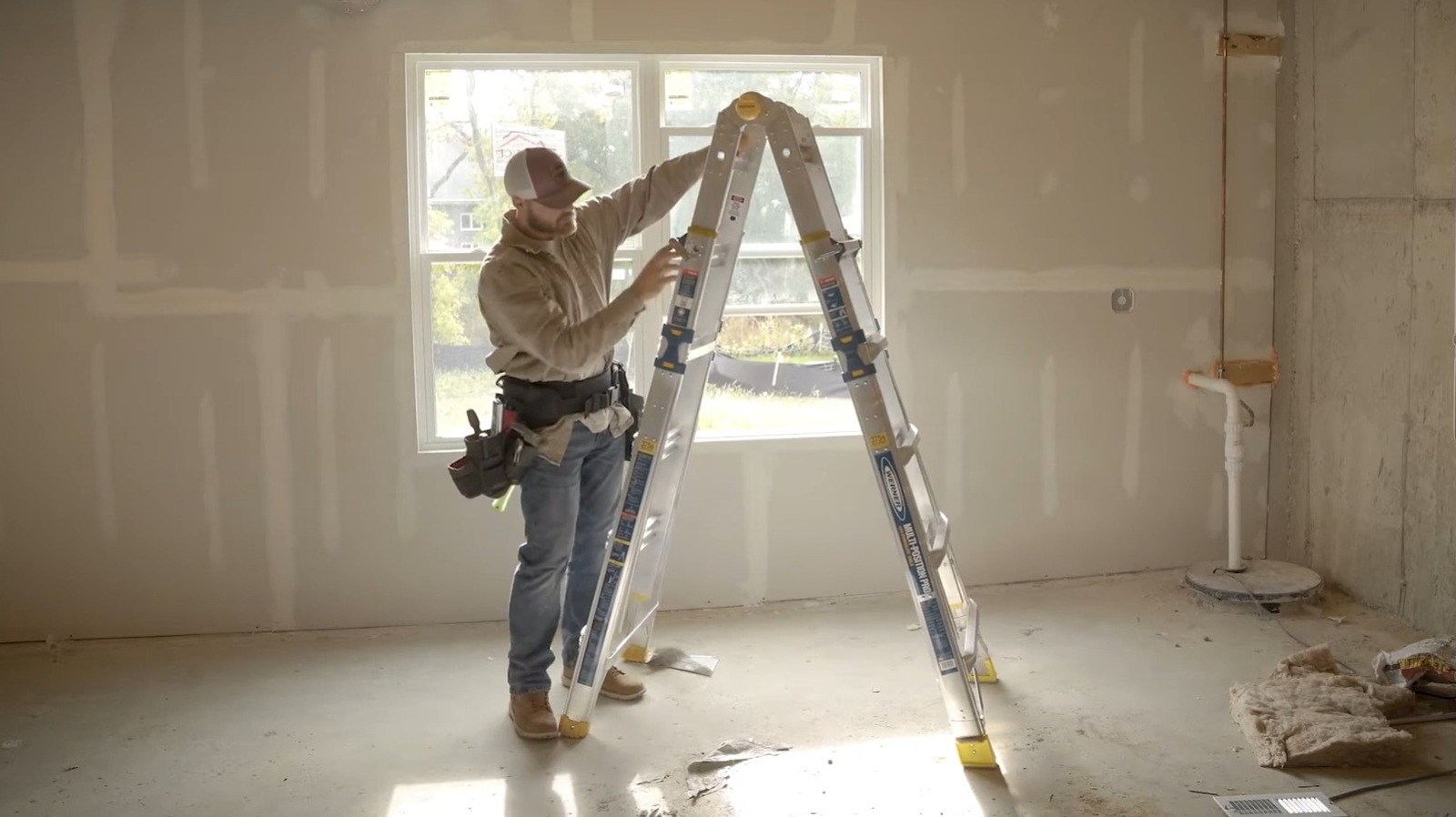
Werner has become one of the biggest names in ladders because it blends wide availability, steady brand recognition, and a long history of product changes aimed at safer use. The company behind the name has gone through ownership shifts, a corporate rebrand, and a manufacturing footprint that now stretches beyond the United States. Even with all that movement, the Werner label still shows up where buyers expect it, from big-box stores to jobsite trailers.
Today, the company sits under ProDriven Global Brands, a name created after WernerCo moved into a broader corporate structure backed by investment funds advised by Triton. The rebrand did not wipe out the familiar Werner identity, which is still front and center on the ladders most shoppers recognize. ProDriven also includes other brands in the hardware space, while its headquarters in Itasca, Illinois and its warehouse network help keep the business spread across multiple regions.
That reach matters because Werner products are no longer tied to one simple production line. U.S. buyers can end up with ladders made in places such as Mexico and China, reflecting how modern manufacturing is often spread across borders. A Louisville, Kentucky plant once played a major role, but it closed in 2019 after what company leadership described as “business pressures.”
The company’s origins go back much further than the current corporate setup. R.D. Werner founded the business in 1922, and the early focus was not even ladders, but flooring. Over time, the company shifted into ladder production and built a reputation around sturdier designs, fiberglass models, and features meant to make work at height feel a little less nerve-racking.
Werner’s growth was also a family story for a long stretch. The Werner family ran the business for three generations, and that brought a pretty strict work culture with it. According to Bruce Werner, the family had three rules for anyone joining the company: it could not be your first job, you had to start at the bottom, and you could not work directly under a parent.
Those family years eventually gave way to a major sale in the late 1990s, when the third generation sold the company for $400 million to Investcorp. The next chapter was rougher, with bankruptcy following in 2006 and assets being sold off before the business was restructured with a sharper focus on cutting costs and trimming debt. By 2017, Triton Partners had taken over, setting the stage for the ProDriven name that followed later.
Even with all those changes, the ladder lineup itself kept pushing forward. Werner has leaned into designs that improve stability and convenience, including extension ladders, multi-position ladders, and telescoping models. Features like automatic leveling systems, assisted-lift mechanisms, and stronger rung connections show how the brand has tried to keep one foot in old-school reliability and the other in practical innovation.
That mix of history and modern production explains why Werner still carries so much weight with shoppers and contractors. The name is familiar, the catalog is broad, and the company’s reach now stretches well beyond the original American family business. For anyone scanning the ladder aisle, it is still easy to see why Werner keeps showing up as one of the first names people trust.
