
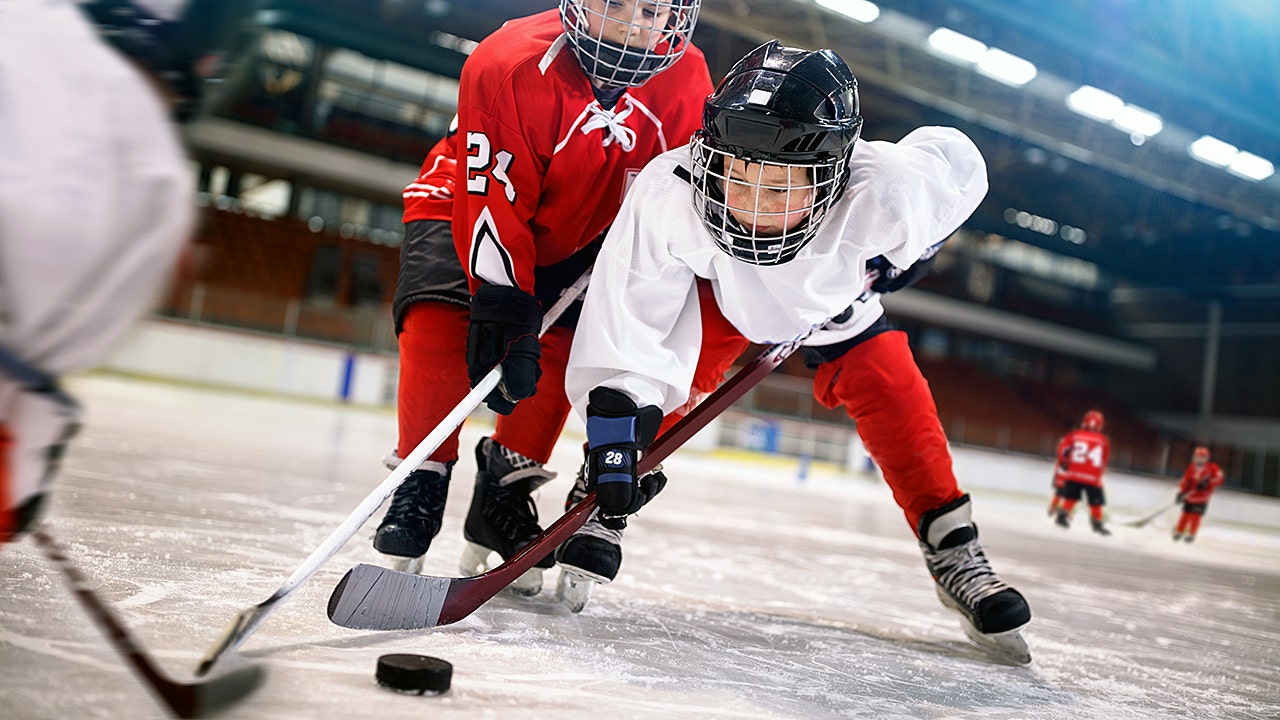
Youth sports can turn into a race nobody asked for, with packed calendars, constant drills, and adults acting like every game is a stepping stone to stardom. That mindset looks productive on the surface, but it can wear kids down, raise the odds of injury, and drain the fun right out of the experience.
Fall seasons now arrive with a flood of practices, private lessons, and travel weekends before many families have even settled into school routines. Parents usually mean well, since they want their kids to thrive and keep every door open, but good intentions do not always lead to good outcomes.
The problem starts when youth sports stop being about growth and start being treated like a pressure cooker. Too many kids are nudged toward early specialization, endless repetition, and year-round competition long before their bodies are ready for that load.
Children are still developing, and that matters more than many adults want to admit. Bones, muscles, tendons, and movement patterns are changing at different speeds, and puberty can temporarily throw off coordination while also making certain areas more vulnerable to overuse.
That is why the adult habit of piling on more games, more reps, and more competition can backfire fast. Growing athletes need recovery baked into the process, not treated like a luxury after everything else is done.
The injury side of this is not abstract. In the clinic and the operating room, the toll shows up in real kids with real setbacks, especially in sports that place heavy stress on the knees and demand year-round repetition.
One example is the ACL. A single tear can sideline a young athlete, but the bigger issue is what comes after, since that kind of injury can lead to early arthritis, long-term pain, and a shorter window for staying active with confidence.
That is where the idea of “playspan” comes in, and it is a useful way to look at the issue. The goal should not be to squeeze every ounce out of a child by age 14, but to help that child keep moving, playing, and enjoying sports for decades.
Burnout can be just as damaging as a physical injury, and sometimes it lasts even longer. When sports become nothing but pressure, kids stop associating movement with joy, and many never fully come back to it as adults.
Other countries have chosen a much smarter path. Norway, for example, leans on a simple guiding idea: “As many as possible, for as long as possible and as good as possible.”
That approach sounds almost too plain, but it works because it values participation over obsession. Kids are encouraged to sample different sports, stay close to home, and develop at their own pace instead of being locked into one narrow track too early.
There is a big difference between building strong athletes and burning kids out in the chase for trophies. A broad sports foundation teaches balance, footwork, speed, throwing, and coordination, which can pay off later even if a child never becomes a headline star.
And the payoff is bigger than medals or scholarships. Children who stay in sports longer are more likely to become adults who keep moving, keep competing in some form, and keep the benefits of activity alive in everyday life.
That matters because the real win is not a 10-year-old’s trophy case. The real win is a teenager who still wants to play, a college student who still enjoys pickup games, and a grown-up who still sees exercise as something worth doing.
There is also a cultural reset hiding in plain sight. The healthiest youth sports setup would leave space for rest, multiple sports, and plain old play, because kids need room to grow into their bodies instead of being pushed to outrun them.
Some children will go on to earn scholarships or even play professionally, and that is great. But the true measure of a youth sports system is whether it produces lifelong athletes, not just exhausted kids who quit before they ever had a chance to love the game.
