
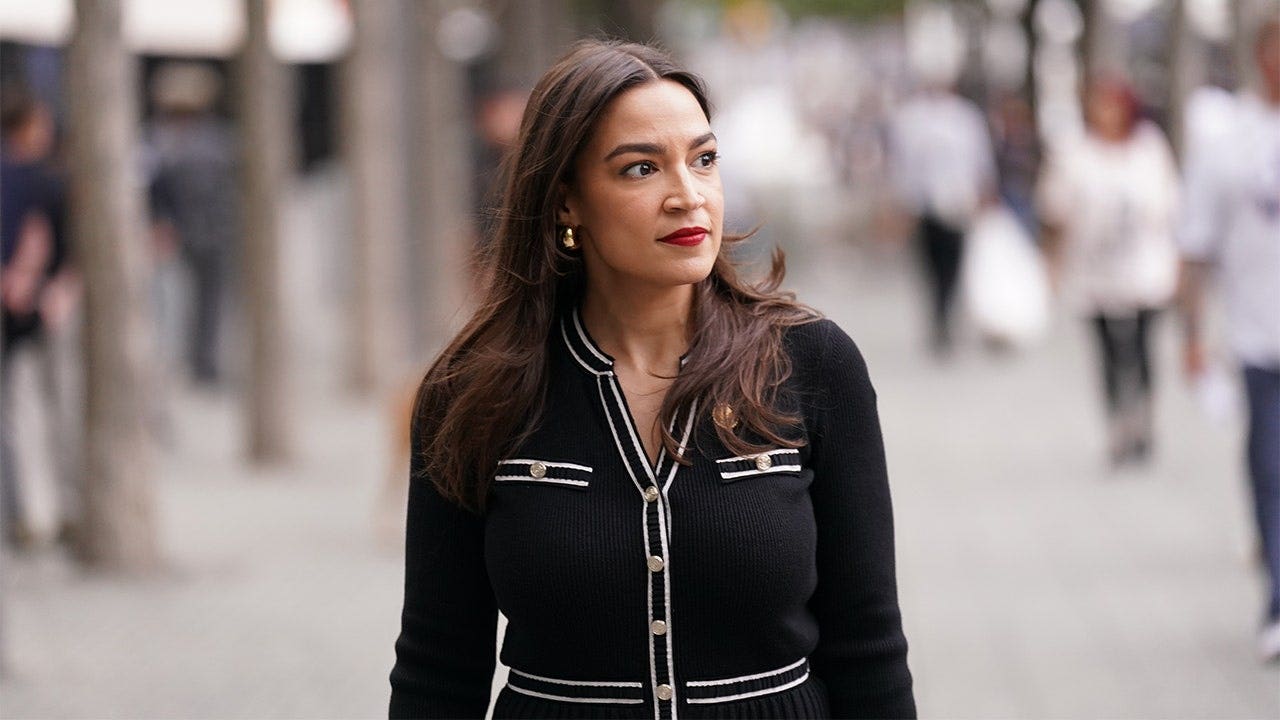
At the center of the Cornell case is a sharp clash between public rhetoric, legal filings, and what the university says it actually did. Alexandria Ocasio-Cortez described the allegations in sweeping, graphic terms during a town hall in Ithaca, while Cornell pushed back on key parts of that account. The result is a story that has become about more than one complaint, stretching into campus discipline, prosecutorial review, and the politics of how sexual assault claims are described in public.
Ocasio-Cortez addressed the case during a More Perfect University event and used language that went well beyond the civil complaint’s wording. She said, “Seven men drugged and gang raped a 20-year-old woman,” then added, “They lured her in to a fraternity house,” followed by, “They drugged her with ketamine. They then posted to a group chat that she was incapacitated, and seven men took turns gang raping her for seven hours.”
She also accused elite institutions of shielding abuse, saying, “Their fraternity knew. This was reported to Cornell University. And after looking into this matter, they expelled two of them and made the rest write essays as their form of punishment,” and then, “I want to be clear that the culture of rape, sexual assault, and pedophilia is protected in elite institutions across the United States and including Cornell University in this instance. It has got to stop.”
Cornell says that portrayal is not accurate. The university disputes the idea that essays were the only consequence and says the discipline included expulsions and suspensions, with the Chi Phi chapter shut down and kept off campus. It also argues that claiming the punishments were minor undercuts what the school actually imposed.
The civil complaint at the center of all this tells a detailed and disturbing story of its own. Filed by a former student identified as Jane Doe, it alleges she was drugged and sexually assaulted by multiple fraternity members after arriving at the house intoxicated, and that she was pressured into taking ketamine before further sexual acts occurred without her consent.
The complaint also says one fraternity member posted a sexually explicit message about her in a group Snapchat chat. According to the filing, the episode ended around 5:45 a.m., and it names Cornell, fraternity-related entities, seven individual defendants, and additional defendants tied to the alleged events.
That civil filing matters because it is also where the public record starts to split from the strongest claims being repeated online and in speeches. Tompkins County District Attorney Matthew Van Houten said his office reviewed Doe’s sworn statement in November 2024 and initially found the facts were not enough to support criminal charges under New York law. He said that statement did not allege she was drugged against her will or gang raped, and described the conduct as voluntary, conscious, and consensual.
Now the case is moving again. Van Houten said the office has reopened the investigation and will revisit whether criminal charges should be filed, with a senior sex-crimes prosecutor preparing the matter for a grand jury. That means the complaint, any new testimony, and whatever evidence investigators gather next could shape what happens in court, not just in headlines.
Attorneys for the accused students are already taking a hard line. One defense lawyer said his client welcomes the renewed review and flatly denies any sexual contact with Doe, while other defense attorneys have also rejected wrongdoing. No criminal charges have been announced so far, which keeps the entire matter in a tense holding pattern.
Cornell has said it supports the reopened probe and stands by its internal investigation, which it says resulted in expulsions, suspensions, and the closure of the Chi Phi chapter. The university warned that downplaying the sanctions is misleading and said false claims about minimal consequences only make survivors feel less safe and less likely to come forward.
The case has now pulled in state power as well. New York Gov. Kathy Hochul appointed Attorney General Letitia James as special prosecutor, adding another layer of scrutiny to a file already loaded with competing accounts, legal pressure, and public outrage. Cornell, the district attorney’s office, and Ocasio-Cortez’s office are all in the mix now, and the next moves will matter a lot more than the rhetoric.
