
• Ghost plates and why they matter
• How ANPR systems are being challenged
• New camera tech using AI and infrared analysis
• What makes ghost plates hard to spot by eye
• The role of plate sellers and weaker oversight
• How similar tricks show up beyond the U.K.
Drivers trying to dodge detection have found a surprisingly simple trick: license plates that look normal to the human eye but defeat automated camera systems. That cat-and-mouse game is now getting a serious response in the U.K., where traffic enforcement relies heavily on automatic number plate recognition, or ANPR, to track vehicles across roads, cities, and checkpoints.
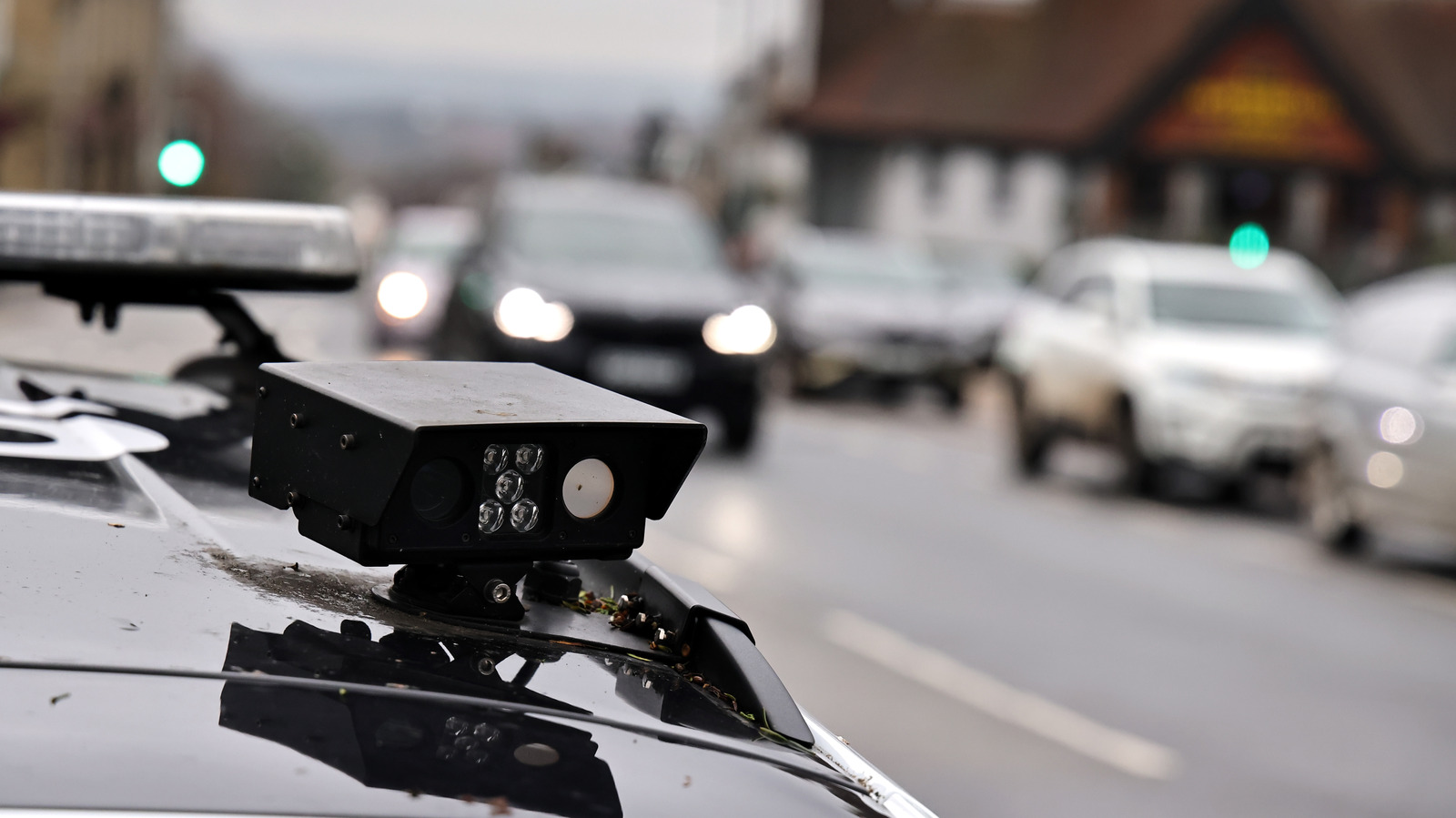
The problem is bigger than a few isolated cheats. With more than 14,000 ANPR cameras in the system, ghost plates have become a practical tool for anyone hoping to hide illegal driving, slip past enforcement, or make a vehicle harder to trace after a violation. The plates can carry the correct registration details and still blur or confuse the machines that are supposed to read them.
A ghost plate often looks ordinary from a distance, which is part of the point. The real trick is in the material, especially reflective plastic, which can throw off camera readings while leaving the plate looking believable to people on the street. That makes them frustratingly effective in everyday traffic, where a quick glance is often all a driver gets.
What makes the issue even messier is that these plates are not always coming from shady underground shops. In the U.K., license plate sellers operate under a large network of registered businesses, and some have reportedly made ghost plates easy to buy. In some cases, customers have not even needed strong proof tied to the car, which leaves a glaring hole in the system.
That gap has pushed police and enforcement agencies toward tighter rules for plate issuers. The logic is straightforward: if a plate can be purchased with little friction, then it can also be used with little fear. Once that happens at scale, camera-based enforcement starts losing the edge it is supposed to have.
This is where the newer camera tech comes in. A system developed by ANPR firm MAV Systems is designed to spot ghost plates by comparing infrared and color images, letting AI flag plates that might fool older setups. Instead of trusting a single read, the system looks for signs that something about the plate does not add up.
Early testing has reportedly been encouraging. Police in the U.K. have detected anywhere from a few hundred to a few thousand ghost plates a day in some busy areas, and some of those trials have been running for nearly two years. That kind of result suggests the technology is not just theory, but something that can actually bite into the problem on real roads.
The broader lesson is that camera enforcement keeps evolving because the cheats keep evolving too. Once one tactic gets exposed, another starts creeping in, whether that means altered plates, reflective materials, or other tricks meant to throw off the system. The fight is less about one gadget and more about staying a step ahead of people who treat rules like obstacles to dodge.
The U.K. is not alone in dealing with this stuff either. In New York City, similar ghost plate tactics have been used to dodge tolls, and other drivers have turned to plate flippers and obscuring devices to get around enforcement. It all points to the same uncomfortable truth: if a plate can be gamed, someone will try to game it, and the cameras have to keep learning fast.
