
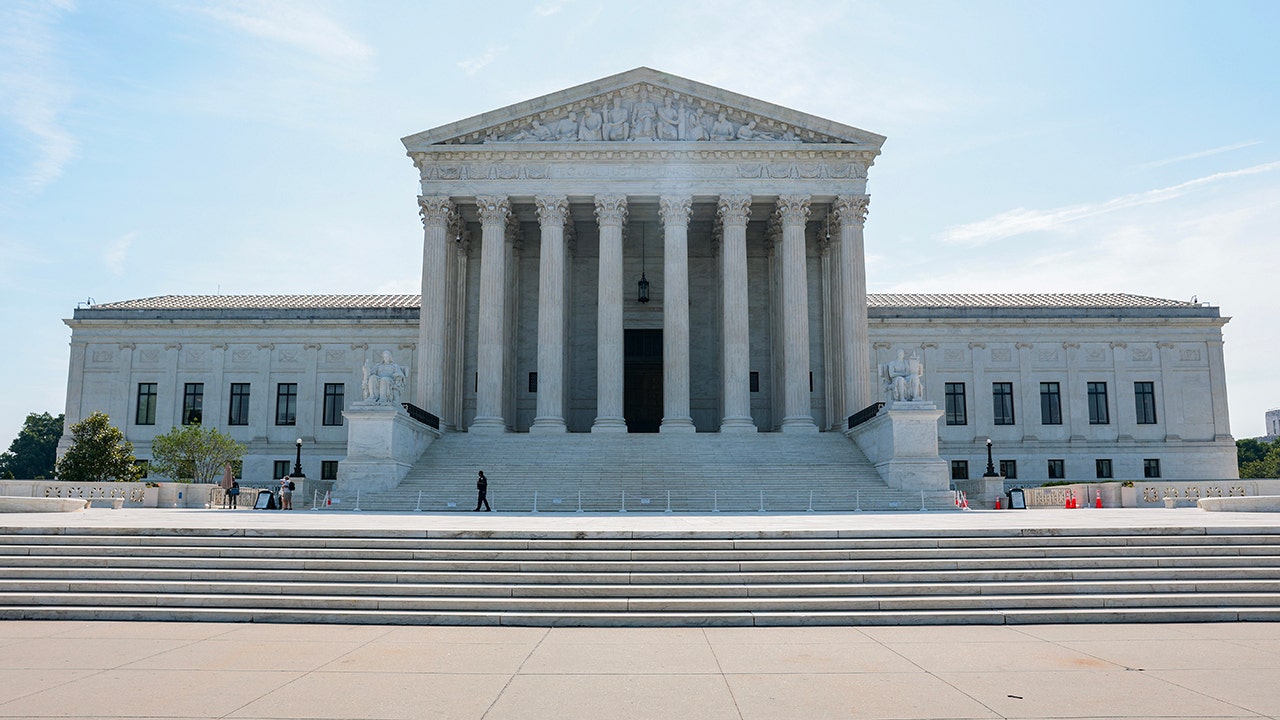
The Justice Department is pressing the Supreme Court to step in and let federal prisons enforce a new policy that bars public funding for hormone therapy and certain gender-related accommodations for transgender inmates. The fight is now sitting squarely at the high court, with the administration arguing that prison officials need room to make security and medical judgment calls without courts micromanaging every move.
At the center of the dispute is a Bureau of Prisons policy rolled out in February. It cuts off new hormone treatment for inmates who were not already receiving it and also ends surgeries aimed at changing sex traits, while barring items and requests tied to social transition, including makeup, wigs, chest binders, padding, and similar accommodations that do not match an inmate’s biological sex.
The administration says that shift is about restoring common sense inside a tough environment. In its filing, the Justice Department argued that prison officials are making a legitimate decision to prioritize mental-health care and move away from what it calls medically disputed and unproven sex-rejecting interventions.
That argument runs straight into a lower court order that forced the Bureau of Prisons to keep providing the disputed treatments and accommodations while the case moves forward. U.S. District Judge Royce Lamberth, a Reagan appointee, said officials had not given a strong enough explanation for treating gender dysphoria differently from other medical issues.
The legal clash started after inmates challenged the policy, pointing to an executive order issued at the start of Donald Trump’s second term that blocked federal money from being used for transgender-related medical procedures in prisons. The plaintiffs argued that the government was cutting off care they believed should continue, while the administration said taxpayers should not be on the hook for these treatments in the first place.
Now the Justice Department wants the Supreme Court to freeze the lower court’s ruling and let the updated prison policy take effect right away. Solicitor General D. John Sauer wrote that BOP’s approach fits squarely within reasonable decision-making, especially given the agency’s role in managing a locked-down system where discipline and order matter every day.
The filing also takes aim at the medical framework that the lower court leaned on. The judge said prison officials had not seriously addressed their prior experience working with guidelines from the World Professional Association for Transgender Health, but the Justice Department called those guidelines scientifically flawed, biased, and unreliable.
That criticism matters because the case is not just about one prison policy. It is also about who gets the last word when a federal agency says it needs flexibility to protect safety, reduce conflict, and set its own standards inside correctional facilities where close supervision is part of the job.
Earlier this month, the D.C. Circuit declined to bring the policy back while the litigation continued, leaving the administration to push its emergency request higher. That rejection kept the lower court’s order in place and added more urgency to the Supreme Court appeal.
The Justice Department is leaning hard on the idea that prison administrators deserve broad deference from judges. Sauer said the courts should respect decisions made to preserve internal order and maintain institutional security, and he argued that the lower court asked for too much proof before allowing the policy to stand.
The case has quickly become another flashpoint in the broader culture fight over gender identity, medical treatment, and the role of federal institutions. Inside the prison system, though, the stakes are immediate and practical, since every policy change can affect safety, staffing, and how officials handle inmates with sharply different medical and personal claims.
For now, the Supreme Court is being asked to decide whether the government can move ahead with its tightened rules or whether the prisons must keep offering hormone therapy and transition-related accommodations while the lawsuit works its way through the courts. The answer could shape how far federal agencies can go when they decide that security and institutional control should come first.
