
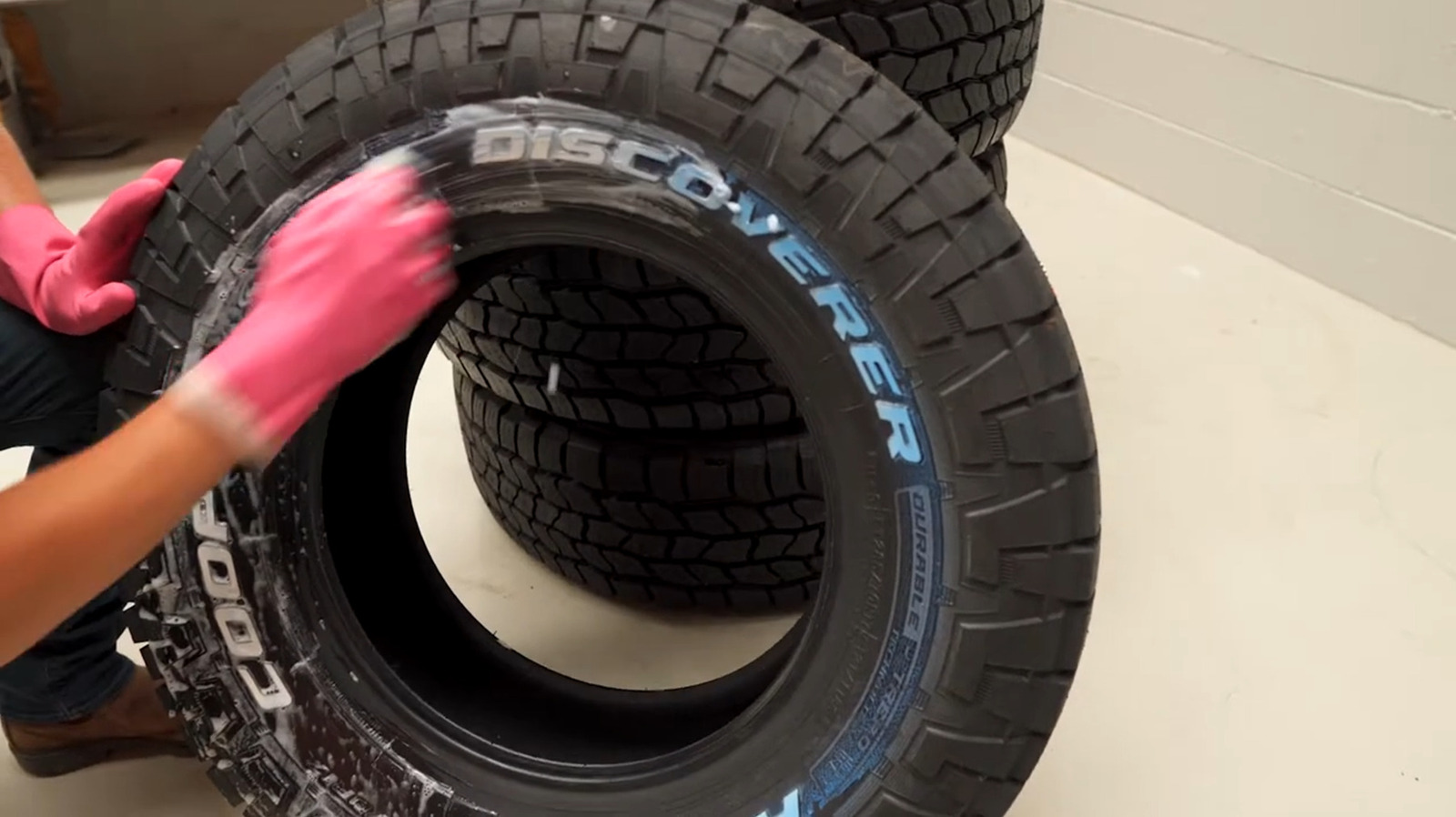
Blue patches on mud-caked tires can look weird fast, but the color usually has a simple explanation. It often comes from chemicals in the rubber reacting with heat, sunlight, cleaning products, or the grit that gets blasted across a trail. In other words, the tire is usually showing off what is happening under the surface, not waving a red flag about sudden damage.
Off-road tires are built with a mix of compounds that help them grip, flex, and survive punishment. Some of those ingredients can rise toward the outer layer, and when mud or abrasion strips away the top film, a blue tint can show through. That surprise color can stick around as a stain, especially if the tire is left dirty after a hard run.
There is also a chemistry angle that makes the whole thing even messier. UV rays and heat can push certain compounds into a reaction, while mud particles can grind away at the sidewall just enough to expose the color underneath. It is less about the mud being blue and more about the tire revealing its own hidden layers.
The good news is that blue staining alone does not usually mean a tire is failing. It can be a cosmetic sign that the tire has been worked hard, exposed to the elements, or cleaned with products that are a bit too aggressive. That said, the stain can become harder to remove if it is ignored for too long.
Keeping off-road tires in good shape starts before the vehicle even hits the trail. Lowering tire pressure can improve traction on rough ground, which helps reduce slippage and unnecessary scrubbing against rocks, ruts, and loose dirt. Less slipping means less abuse, and less abuse means less chance for the surface to wear down unevenly.
Suspension matters just as much. If the shocks are worn or not doing their job, the tires end up taking more of the impact from bumps and rough terrain, and that extra punishment can lead to uneven wear. On uneven trails, that kind of stress adds up quickly and leaves the rubber looking tired long before its time.
Rotation is another big piece of the puzzle, especially for vehicles that run a full-size spare. A five-tire rotation helps spread the wear across all the tires instead of letting one carry all the burden while another sits unused in the back. The pattern can be a little more involved, but it pays off with more even wear and better long-term performance.
Alignment deserves attention too. Lifted trucks and SUVs can be trickier to align than a standard street vehicle, and if the angles are off, the tires can scrub strangely on pavement and trail alike. That extra drag can chew through rubber and make sidewalls and tread more vulnerable to stains and surface damage.
Cleaning after a muddy run is where a lot of owners either save the tire or make the problem worse. A solid rinse, a proper tire brush, and the right cleaner can lift grime without forcing harsh chemicals into a surface that is already stressed. Softer brushes work better on sidewalls, while a clean towel finish helps keep leftover residue from sitting around and causing trouble.
It also helps to stay picky about what products touch the rubber. Heavy-duty cleaners with harsh ingredients can react badly with compounds already present in the tire, and that can make discoloration worse instead of better. A gentler routine keeps the tire looking cleaner, and it avoids adding more chemical drama to an already dirty day.
Storage matters, too. Tires left baking in the sun or sitting in hot conditions can age faster, and that aging can make them more likely to crack or discolor. Covering them or keeping them out of direct heat slows that wear down, which is especially useful for off-road drivers who want their tires ready for the next muddy adventure.
