
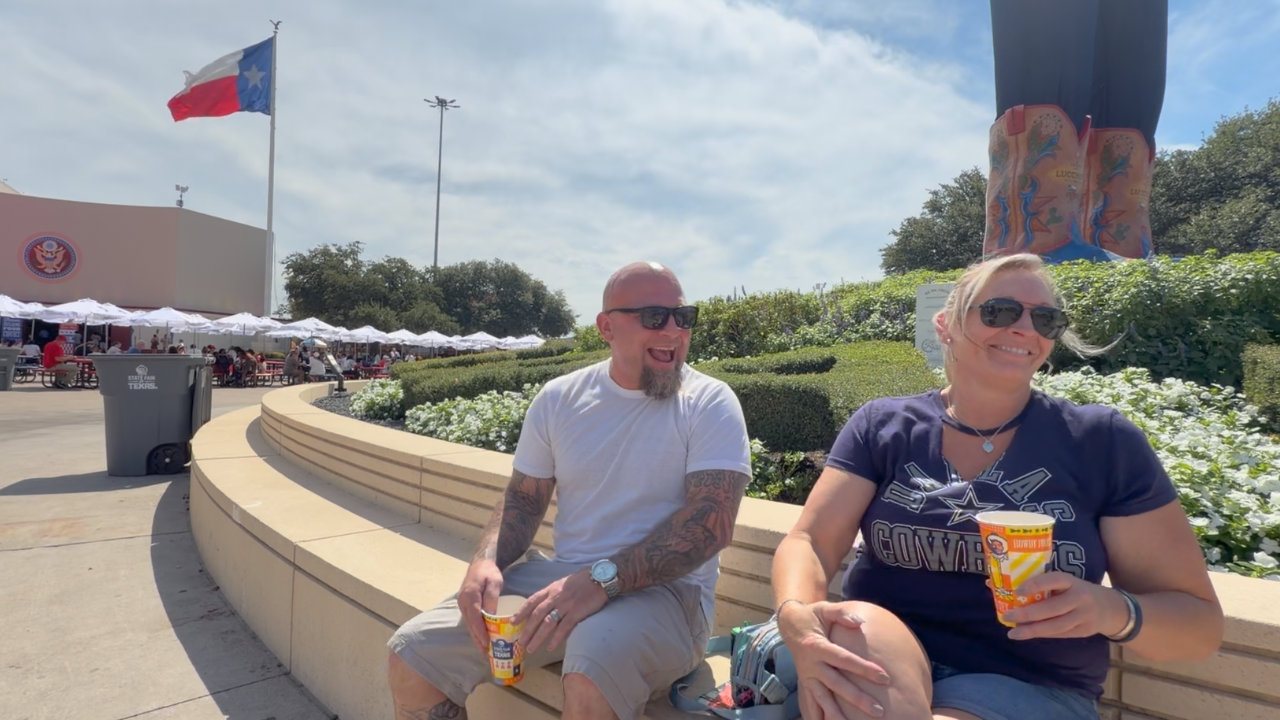
Texas is heading into a high-stakes election season with its long-standing red reputation under pressure from rising costs, shifting metro areas, and plenty of voter frustration. At the State Fair of Texas, people had sharp opinions about whether the state is really on the verge of changing color, but almost everyone agreed on one thing: the economy is sitting right at the center of the race.
Texas voters go to the polls Nov. 3 in contests that could reshape the state’s political map. The governor’s race, a U.S. Senate battle, and fights for congressional and legislative seats are all in play, giving both parties plenty to sweat over as the campaign hits its final stretch.
Republican Gov. Greg Abbott is facing Democrat Gina Hinojosa, while Republican Ken Paxton is matched up against Democrat James Talarico for a Senate seat. That lineup alone shows how much is at stake, especially in a state where Republicans have usually had the upper hand but can no longer assume the ground beneath them is solid.
At the fair, the mood was a mix of confidence, caution, and plain old Texas swagger. Some voters said the state will stay red no matter what, while others saw signs that Democrats are gaining traction in the big metro areas and could make this cycle more competitive than the last few.
Briana from Garland said she expects Republicans to have work to do, but not a collapse. “I think we’re going to struggle, but I think it will stay red,” she said, echoing a common belief that Texas may be tougher to hold in future cycles without actually tipping over right now.
Mike and Tracey from Houston were even more direct. “Red. It’s going to stay red,” Tracey said. “Red,” Mike added. The confidence was clear, the kind that comes from years of seeing Texas vote the same way and assuming the trend will keep rolling.
Chris took that feeling and turned it into a blunt warning for Democrats. “Hell will freeze over before Texas flips blue,” he said, capturing the hard-edged loyalty that still runs deep in much of the state.
Jennifer and Patrick from Dallas shared that same basic view, even if they acknowledged the map is not perfectly simple anymore. “Texas will always be a Republican state,” Jennifer said, while Patrick added, “But we still think it will stay Republican.” That kind of thinking is common in a state where political identity and local shifts can exist side by side.
Not everyone was convinced the red wall is locked in forever. Mary said the Dallas-Fort Worth region is moving in a different direction, and she thinks a blue swing is at least possible this year. “It’s definitely leaning more blue. Texas as a whole, I’m not sure,” she said. “I think if there would be an election that swings blue, it would be this one. So we’ll see if it happens.”
Beyond party labels, cost of living came up again and again, and not in a cheerful way. Cynthia, who moved to Texas from New York, said she wants leaders who will strengthen the economy, help businesses, and leave families with enough money left over to actually enjoy life, even something as simple as a day at the fair.
“If you don’t have enough disposable income, then you can’t really enjoy something like this,” she said. “It’s pricey.” That frustration lined up with what Jennifer said about inflation, which she described as something people expected for a while but were not ready to feel for this long.
Roxanne also pointed to broader dissatisfaction with the direction of the country, saying it has shaped how she sees the election. “I just don’t agree with the current administration, so I really want to see somebody else come in and do a better job,” she said, putting a familiar voter mood into plain language.
From the midway to the ballot box, the conversation in Texas sounded less like a single prediction and more like a real-time stress test of the state’s political future. The red-versus-blue debate may keep getting louder, but the pocketbook worries are the part voters seem unable, or unwilling, to ignore.
