
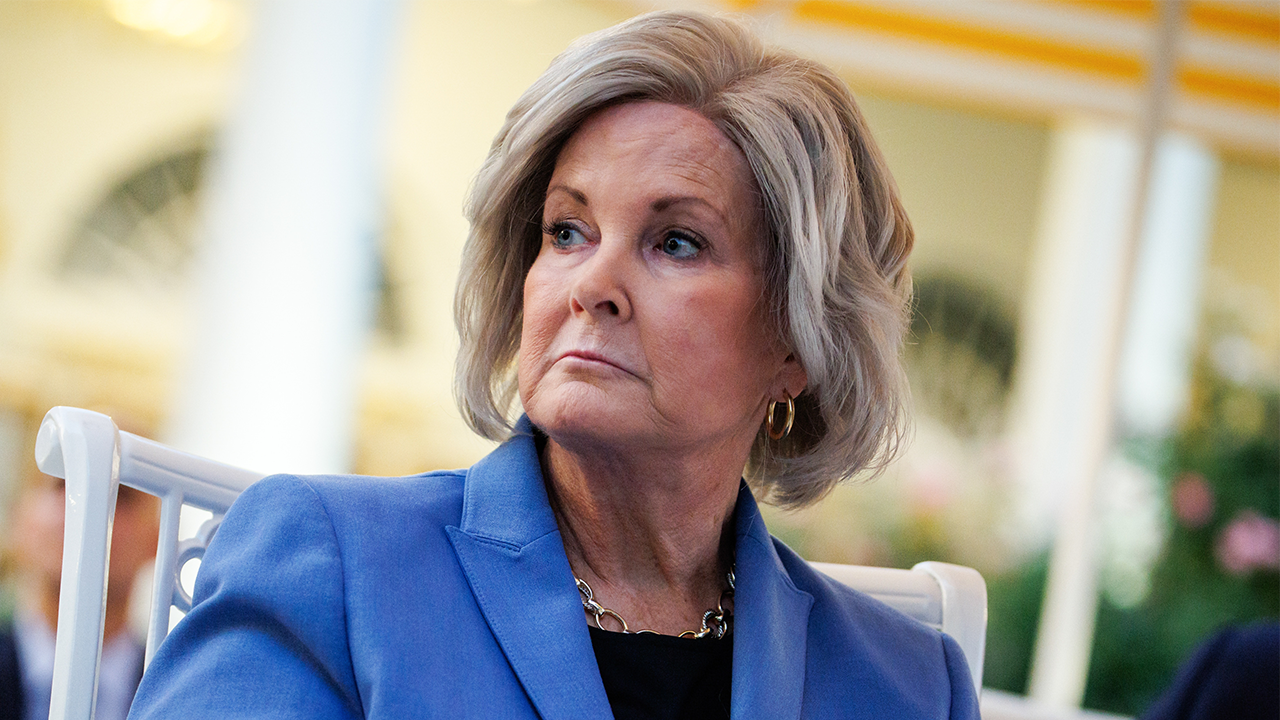
Susie Wiles is being candid about what it really looked like to fight breast cancer while serving as White House chief of staff. The picture she painted is raw and unglamorous, with treatment, fatigue, fear and duty all crashing into the same day. Even after the hardest part was behind her, the grind of recovery still had plenty to say.
Wiles said the illness followed her from the moment she woke up, and sometimes even followed her into sleep. In an op-ed published Sunday, she described chemotherapy as a brutal stretch of life where questions about tests, treatment and what came next could crowd out everything else. Some mornings, she said, just getting out of bed and getting to work took everything she had.
“Fighting cancer is brutal and unrelenting,” Wiles wrote. That line carries the weight of someone who has lived through the routine of being strong in public while feeling worn down in private. The disease was not just a medical battle, but a constant mental one, too.
She also made clear that work became more than a job during that time. It gave her something solid to hold onto when cancer tried to shrink her world down to appointments, scans and side effects. Even as she worried about whether others thought she could keep leading, she kept aiming her focus outward, toward the people who depended on her.
The toll was real and it showed up in her stamina, mobility and attention. Wiles said there were days when she could not be everywhere she wanted to be, and that reality forced her to lean on others in a way she had not expected. Her two daughters, extended family, friends, colleagues and doctors all became part of the net that kept her moving forward.
That support mattered, but so did the plain truth that no two cancer experiences look the same. Wiles acknowledged that pushing through treatment while working would not be possible or right for everyone. For her, though, staying on the job helped preserve a sense of identity that the disease kept trying to blur.
After successful surgery, pathology showed no residual cancer, and Wiles said she is now in the stretch of rebuilding what treatment took away. She did not soften the impact of chemo, calling it exactly what many patients quietly think but rarely say out loud. “Chemotherapy is, in a word, a b—-,” she wrote.
She later shared that message again on X, saying she does not often write about herself but wanted to speak plainly about what it meant to keep working through cancer. Her aim was not sympathy for its own sake. It was to offer something steady to anyone else in the middle of the same fight.
“Cancer tried to make my world smaller. I was determined not to let it,” she wrote, adding that she hoped her story could give strength to someone still in treatment. That kind of directness lands because it sounds earned, not polished. There is no theatrical speech in it, just a tough person refusing to hand over the whole field.
Wiles had revealed her early-stage breast cancer diagnosis in March, and later announced that she was cancer free after receiving clear pathology results from an appointment at the Mayo Clinic. President Donald Trump had praised her during treatment in a prerecorded tribute, calling attention to her fight. Wiles thanked him for his support and credited her family, friends, coworkers and doctors for helping carry her through.
For Wiles, the story is bigger than a medical update. It is about staying herself when a diagnosis threatens to rewrite the script, and about refusing to let illness become the only thing that defines the season. Her daughter Katie Wiles responded on X with a message that landed like a proud family note: “A strong woman isn’t loud in her strength; she’s steady and unshakable,” she wrote. “You are our champion. So incredibly proud of you, Mom.”
