
Checklist: girls’ sports and competitive fairness; a state tournament loss that changed everything; adults, schools, and policy choices; the pressure to stay quiet; college, speaking out, and finding support; the next generation of athletes.
There are losses that sting for a night, and then there are losses that keep echoing long after the field is empty. For one Minnesota softball player, a semifinal defeat did not just end a season. It became the moment that exposed how fragile girls’ sports can be when the rules stop meaning what they used to mean.
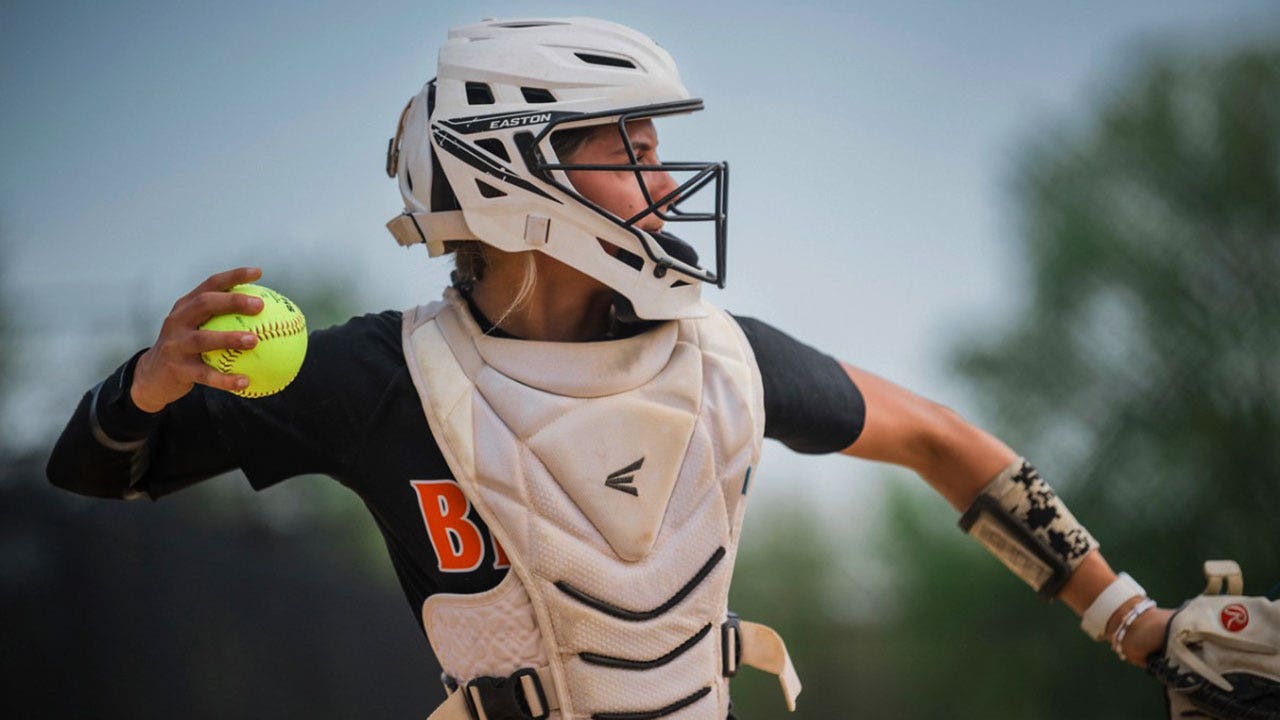
She was a senior chasing one last run with her younger sister, and the team made it all the way to the state tournament as an underdog. Then the season slammed shut against an opponent that was allowed to use a boy as the pitcher on a girls’ team. That team later won the state championship, and the whole thing left a bitter aftertaste that no trophy could wash away.
The pain was not about one game in isolation. It was about the adults who were supposed to protect fairness deciding, in effect, that girls could just absorb it and move on. When that happens, the damage spreads far beyond the scoreboard, because a title, a roster spot, and a shot at exposure can shape a young athlete’s future.
What made the loss even harder to swallow was the silence that followed. Girls were expected to play hard, smile politely, and act like nothing was wrong, even when they had every reason to feel blindsided. That kind of pressure does not just frustrate athletes, it teaches them that speaking up is the risky part.
The deeper frustration came from learning how the situation had been set up long before the first pitch. The boy’s legal documents had been changed years earlier, and that paperwork became part of a system that treated girls as if their opportunities were negotiable. To many athletes, that is the real insult, not just the result on the field but the machinery behind it.
Once the season ended, the story did not stay in Minnesota. It followed her into the national debate over fairness, privacy, and the basic meaning of women’s sports. Her experience became part of a much bigger argument about whether girls are being asked to carry the burden for decisions made by schools, leagues, and politicians.
Speaking publicly came with a price. Instead of being backed up, she says she was isolated and shamed, even told not to identify her university to the media after being recruited to play Division I softball. That kind of treatment sends a clear message to young athletes: stay quiet if you want to keep your place.
But silence was never going to fix what had already happened. She also found herself clashing with campus ideas that tried to blur the line between sex and gender in a way she believed ignored biology and erased girls’ experiences. In class, that meant conflict over an assignment, a zero grade, and a blunt lesson that disagreement could come with a cost.
That pressure eventually pushed her to transfer, and the change brought something rare in this debate: relief. At her new school, she says she finally felt supported and free to tell the truth without looking over her shoulder. That shift matters, because athletes do their best work when they are not forced to choose between honesty and belonging.
Now she is playing at Colorado Christian University and still thinking about the younger version of herself crying after the tournament. She thinks about her sister, her cousins, and the girls coming up behind them who deserve better than a rigged setup dressed up as progress. The message is simple enough to say out loud, even if some people do not want to hear it.
Girls should not have to hand over championships, playing time, or roster spots to boys while being told to keep quiet about it. And when adults fail to protect that truth, the next generation has to decide whether to accept the mess or push back. She has already made her choice, and she is not folding her voice to fit anyone else’s rules.
