
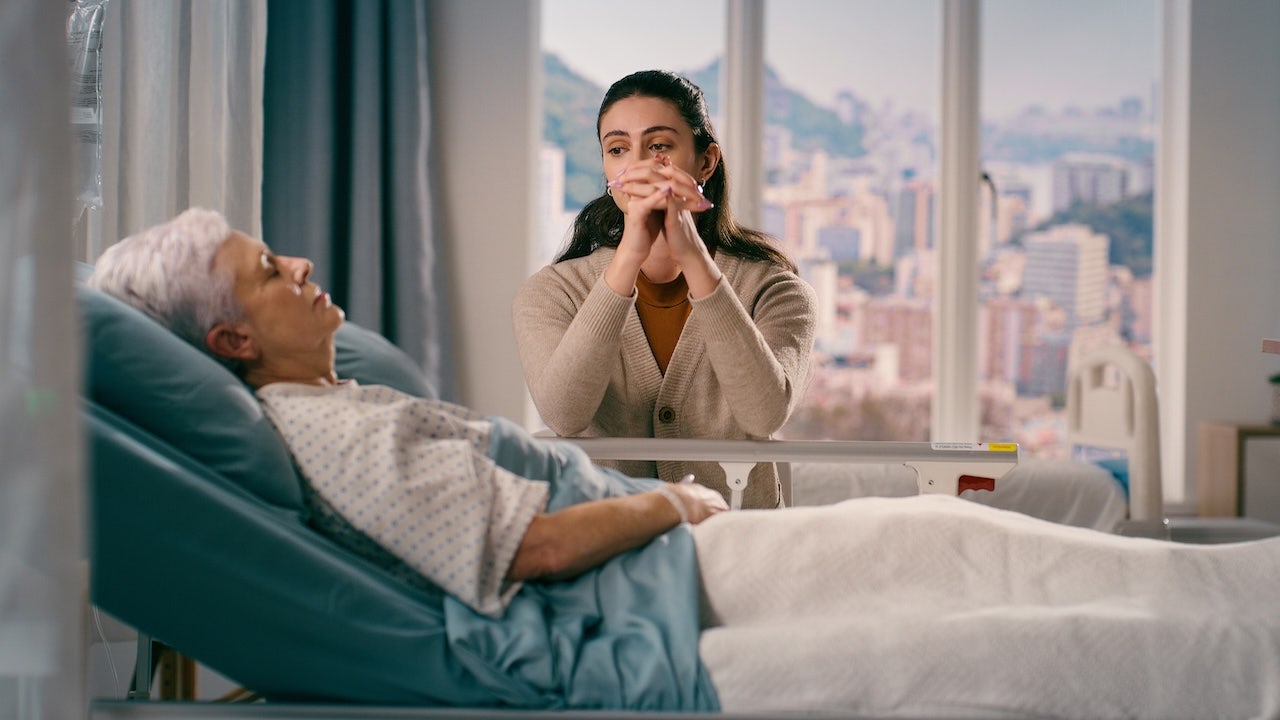
Faith, medicine, and hard-won survival stories all collide in this piece about Dr. Marc Siegel’s new book, The Angels Among Us. The focus stays on how patients, families, and doctors often encounter healing in ways that go beyond a simple chart or scan, with real cases and medical experience shaping the bigger picture.
Siegel’s core idea is blunt and memorable: illness is not always just a physical problem, and recovery is not always purely clinical. In his telling, the best care often comes when science and spirituality are not treated like rivals, but like parts of the same human struggle.
That perspective is rooted in years of medical practice, especially in intense settings where outcomes can turn fast. Siegel points to survey data showing many physicians believe in God and many have seen what they consider medical miracles, a reminder that even in high-tech medicine, mystery still has a seat at the table.
The book broadens the idea of “angels” in a way that feels practical rather than dreamy. It includes not only supernatural messengers, but also nurses, doctors, family members, and strangers whose timing, compassion, or instinct changed the course of a life.
One of the most striking cases involves U.S. Army Staff Sgt. Spencer Milo, who was initially told he had a terminal brain tumor after severe trauma in Iraq. A second look changed everything, and what first appeared to be a death sentence turned out to be a benign condition.
Siegel also weaves in the emotional support Milo received later from former President George W. Bush, showing that recovery is not always about one dramatic medical breakthrough. Sometimes it is the steady human presence around a patient that keeps hope alive long enough for the body to respond.
Another story from Siegel’s ICU days involves a patient who stayed in a coma for three months after major brain trauma. Against the odds, the patient woke up and eventually returned to work, a result that reinforced Siegel’s instinct to keep looking even when the prognosis looked grim.
That lesson seems to run through the whole book. Instead of treating statistics as the final word, Siegel argues that doctors should stay open to explanations that are not always obvious, especially when suffering is deep and the outcome is uncertain.
His own family experience adds another layer to the argument. Siegel describes his father surviving years on dialysis after serious COVID-19 illness and emergency surgery at age 98, a reminder that resilience can show up late and stubbornly refuse to quit.
The book also includes accounts of people who describe comforting spiritual encounters during critical illness, including one ICU patient who said she saw reassuring figures before her condition stabilized. Those moments do not erase the role of medicine, but they do raise bigger questions about how fear, hope, and belief shape the will to endure.
Siegel doesn’t pretend faith replaces treatment, and that is part of what gives the message some weight. He keeps coming back to the idea that great medicine matters enormously, but so do courage, prayer, and the emotional lift that comes from believing recovery is still possible.
Historical cases give the book more texture, including the treatment of President Ronald Reagan after the 1981 assassination attempt. Emergency room triage, high-pressure decision-making, and the politics surrounding that night all serve as a backdrop for how fragile life can be and how fast events can shift.
There is also a look at the spiritual roots of Alcoholics Anonymous, especially Bill Wilson’s awakening at Towns Hospital in New York. That story fits neatly with the book’s larger argument that healing often begins long before a patient is technically “better.”
Throughout it all, Siegel keeps pressing the same idea in different forms: medicine can relieve suffering, but faith and hope can help people keep going when the road gets brutal. That mix of science, compassion, and belief is what gives these stories their punch, and it is what keeps the conversation around healing wide open.
