
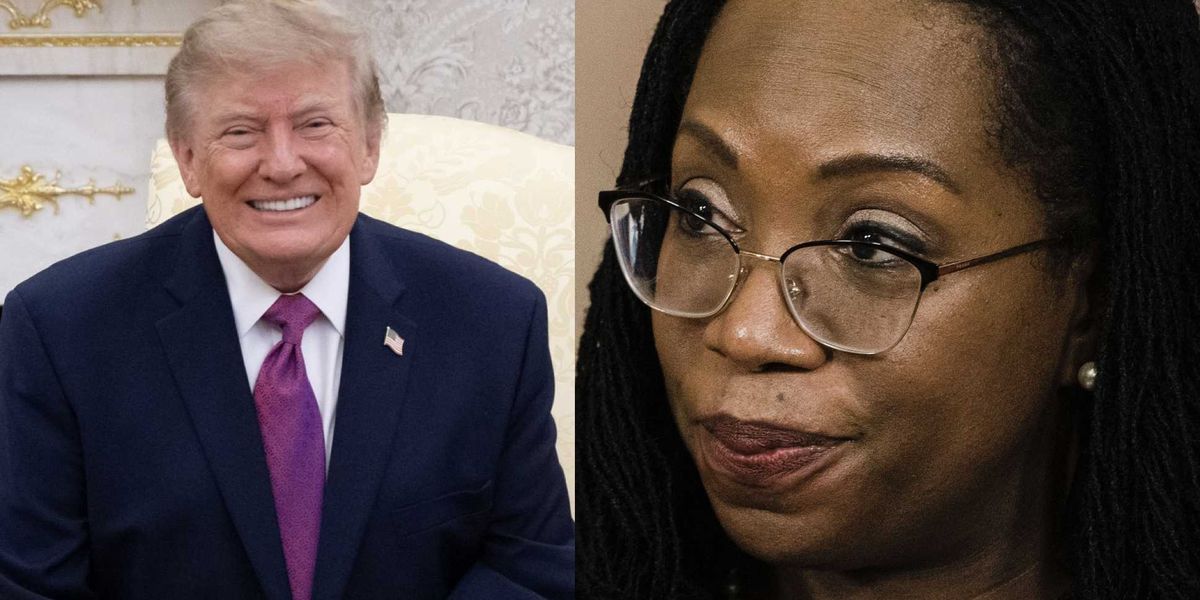
The Supreme Court’s latest decision sent another clear signal that challenges tied to election rules are not going away anytime soon. Justice Ketanji Brown Jackson responded with a sharp dissent that put her frustration on full display, underscoring just how tense the legal fight has become around President Trump’s agenda and the Court’s role in it.
At the center of the dispute is a bigger clash over elections, fraud claims, and how much room states have to set and defend their own rules. For supporters of stronger election safeguards, the ruling was a welcome sign that the courts are still willing to let Trump-era policy fights move forward instead of shutting them down at the doorstep.
Jackson’s dissent did not sound like a routine disagreement. It carried the kind of edge that makes it clear the justices are not just debating dry legal language, but the balance of power in some of the most politically charged cases in the country.
The majority’s move gave Trump another win in a courtroom landscape that has often been hostile to him. That matters because each victory changes the pressure on lower courts, state officials, and election administrators who are trying to navigate lawsuits that can reshape the rules well after the headlines fade.
For Republicans, the issue goes far beyond one case. It fits into a larger argument that Democrats and their allies have spent years stretching election law to suit their own ends, while waving away concerns about trust, verification, and basic fairness.
That is what makes this moment so combustible. Every fight over ballots, procedures, and alleged fraud becomes a proxy battle over who gets to define election integrity, and the Supreme Court keeps ending up in the middle of it.
Jackson has built a reputation for forceful dissents, and this one landed with the same kind of sting. Her language reflected deep disagreement with the Court’s direction, but it also highlighted a simple fact: the justices are no longer operating in a quiet legal bubble where political consequences stay outside the chamber.
Trump’s backers see these decisions as part of a long overdue correction. They argue that years of lax standards and partisan double standards created the very chaos critics now pretend to be shocked by.
At the same time, the ruling shows how much weight the Court now carries in disputes that used to be settled by state legislatures and election officials. When the nation’s top court steps in, the fight stops being local and becomes national in a hurry.
That reality has made every high-profile election case feel bigger than the last. The stakes are not just about one rule, one filing, or one dissenting opinion, but about whether the system can still be trusted to protect the ballot without bending to political pressure.
Jackson’s reaction made one thing obvious: the legal battle over election-related disputes is far from settled. As these cases keep surfacing, the Court will keep taking heat, and every ruling will keep feeding the larger fight over fairness, power, and control of the voting process.
