
Checklist: fairness in women’s sports, locker room consent, Yale and the Ivy League, Riley Gaines’ experience, pressure on athletes to stay quiet, and the broader debate over sex divisions in competition.
Josh Hawley put the spotlight squarely on one of the messiest fights in sports today, asking whether female swimmers at Yale ever agreed to share a locker room with Lia Thomas. The exchange cut right to the heart of a debate that keeps boiling over: what happens when athletes are told to accept a policy they never signed up for?
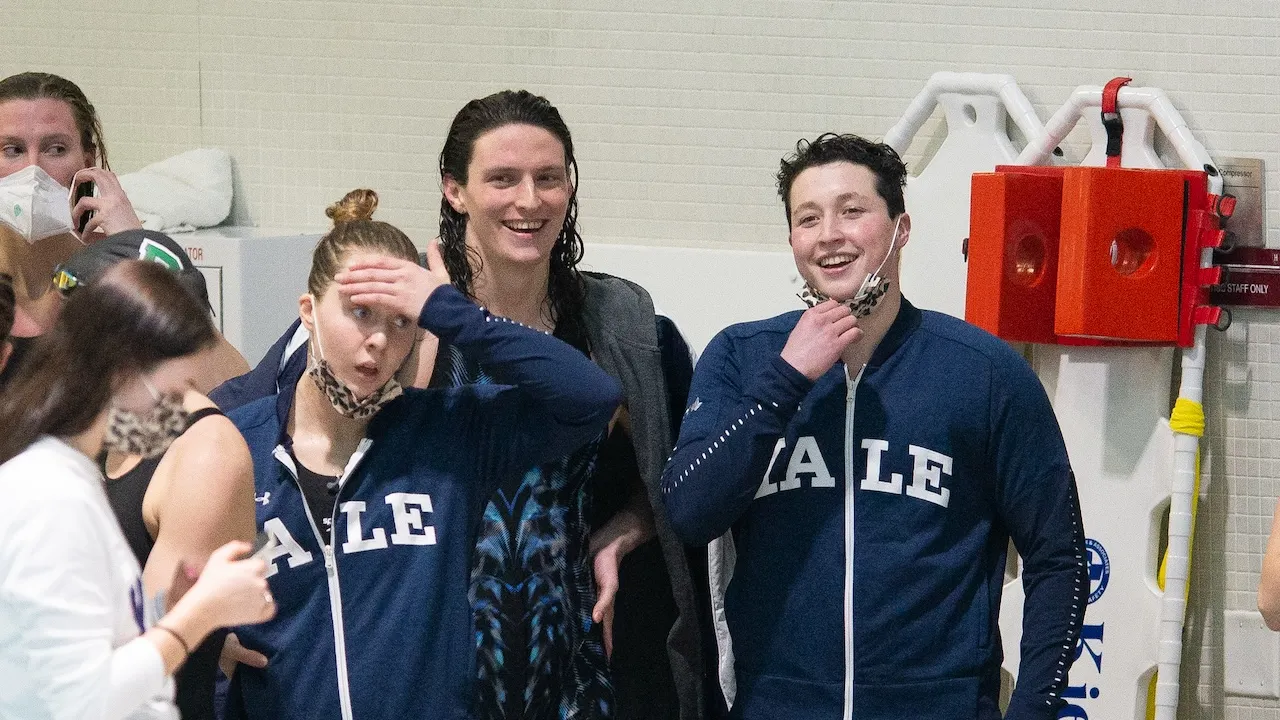
During the Senate Judiciary Committee hearing on fairness in women’s sports, Hawley pressed witness Kim Jones, co-founder of the Independent Council on Women’s Sports, about what the swimmers were told and what they were never asked. Jones said her daughter competed against Thomas in multiple meets during the 2021-2022 season, and that the athletes were not asked whether they were comfortable with the arrangement.
Thomas, a biological male who identifies as transgender, became a flashpoint in college athletics after competing in women’s swimming and defeating several opponents, including Riley Gaines. That has kept the issue front and center for anyone who believes women’s sports should mean exactly that, with clear boundaries and a level playing field.
Hawley was blunt in laying out the complaint. “Three years ago, Riley Gaines sat right where you’re sitting at a hearing in front of this committee, and she described for the committee what it was like to be forced to have a biological man in her locker room without her consent, forced to undress in front of him, forced to watch him undress in front of her, forced to then go compete with her — against her — in a totally unfair situation,” he said to Jones.
The hearing made clear that this was not being framed as a vague policy argument. It was about real athletes in real spaces, with privacy and safety concerns that do not go away just because a school or league says the rules are settled.
Jones confirmed that her daughter swam for Yale and faced Thomas in more than one race. She also said the girls were not asked whether they were comfortable sharing a locker room with Thomas, which is exactly the kind of detail that makes the whole controversy hit harder.
According to Jones, the team culture around the issue was tight and controlled. Swimmers were required to attend regular meetings where they were reminded that the decisions were coming from the schools and the league, not from the athletes who had to live with them.
She also said the pressure on the swimmers was intense. If they wanted to speak out, they had to get their words cleared by coaches and athletic directors, and they were told to keep families in line, with threats and pressure hanging over them on a regular basis.
That part of the testimony landed with weight because it suggested a lot of people were expected to smile, stay quiet, and move on. For critics of transgender inclusion in women’s sports, that silence is just as troubling as the policy itself, because it leaves female athletes carrying the burden while officials dodge the fallout.
Hawley called the situation “incredible,” but said it was believable given what had already come out and what Jones described about her daughter’s experience. That response captured the mood of the hearing pretty well, since the whole dispute keeps circling back to the same core question: who gets to decide what fairness looks like when women’s sports are on the line?
