
Here’s what matters most:
- America enters the summit with real leverage
- China’s role in trade, minerals, and supply chains
- Detained Americans and the push for their release
- Pressure on Russia, Iran, and sanctions enforcement
- Taiwan’s security and the wider Pacific stakes
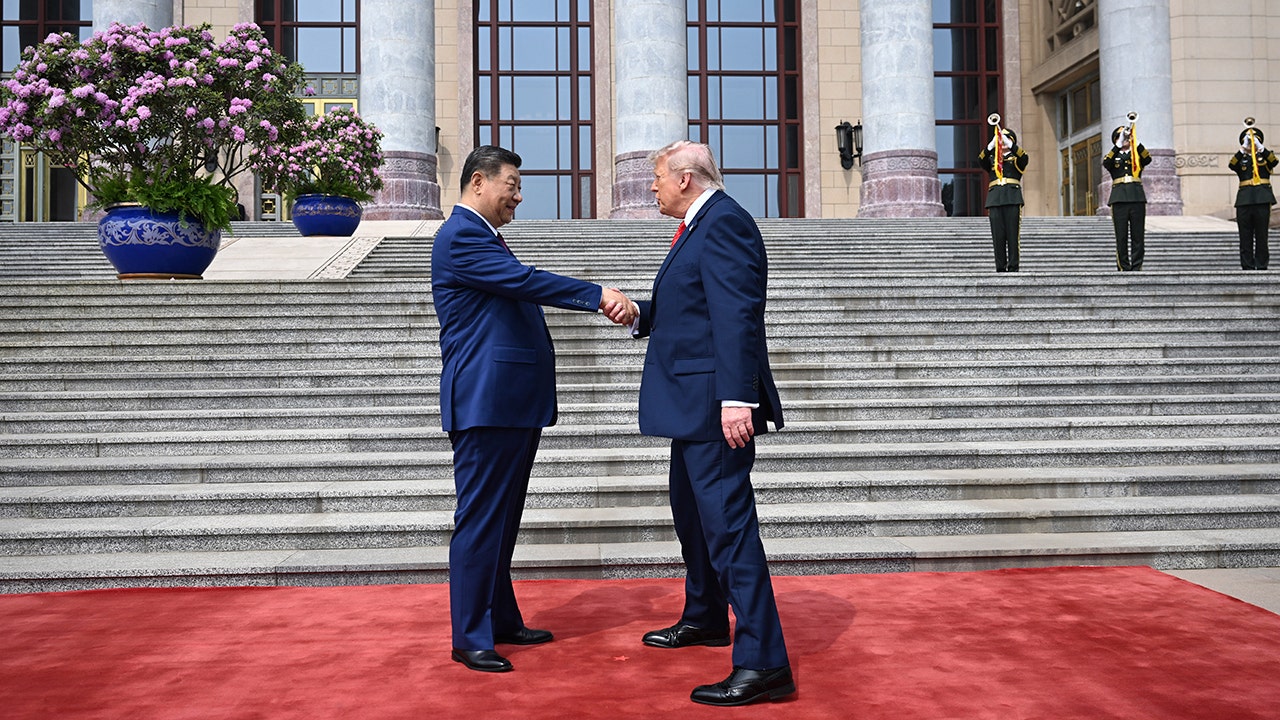
When President Donald Trump sits down with Xi Jinping, the meeting should not be treated like another polite diplomatic photo op. The stakes are too big, the pressure points are too real, and the opportunity to force results is too important to waste. America does not need empty handshakes. It needs hard outcomes that protect U.S. interests and put Beijing on notice.
The backdrop is impossible to ignore. Ukraine is still under attack, the Middle East remains volatile, fentanyl has ripped through American communities, and prices for everyday goods still hit families hard. Those problems may look separate on the surface, but they all connect back to the same strategic reality: China has spent years using influence, pressure, and economic muscle to shape the world in its favor.
That does not mean the United States is helpless. Washington has already started rebuilding leverage by reducing dependence on foreign supply chains and strengthening America’s hand in critical minerals. That matters because Beijing has too often tried to turn economic control into political control, especially in sectors that touch modern life from phones and cars to defense systems.
There is also a bigger point about power. The old habit of hoping China will “play nice” has failed repeatedly, and it keeps failing because the Chinese Communist Party respects strength far more than wishful thinking. If the United States shows resolve, Beijing has to calculate the cost. If the United States blinks, China pushes harder.
One of the most urgent issues is the treatment of detained Americans. No country should be allowed to use innocent people as leverage, yet that has become a familiar tactic from Beijing. Americans held on vague or baseless accusations should come home, and Trump should make that demand directly and loudly.
That same directness should extend to the broader question of repression. China’s pressure on critics, religious believers, journalists, and dissidents is not some side issue. It is part of the same system that treats human rights as a nuisance and coercion as a tool of statecraft.
The economic fight is just as serious. China’s grip on critical minerals gives it a dangerous amount of influence over industries the U.S. cannot afford to lose. A temporary supply fix would be better than nothing, but a short-term patch is not the same thing as real independence. America needs resilience, not renewed dependence disguised as progress.
Then there is the axis of trouble involving Russia and Iran. Beijing cannot pretend to be a guardian of global stability while helping keep hostile regimes afloat through trade and energy purchases. Those relationships feed war, fund aggression, and make sanctions harder to enforce. If entities are helping enemies dodge pressure, they should feel the heat.
That is where American leverage should bite. Access to the global economy is a privilege, not a gift, and countries that want the benefits of that system have to live by basic rules. If Beijing wants normal relations, it should stop propping up instability and stop acting like consequences are for other people.
The Taiwan Strait is another place where caution and strength have to work together. Taiwan sits at the center of global semiconductor production and remains vital to trade across the Pacific. Any threat there would shake markets, raise prices, and send shockwaves far beyond Asia.
For Americans on the West Coast and across the country, that is not abstract. Ports, factories, and small businesses all depend on a stable Indo-Pacific. A crisis there would land in very ordinary places, fast, and with a painful price tag.
That is why this summit should be judged by what changes afterward, not by who smiled most convincingly at the table. Trump has the chance to press for verifiable commitments, not vague promises that vanish the moment cameras shut off. If strength is used well, the meeting can produce real movement instead of another round of diplomatic theater.
