
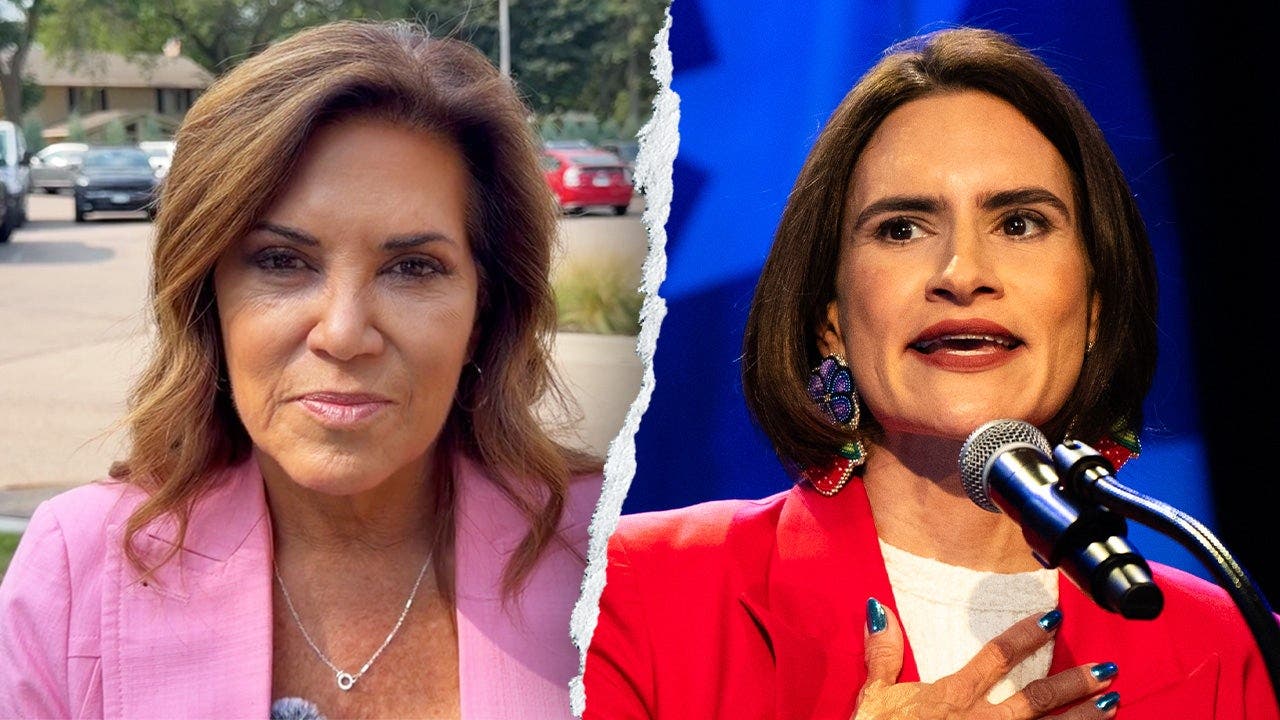
Minnesota Republicans are trying to pull off a tricky balancing act: keep the energy Trump built, but not get chained to his baggage. In a state where Trump never enjoyed much natural goodwill, candidates like Michele Tafoya and Lisa Demuth are leaning into his biggest wins while making room for a tougher, more independent brand of conservatism.
That tension is showing up in the race itself. Supporters who still want a full-throttle Trump-style fight sound frustrated with anything less, while plenty of voters seem open to a more measured pitch, especially when local scandals and kitchen-table issues matter more than the old loyalty tests.
In St. Cloud, that split was easy to feel. A man parked outside a courthouse in a truck plastered with pro-Trump stickers treated the whole thing like a personality test for the party, arguing Republicans need to stay completely committed to Trump-style politics if they want to win.
His view was blunt, but it was not the only one in the room. Another local voter, a retired banker turned soybean farmer, offered a messier take, saying tariffs caused real pain while also admitting federal subsidies helped keep the farm afloat when things got rough.
That kind of mixed reaction is exactly why Minnesota Republicans are walking a narrow line. Trump’s border message and his emphasis on working-class concerns still have real pull, but tariffs, overseas conflict, and his most confrontational instincts are a different story for voters who want results without the constant chaos.
The fraud scandal hanging over the state has added another wrinkle. For some voters, it has made the GOP’s law-and-order message feel urgent and relevant, especially after watching stories about public money getting siphoned off while officials seemed asleep at the wheel.
Not everyone sees the response the same way, though. A restaurant manager described the crackdown as too aggressive and said he joined a protest before getting pepper sprayed, yet even he conceded the pressure has eased in recent months, which says a lot about how fast the political ground can shift.
That is where Tafoya and Demuth appear to be aiming, at least from the outside. They can praise what Trump did well, especially on immigration and taxes, while stopping short of turning every race into a loyalty parade for a former president who is not even on the ballot.
That approach makes sense in a state where the next few years may belong to someone else anyway. A Senate term or a gubernatorial stretch in Minnesota will play out under presidents who are not Trump, so the smart play is to build something that can outlast the man without rejecting the movement that made room for it.
Other Republicans around the country seem to be thinking the same way. Some candidates are already nudging away from Trump on issues like Iran, which suggests the party’s next phase may be less about imitation and more about selective inheritance.
Democrats, for their part, are still acting like the old script is enough. They would love nothing more than to make every race a referendum on Trump himself, but that feels increasingly like a lazy bet when voters are also looking hard at fraud, taxes, borders, and whether a state can function without tripping over its own mess.
That is why the Minnesota races feel bigger than one election cycle. If Republicans can keep the parts of Trump that still sell while ditching the noise that turns off swing voters, they may be building a more durable coalition than the one that carried them this far.
