
This Car Mod Was Everywhere In The ’80s – Here’s Why You Rarely See Them Today
Karolis Kavolelis/Shutterstock
From neon-colored clothes and big hair to renting movies from your local neighborhood video store, the rise of MTV, the Sony Walkman, and a host of car mods that were all the rage … the ’80s were a wild time to be alive. Another automotive oddity was the curb feeler, also known as curb finders, indicators, or our favorite — car whiskers. These analog, spring-loaded contraptions told you when the wheels were about to smack into a curb. Instead of the pleasant internal chirp from today’s sensors, these “whiskers” literally scraped the curb and made a nails-on-a-chalkboard sound that could be felt throughout the whole car as much as heard, making all nearby cats screech and babies cry.
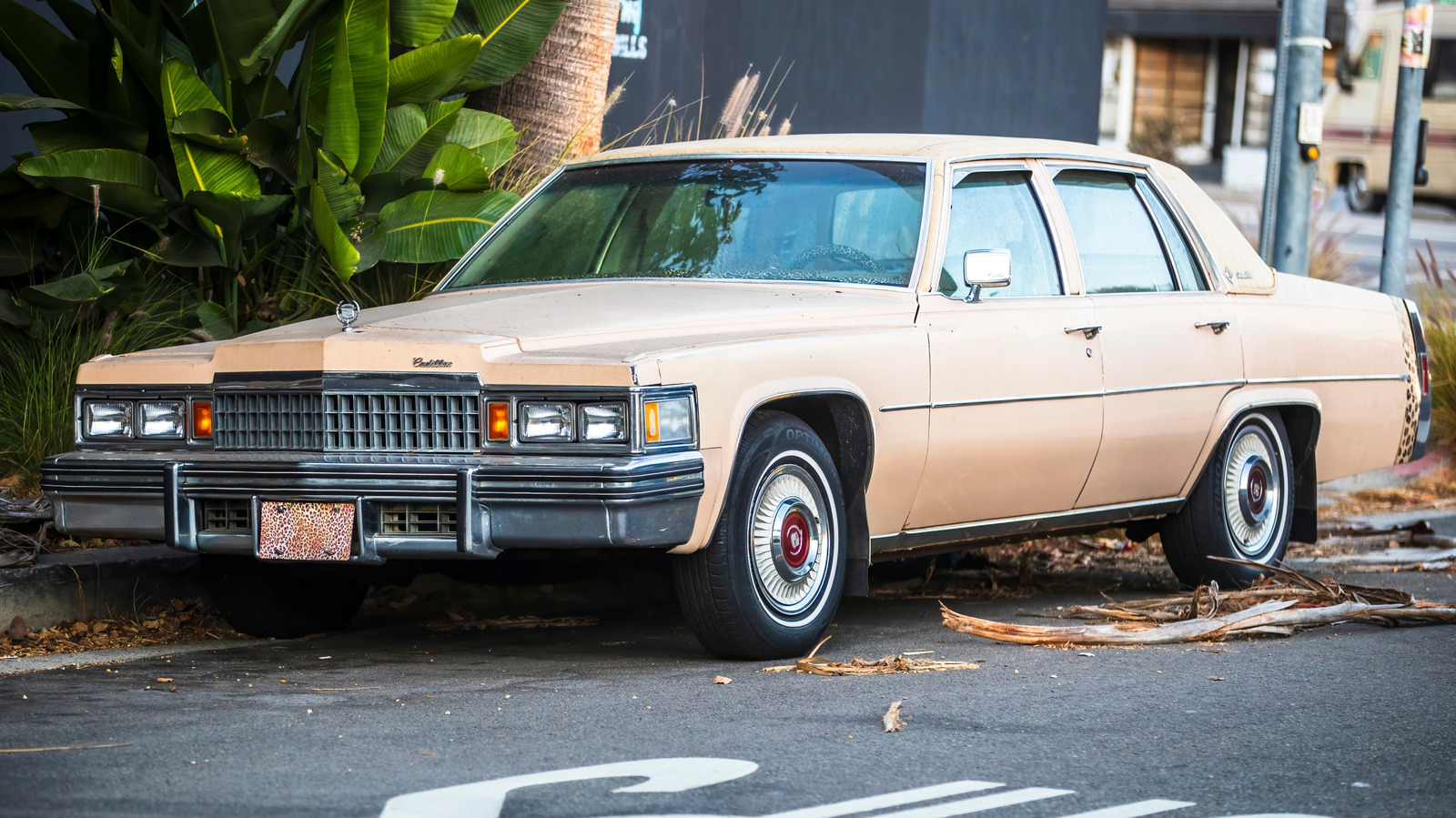
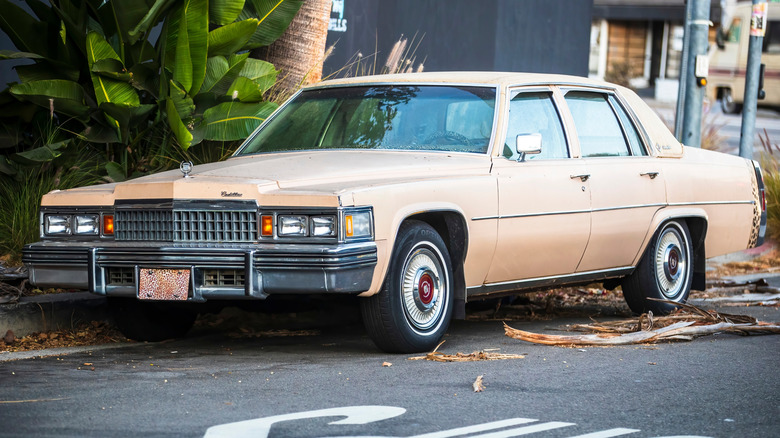
Today’s sleek, aerodynamic cars have overhead 360-degree cameras and driver-assist features that literally park the car for you, making it nearly impossible to curb tires and rims. Physical gadgets like feelers are simply no longer needed. But the ’80s were a transitional period when many cars on the road were older, hard to maneuver, lacked modern technology, and were massive — like dinosaurs left over from the prehistoric age.
Even though these simplistic yet oddly effective feelers were invented in the 1950s, they remained popular with the masses into the ’60s and ’70s. They were still beloved in the 1980s, but mostly as a nostalgic throwback mod within the lowrider community and other custom car circles, giving their rides — many of them big land-yacht types — a “tricked-out” vibe. Like many trends, though, what comes around goes around. Today, you can occasionally find them on whips trying to make a statement. You can still find them online if you really want to give them a whirl.
Touchy-feely car accessories
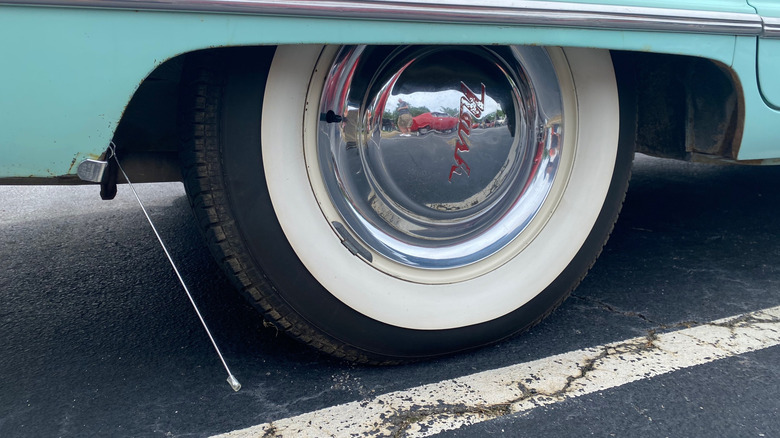
These rascally metallic whiskers were installed low on the vehicle, primarily near the wheels, and protruded a foot or so from the body. They were usually installed on the passenger side (the one often next to a curb) and were most effective when placed ahead of the front wheel. As the car neared the curb, they would hit well in advance to let everyone within earshot know you were approaching said curb with a spine-grinding, ear-bleeding warning.
Although power side mirrors existed, many autos of the day still sported static mirrors that required actual human intervention. Adjusting the driver’s-side mirror wasn’t a problem, but stretching across the vehicle to fine-tune the passenger-side mirror was much like taking a muscle-pulling yoga class. Sometimes these mirrors were too small for the vehicle as a whole. Regardless, they rarely, if ever, helped see the tires and wheels over the bulbous fenders. These touchy-feely indicators were truly the forebears of today’s hands-off digital sensors, meant to protect wheels, whitewalls, and, if you had them, hubcaps.
Ah yes, the whitewall tires. Although these early-warning curb sensors have experienced multiple renaissances throughout the decades, they were introduced in the 1950s during the post-World War II economic boom, when the country’s road infrastructure featured particularly unwieldy and often very tall curbs. Although whitewall tires had been around since the 1920s, they reached their zenith in the 1950s, so one Olas Pitt of Paducah, Kentucky, filed a patent (Serial No. 695,734) for a “curb feeler” device to keep those gleaming white tires pristine in November 1957. It was granted two years later, in September 1959.
