
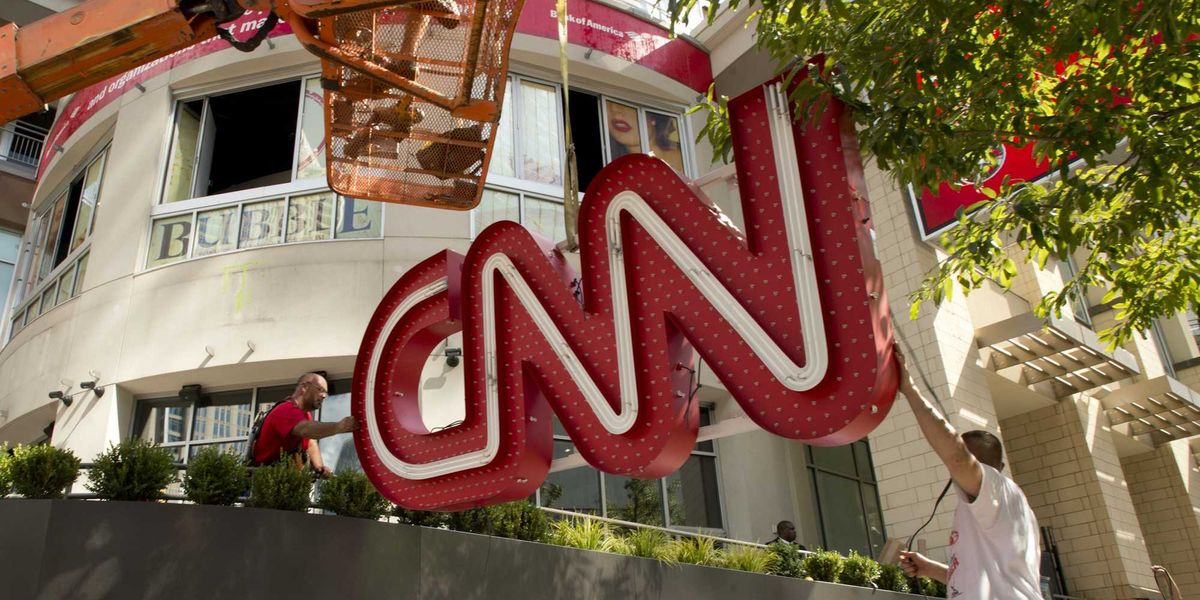
CNN is feeling the pressure as Paramount Skydance moves toward a takeover that could reshape the media landscape fast. The mood inside the network has been described as grim, and the unease is tied to bigger questions about leadership, culture, and what happens when a powerhouse entertainment company gets a stronger grip on a major news operation. At the center of the chatter is Bari Weiss, whose name keeps surfacing in conversations about what the next chapter might look like.
The tension is easy to understand. Media mergers always spark anxiety, but this one carries a sharper edge because CNN sits in the middle of a crowded and competitive news world. A change at the top can ripple through everything from editorial direction to staffing decisions, and that kind of uncertainty tends to hit hard inside a newsroom.
Reports about the atmosphere describe more than just normal corporate nerves. The talk of a takeover has apparently landed with the force of a shutdown, with staff bracing for changes they cannot fully control. When a network is already fighting for relevance, the idea of a new owner with fresh priorities can feel less like a reset and more like a storm rolling in.
Bari Weiss has become a focal point in the broader discussion because she represents a sharp break from the usual cable-news mold. Her rise has been watched closely by people who think the media industry has grown stale, and also by those who worry that any major shake-up could push a network even further from its current identity. In moments like this, a single name can come to symbolize much bigger fears about where a company is headed.
Paramount Skydance itself brings a lot of baggage to the table. Any large media deal is about more than balance sheets, because it can change how executives think about strategy, politics, and audience appeal. For CNN, that means the stakes are not just financial, but deeply cultural, with employees wondering which voices will matter and which ones might get squeezed out.
The network has already spent years trying to define itself in a fractured media environment. Cable news audiences are older, streaming keeps pulling attention away, and trust in legacy outlets remains shaky. Add a takeover into the mix and the room for calm shrinks fast, especially when everyone knows the wrong move can lead to a talent drain or a ratings slide.
Inside that kind of atmosphere, even small rumors can grow teeth. People start reading every move as a clue, every silence as a warning, and every name attached to the deal as a sign of what is coming next. That is how a corporate transition turns into a full-blown cultural moment, with workers and viewers both trying to figure out who will be steering the ship.
For observers outside the building, the reaction at CNN says a lot about the current state of media. The industry keeps promising reinvention, but reinvention usually comes with layoffs, clashes, and a lot of bruised egos. When a takeover looms over a place built on identity and reputation, the fallout can be as emotional as it is strategic, and that is exactly why the mood keeps getting described in such stark terms.
