
The measles scare in Philadelphia has widened fast, with airport exposure notices now sitting alongside a separate alert tied to a major children’s hospital. Health officials are pushing a simple message: know your vaccination status, pay attention to symptoms, and act quickly if exposure is possible. That urgency comes as measles keeps spreading in the U.S. and public health teams try to stay ahead of the next wave.
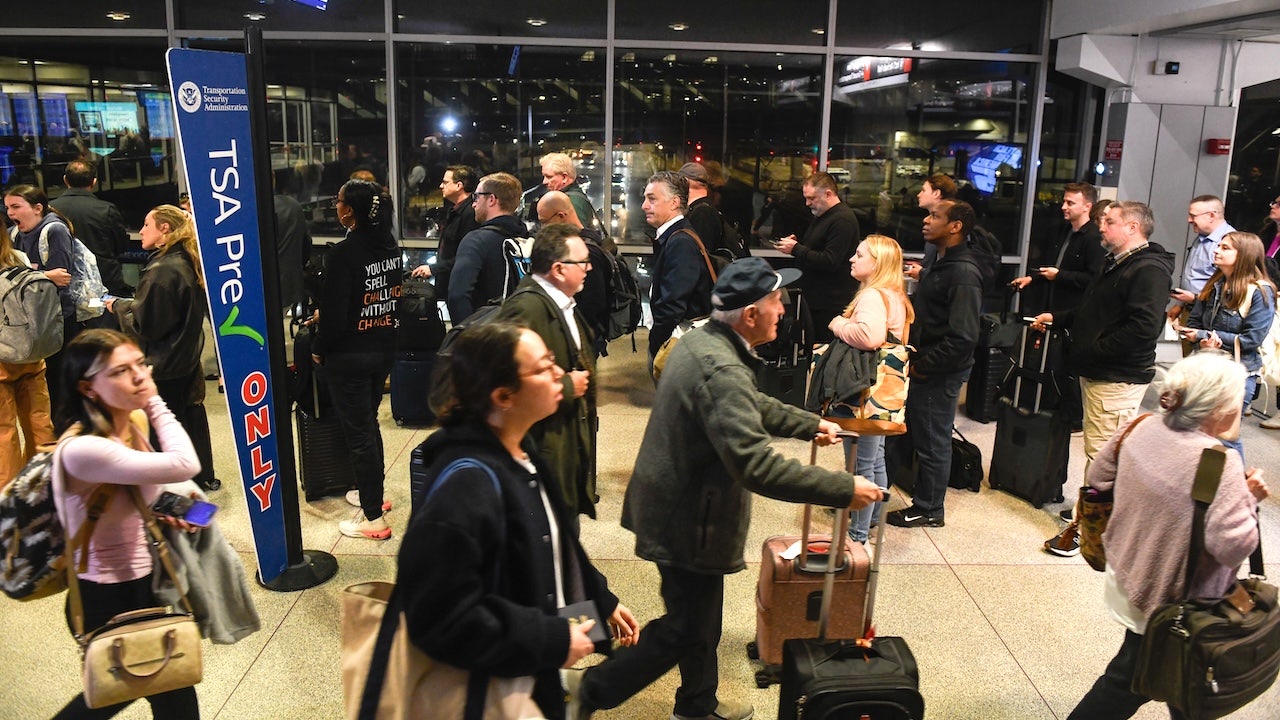
Philadelphia health officials said a possible exposure happened at Philadelphia International Airport, with the concern centered on terminals B and F and the connector areas leading to C, D, and E. The timing ran from Sunday evening into early Monday, and the infected person was said to have been traveling through the airport without leaving it. That still leaves a lot of people who may have crossed paths with the virus during a busy travel window.
This airport alert came on the heels of another local warning tied to Children’s Hospital of Philadelphia. Officials there said the earlier exposure took place on Sept. 11 in several busy spots, including the NICU West area, the family lounge, the atrium, and the main cafeteria. For families already dealing with medical stress, news like that hits hard because it adds a second layer of worry to an already tense environment.
Health leaders are stressing that measles is no joke, especially for infants, pregnant people, and anyone with a weak immune system. In those groups, exposure can quickly become something far more serious than a passing illness. Officials also noted that some people may still qualify for treatment after exposure, which can help prevent infection or make the illness less severe if it does develop.
The public health advice is blunt and practical: anyone who may have been exposed should check whether they are immune, watch for symptoms, and call a doctor if they are unsure. That warning matters because measles can spread before people even realize what is happening. If symptoms start, officials say to call ahead before heading into a clinic or hospital so staff can prepare and reduce the chance of spreading it further.
The larger backdrop is not comforting. Measles cases in the U.S. have climbed sharply this year, and Pennsylvania has already faced major losses linked to the disease. In August, the state confirmed two measles-related deaths, the first in 35 years, and both people were unvaccinated.
That reality has pushed vaccination back into the spotlight, and for good reason. The standard two-dose MMR vaccine is widely described by health officials as highly effective, offering strong long-term protection. When vaccination rates slip, measles gets a runway, and once that happens the virus wastes no time taking advantage.
Officials also keep returning to the same early warning signs because they are easy to miss if people are not paying attention. Fever, cough, runny nose, and red, watery eyes can show up first, followed by a rash that usually begins on the head and spreads downward. The delay between exposure and symptoms can stretch from about a week to three weeks, which makes tracing and early response even more important.
Philadelphia’s latest alert is a reminder that big public spaces can turn into flashpoints very quickly when a contagious virus is in the mix. Airports, hospitals, and family waiting areas are exactly the kinds of places where one unnoticed case can create a lot of fallout. That is why local officials are urging people to stay alert, keep immunizations current, and take any possible exposure seriously from the start.
