
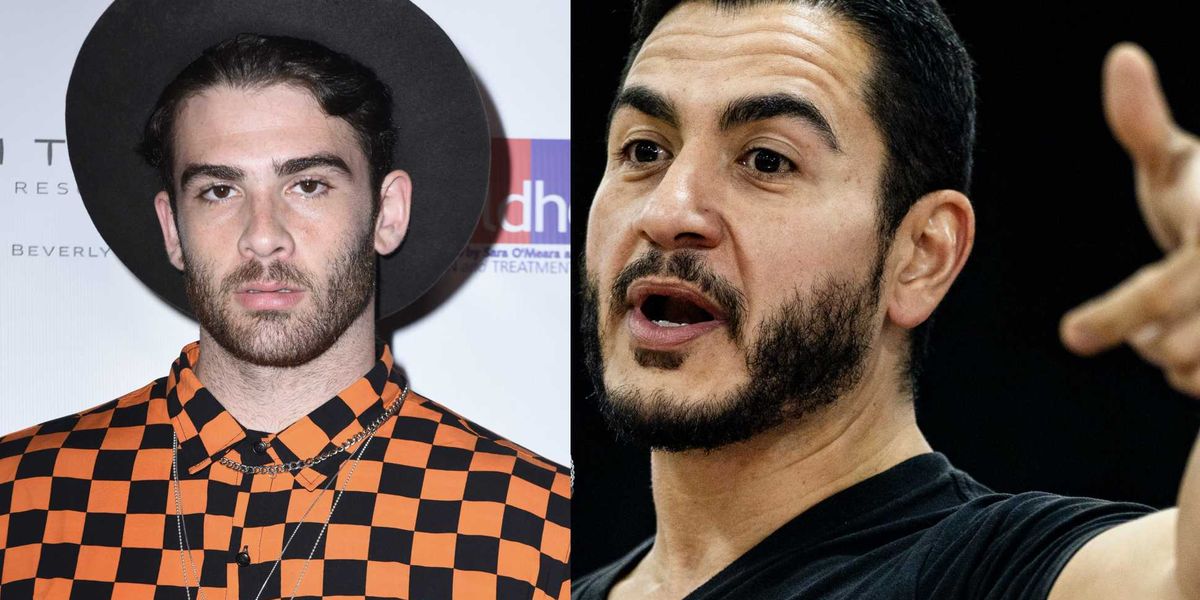
A new political ad is putting fresh pressure on Abdul El-Sayed by tying him to a loaded mix of figures, messages, and memories that still carry weight with voters. The spot leans hard on the emotional force of 9/11, using a familiar American wound to frame the race and stir up doubts about El-Sayed’s political circle and judgment.
The ad is built around a striking voice and a sharp contrast. It draws on the perspective of a 9/11 hero’s father, which gives the message an immediate edge and a personal sting that cuts deeper than a standard campaign attack. In politics, that kind of framing is never accidental, and it signals that the race is being pushed into territory where character and trust matter as much as policy.
What makes the ad stand out is the way it connects El-Sayed to controversy without needing a wall of explanation. Instead of a dry list of talking points, it relies on a simple, forceful narrative that tries to make voters feel the stakes before they sort through the details. That approach can be brutal in a campaign, especially when the audience already has strong feelings about security, national memory, and who deserves a pass.
Mike Rogers is the name most closely attached to the message, and the ad appears designed to strengthen his position by turning the spotlight away from routine campaign chatter and toward a much more emotional frame. Ads like this are meant to do two things at once, energize supporters and plant a seed of suspicion in everyone else. When the subject is a high-profile anniversary and a polarizing opponent, the impact can be immediate.
The inclusion of Hasan Piker in the conversation adds another layer of heat. For many voters, that name brings its own set of assumptions, and the ad seems eager to use that association to raise questions about El-Sayed’s broader political environment. That is campaign advertising in its most aggressive form, where the goal is not nuance, but a quick, memorable punch.
The 9/11 anniversary gives the whole message extra force because it lands in a space that Americans still treat with deep seriousness. Any ad that invokes that history has to walk a fine line, but the calculation here is obvious: remind voters of sacrifice, loss, and the cost of carelessness, then connect those feelings to a candidate under scrutiny. It is a high-voltage tactic, and campaigns use it because it works when the mood is right.
El-Sayed’s opponents are clearly betting that this kind of message will stick. Even voters who do not follow every twist of a campaign can absorb the basic impression fast if the ad is sharp enough and emotionally charged enough. That is the real power of a spot like this, since it does not have to win an argument in full, only make people pause long enough to question what they thought they knew.
At the same time, this kind of attack also reveals how tight and combative the race has become. When campaigns turn to a 9/11-themed message narrated through family pain, they are signaling that the fight is no longer about polite disagreement. It is about identity, trust, and whether one candidate can define the other before the other side gets the chance to respond.
