
• Congress is already tightening stock-trading rules
• A new GOP push targets indirect financial gain from earmarks
• The focus is on family ties, property values, and nonprofit benefits
• Past earmark controversies still hang over Washington
• The effort aims to block self-enrichment without stopping district projects
House Republicans are turning up the heat on a different kind of Washington hustle. After moving to clamp down on lawmaker stock trading, they are now aiming at the quieter, messier loophole that can let politicians cash in through earmarks, family ties, and rising property values.
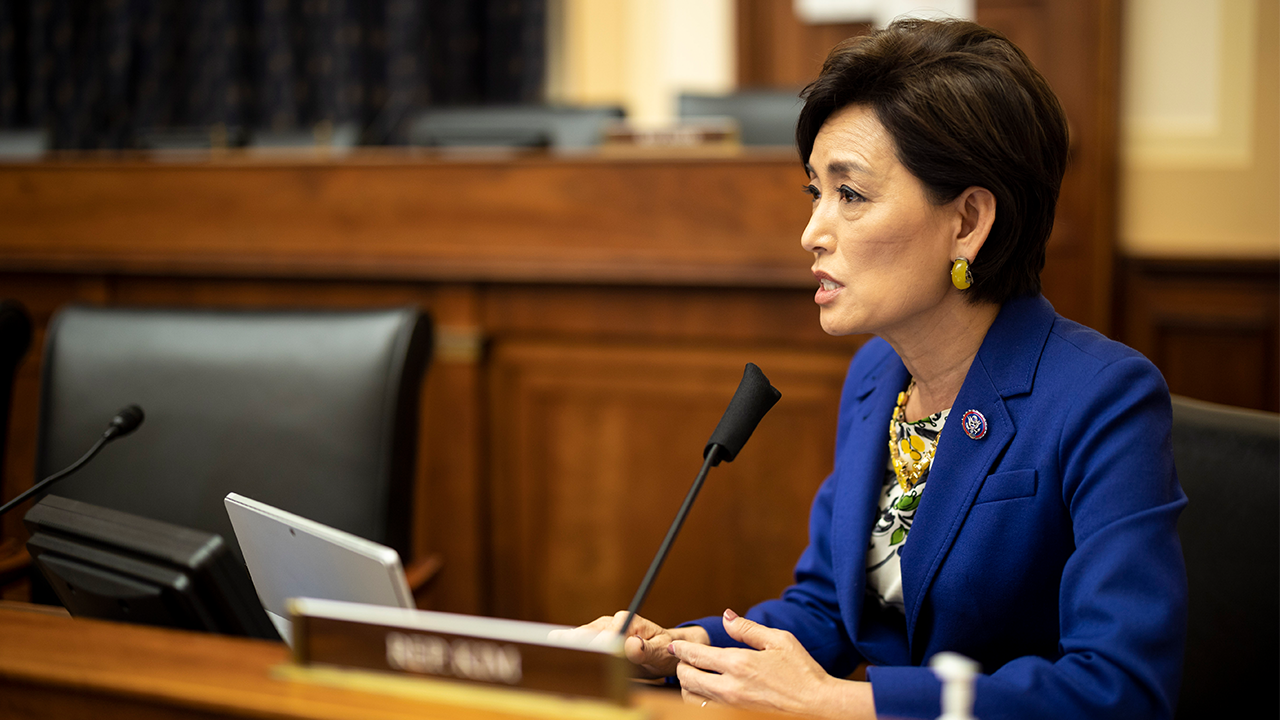
Rep. Young Kim of California is leading the charge with a resolution meant to stop members from using public spending as a private piggy bank. Her argument is simple and sharp: lawmakers should not be able to steer federal money toward projects that end up fattening their own wallets, or those of their spouses and children.
Kim says the problem is not always obvious on paper. A request can look like a normal community project, but it can still create a hidden payoff if it boosts land near a member’s property, helps a nonprofit tied to a spouse, or adds value to an asset the family already owns.
That is the part that makes people roll their eyes at Congress. Voters can accept a road, park, or community center when it truly serves the public, but they are a lot less patient when those projects seem designed to pad a lawmaker’s personal fortune on the side.
The push comes on the heels of a GOP-backed stock trading overhaul that forced members to give notice before certain trades and tightened the rules around buying and selling shares. That effort was framed as a clean break from the days when lawmakers could trade around information the public did not have.
Now the same anti-corruption instinct is being aimed at earmarks. Current House rules already require members to say they do not have a direct financial interest in a recipient, but Kim wants that guardrail widened to cover immediate family and indirect gains too.
She has been blunt about the risk. A member could, for example, steer money to a nonprofit where a spouse sits on the board, or back a project near a family-owned apartment building so the surrounding property becomes more valuable.
Another version of the same game is even simpler. Federal money can be used to improve a road, park, or public facility near rural land a member owns, and that boost can still show up later as a bigger sale price or a stronger investment.
The outrage here is not about helping communities. Kim has made clear that lawmakers should keep fighting for projects in their districts, especially when those projects protect people and deliver real public value. The line she wants drawn is between service and self-dealing.
That distinction matters because earmarks have always lived in a gray zone. Supporters call them a practical way to bring home resources, while critics see them as a playground for favors, influence, and the kind of political math that makes taxpayers furious.
The history helps explain why the issue still has bite. The old Alaska “Bridge to Nowhere” became a symbol of exactly the kind of wasteful spending that can turn into a scandal overnight, and it helped trigger a long shutdown on abusive earmarks years ago.
Even so, the temptation never really disappeared. Washington has seen plenty of members get dragged into public controversy over projects that seemed to help their own holdings, their friends, or their family networks more than the people who paid for them.
That is why Kim is pitching this as a common-sense cleanup, not a crusade against district funding. The idea is to let members keep advocating for their states and neighborhoods while closing the back door to quiet enrichment that can ride along with public money.
The timing is no accident either. With broader stock-trading restrictions already moving and public skepticism toward Congress still running hot, the appetite for tighter ethics rules is strong. For lawmakers who like the old free-for-all, that is bad news, because the pressure to explain every possible side benefit is only getting louder.
In Washington, the line between public service and personal gain has always been easy to blur. This new fight is about making that blur a lot harder to hide.

2 Comments
Not only congress! Bureaucrats as well.
apply to Senate & all Govt IF warranted