
Midterm elections usually hand the party in power a rough night, and that old pattern is once again hanging over Washington. But the bigger question is not whether Democrats have a historic opening, it is whether they are actually using it to talk about the issues voters feel every day, or to build a political machine aimed squarely at Donald Trump and his circle.
Over the past eight decades, the president’s party has regularly paid a price in House races, with losses in 18 of the last 20 midterms. That same push-pull dynamic is easy to spot: voters often want a check on the White House, while the side out of power stays fired up and turns out in force. Midterms are rarely gentle, and they are almost always a referendum on the people already holding the levers.
This cycle still carries that familiar danger for Republicans, especially with Democrats needing only a small pickup to flip control. Approval numbers below 45% for much of the year would normally set off alarms for the governing party. Add a narrow margin in the House, and the pressure only gets louder.
Yet this election is not unfolding on old, clean lines. Donald Trump is serving a second, nonconsecutive term, something that has happened only once before in American history. Grover Cleveland did it in the 1800s, and his return to office did not protect his party from a brutal political slap at the next midterm.
The map itself has also been scrambled by redistricting fights in multiple states. Texas tilted the field with several new Republican-leaning seats, while California pushed the other direction for Democrats. Other states moved in mixed ways, and a few maps were knocked down or left untouched, creating a landscape that still gives Republicans some natural strength.
That matters because the fancy models may point one way, but models are not ballots. The battlefield may lean slightly red overall, yet the race is still close enough that a small swing can change the entire picture. In a year like this, every message matters, and the message Democrats are sending looks badly out of sync with the mood on the ground.
They keep talking about affordability, which makes sense on the surface. Groceries, rent and healthcare are the kinds of issues that hit hard, and they poll well because families live them every week. But in practice, the party’s most visible energy seems to be going somewhere else entirely.
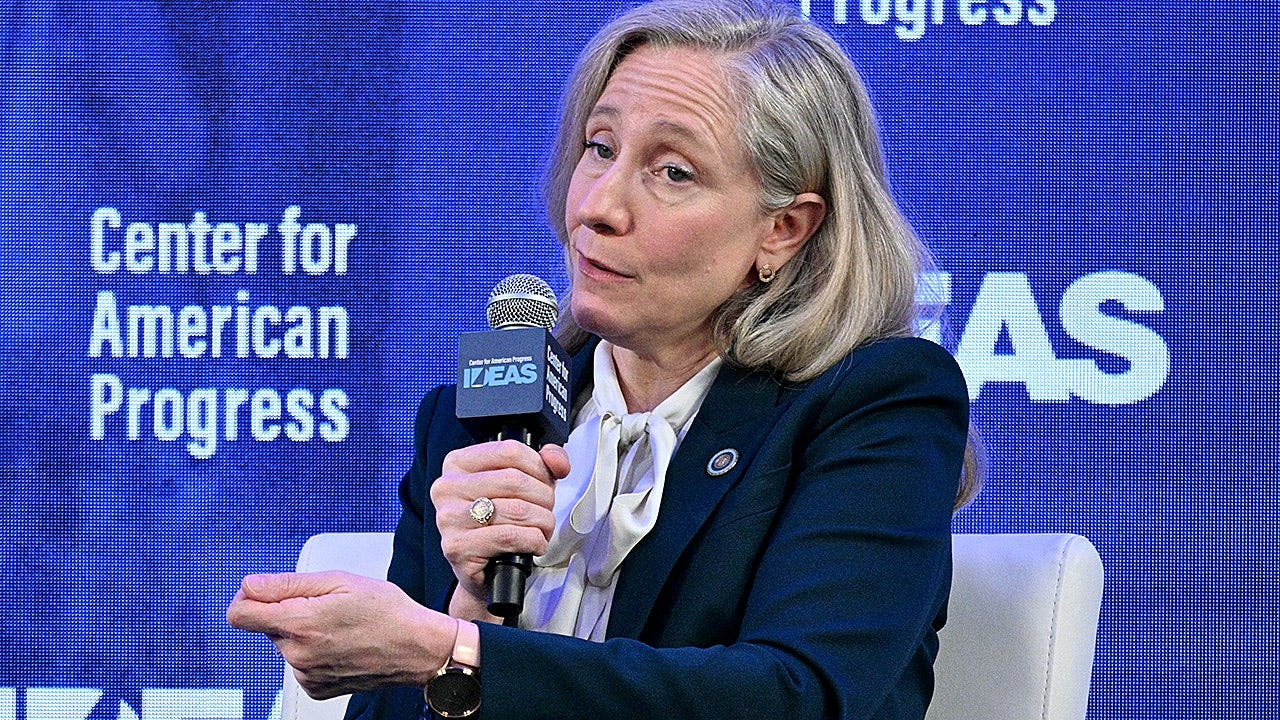
In places where Democrats already run things, the record is not exactly screaming kitchen-table realism. Virginia’s Abigail Spanberger rode in on the language of affordability, then backed redistricting after previously calling gerrymandering harmful to democracy. She also supported a broad gun restriction that has already run into serious legal trouble, which is a far cry from helping people keep up with basic costs.
Michigan provides another example of how quickly the rhetoric drifts from the wallet to the ideology. Abdul El-Sayed has leaned hard into Medicare for All and openly acknowledged that higher taxes would likely be part of the package for many people. That may be a clean message for activists, but it is not the kind of line that comforts a family watching bills pile up.
And that is where the political problem gets sharper. Instead of building around relief for working people, Democrats appear to be preparing for a broad investigative push if they take the House. Trump, his Cabinet and even his family are all being lined up as targets, with subpoenas and lawsuits already circling before voters have even cast their ballots.
That kind of focus can energize the base, but it does not answer the questions most voters are asking at the kitchen table. People want to know why prices still sting, why housing keeps slipping out of reach and why their paycheck disappears so quickly. If the main play is hunting political enemies, that gap between talking points and reality is going to stand out fast.
The irony is hard to miss. History is giving Democrats a real opening, maybe even a strong one, but they seem determined to treat it like a mission for revenge instead of a mandate to help. Elections have a way of exposing that kind of mismatch, and once voters sense it, they rarely forget it.

2 Comments
Democrats can not help, they have no ideas that will benefit the country. Their sole interest in power and control. They have proven many times over they can not govern without deceit and open graft.
Bad call Dems CANT work U lose doing this