
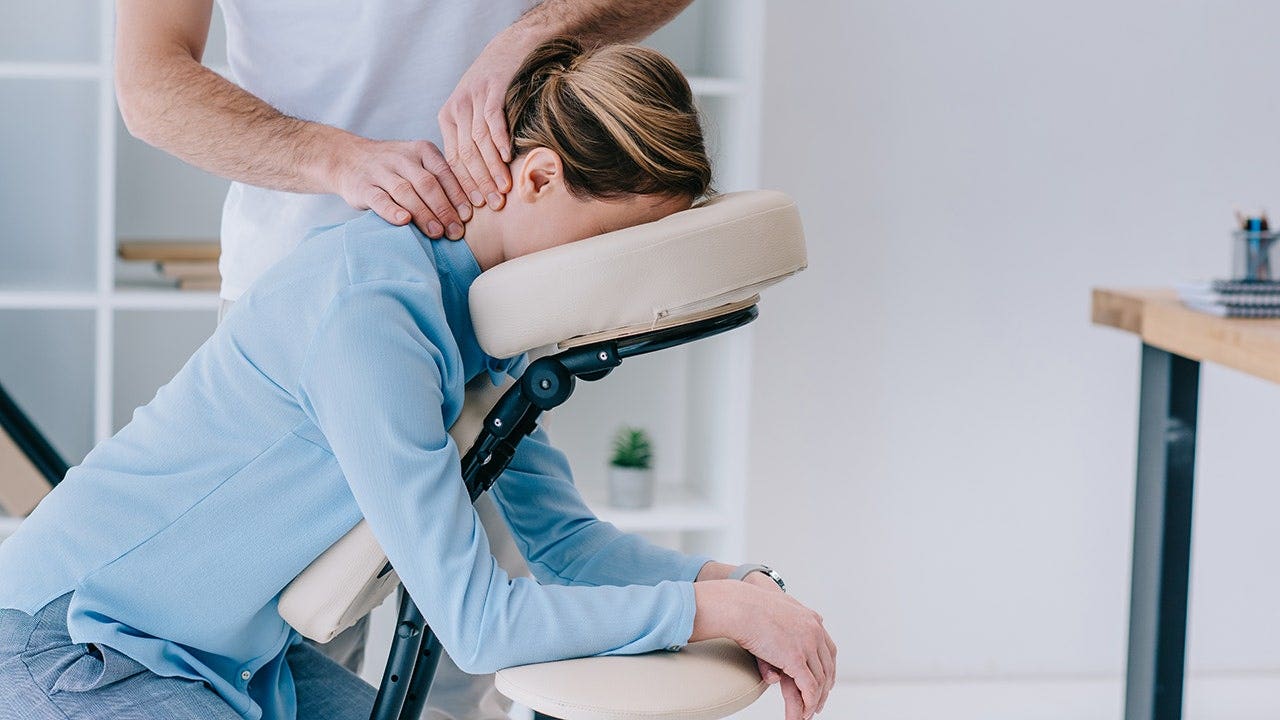
Massage can feel amazing in the moment, but a small number of people walk away feeling off afterward, with soreness, fatigue, and headaches that can last into the next day or two. The online nickname “massage flu” has stuck, even though it is not a real diagnosis and has nothing to do with catching an illness. What people are describing is usually a temporary reaction to pressure, tissue irritation, and the body’s normal response to being worked over.
Reports of this reaction have piled up on social media, where users often say they feel run-down, achy, or strangely similar to the start of a cold. That can sound alarming, especially for someone who expected a relaxing spa visit and instead got a sore back and a fuzzy head. Still, experts say the symptoms are real enough, even if the label makes the whole thing sound more dramatic than it is.
Physical therapists and chiropractors say the most common issue is simple mechanical stress. Deep pressure, especially on muscles that are already tight or unused to massage, can leave tissue feeling bruised and irritated. It is not unusual for someone to notice tenderness after a strong session, especially if the treatment was longer or more intense than what their body is used to.
A mild inflammatory response can also be part of the picture. That is the body’s normal way of reacting to stress on soft tissue, and it can show up as soreness or a heavy, fatigued feeling afterward. In that sense, the reaction is less mysterious than it sounds online and more like a temporary aftereffect of pushing muscles harder than usual.
Headaches can join the mix too, especially when a massage focuses on the neck, scalp, or jaw. Those areas are commonly tied to tension patterns, so if they are worked hard, some people may walk away with pressure or headache symptoms rather than relief. For someone already prone to tension headaches, that can make the aftermath feel even more confusing.
The “toxins being released” explanation gets tossed around a lot, but experts say that idea does not hold up. The liver and kidneys already handle waste removal, and massage does not magically flush out poison from the body. It is a catchy story, but it is not backed by science.
Most of the time, the discomfort fades within 24 to 48 hours and does not mean anything is wrong. Drinking water, eating something light before an appointment, and easing into gentler sessions can help reduce the odds of feeling wiped out afterward. People who want a deeper massage can usually work up to it instead of jumping straight into the most intense pressure available.
That gradual approach matters, especially for anyone new to massage or returning after a long break. Asking for less pressure is not a weakness, and a shorter session can still deliver the benefits without leaving the body feeling like it just ran a marathon. Gentle movement after the treatment can also help the muscles settle down instead of locking up.
There is a line between normal soreness and something that deserves attention. New pain that sticks around, gets worse, or shows up with fever, numbness, tingling, or spreading swelling should not be brushed off. If the body is sending a louder signal than ordinary post-massage tenderness, it is worth checking in with a doctor instead of assuming it is just part of the process.
Even for people who love massage, the aftermath can be a reminder that wellness treatments still have a physical cost. A session that feels soothing in the room can still leave the body processing the pressure afterward, and that contrast is part of why the “massage flu” label keeps circulating. The experience may pass quickly, but it can feel very real while it is happening.
