
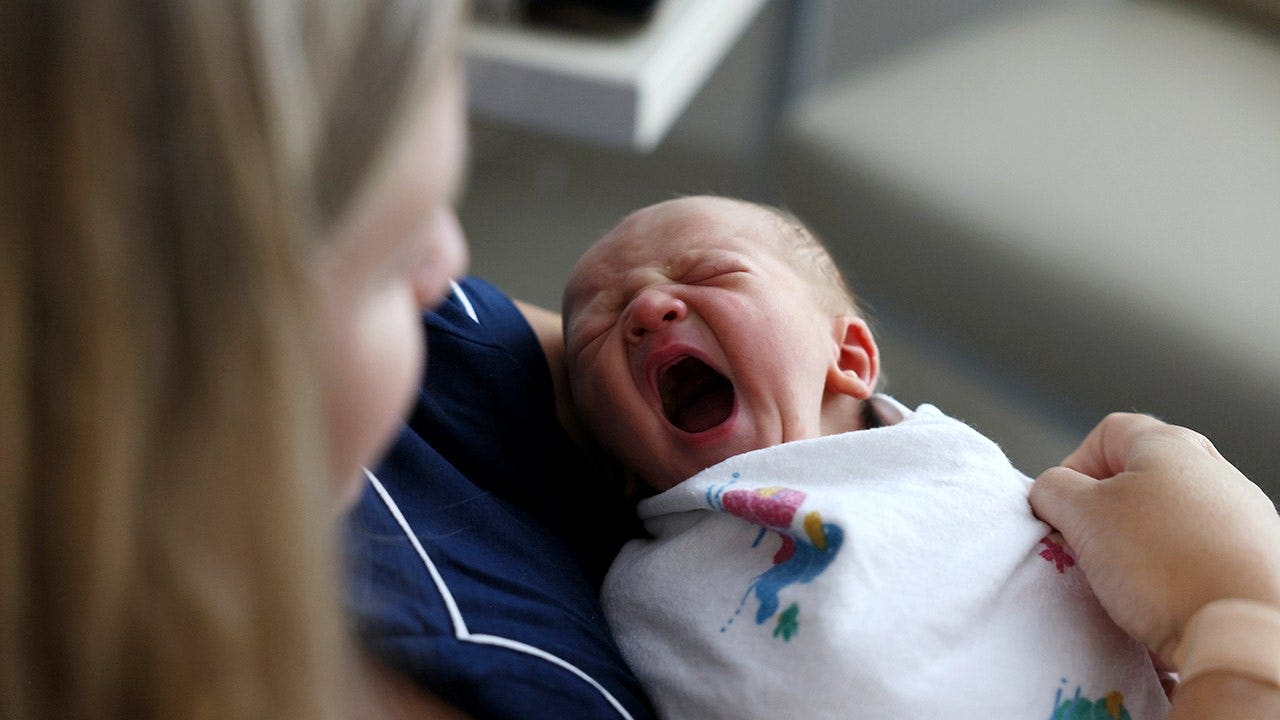
Massachusetts has poured fresh fuel on the fight over postpartum care, privacy, and the size of government. Gov. Maura Healey’s new funding push for home visits and maternal mental health support has some people calling it smart public health policy and others calling it a line too far.
The state is expanding the Welcome Family program with a $2 million investment, while also adding $250,000 to the Massachusetts Child Psychiatry Access Program for Moms. The first program sends nurses to the homes of new parents for voluntary visits after childbirth, and the second is aimed at helping providers spot and respond to maternal mental health issues.
Healey framed the effort as a practical way to catch problems early. She said the visits would give families a chance to get assessed soon after a baby arrives and connect with more support if needed.
The move has landed in the middle of a heightened public conversation about postpartum mental health in Massachusetts. That debate has intensified during the closely watched Lindsay Clancy case, which has drawn national attention far beyond the state.
Clancy, a former labor and delivery nurse, is accused of killing her three young children in January 2023. Her defense has argued that severe postpartum mental illness played a role, and the case ended in a mistrial after the jury could not reach a verdict.
That backdrop has made postpartum conditions more visible, and not in a neat, comfortable way. It has also pushed a lot of people to ask whether the system is doing enough, too much, or simply aiming at the wrong target.
State officials say the expanded program is meant to improve maternal health outcomes by connecting families to added support at a vulnerable time. The idea is simple enough on paper: bring help closer to home and make sure warning signs do not get missed.
Still, the response online showed just how quickly that kind of plan can turn into a bigger political brawl. Some critics argued that doctors and pediatricians already have the ability to screen patients and that government should not be sending people into private homes.
Others used even sharper language, calling the idea “creepy” and “massive government overreach.” The concern there is not just about healthcare, but about where public programs end and personal space begins.
Support was not absent, though it came with caveats. Some people said the proposal could make sense if it remains voluntary and does not become a mandate that families are forced to accept.
That distinction matters, because the program is designed as an offer rather than an order. For some families, especially new parents trying to keep their heads above water, a nurse visit could be a welcome hand instead of a hassle.
During those visits, nurses can answer questions about newborn care and screen for postpartum mental health concerns. That kind of check-in may sound routine to some and intrusive to others, which is exactly why the proposal has split opinion so sharply.
Healey also said the state is putting more focus on training healthcare providers to better recognize the signs of postpartum mental health conditions. That effort may prove less flashy than home visits, but it could end up being just as important in catching trouble early.
The whole dispute taps into a larger question that keeps coming up in state capitals: how far should government go when the goal is helping families? Taxpayer costs, personal privacy, medical access, and trust in public institutions all get dragged into the same conversation, and none of them stay quiet for long.
The reaction in Massachusetts shows how quickly a policy aimed at mothers and babies can become a broader argument about freedom and responsibility. And with postpartum mental health still under the spotlight, that argument is not going away anytime soon.
https://x.com/ohboyitscrazy/status/2101076362870010223
