
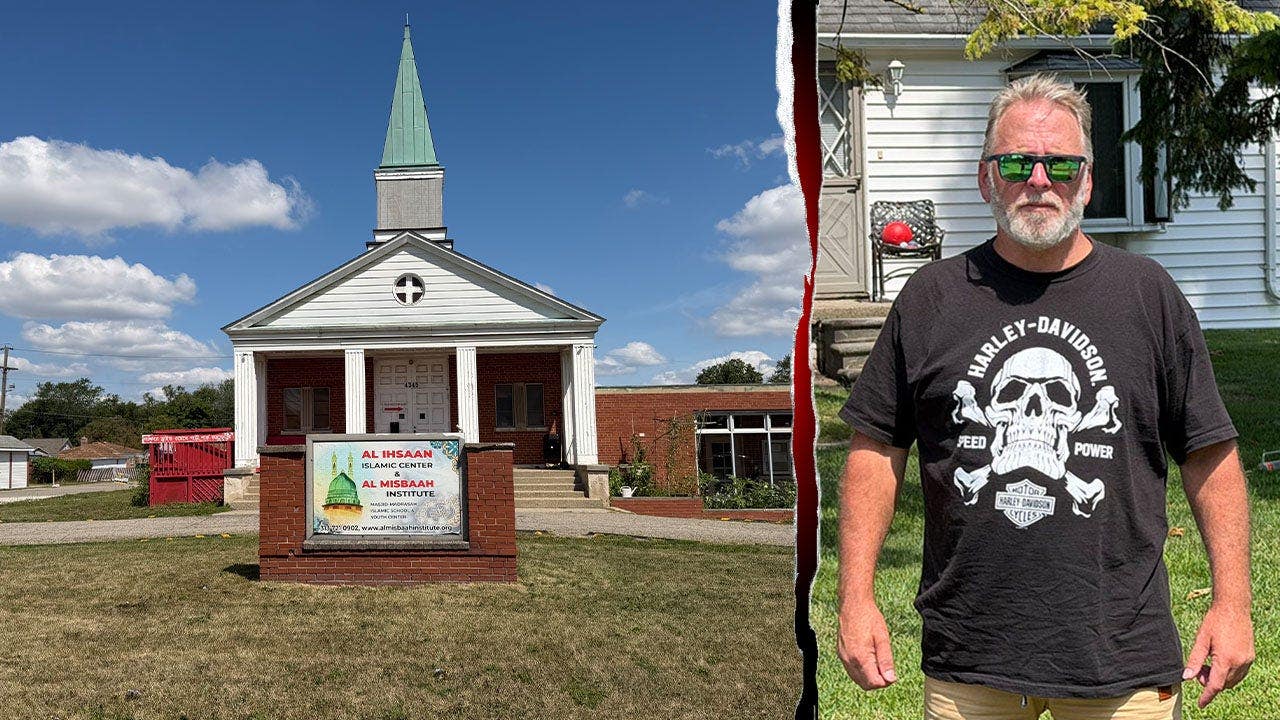
Neighbors in Warren, Michigan are sounding the alarm over a fast-changing neighborhood they say has been transformed by mosque conversions, growing crowds, and constant friction on the streets. Their complaints center on noise, parking, traffic, and a feeling that city leaders are not taking them seriously, even as officials push back on those claims.
WARREN, Mich. — For longtime residents, the block used to feel like a classic American suburb, the kind of place where Sunday church bells marked the rhythm of the week. One old Lutheran church still stands with its steep roofs and steeple, but the cross that once topped it is gone, replaced years ago after the property became the Al Ihsaan Islamic Center.
Justin Tye, who grew up in the area, says the change has been jarring. He remembers the church as a neighborhood anchor, a place where kids played and families knew one another, and he says that sense of stability has been steadily replaced by something else entirely.
The broader background around Warren is deeply tied to migration and industry. Lebanese, Iraqi, and Syrian immigrants, many of them Chaldean Christians, began settling around Detroit in the early 20th century, and the postwar auto boom brought even more growth as workers moved in for jobs at Ford and General Motors.
But residents say the more recent wave of newcomers has brought a different kind of strain. Tye says foreign-born Muslims began moving into the area in large numbers over the past decade, and he believes Warren has followed a path similar to nearby Dearborn, which has become a national flashpoint in its own right.
Within a small radius of his home, Tye says there are now several mosques, including former commercial buildings and houses of worship that changed hands over time. A residential zoning fight over another property trying to become a mosque only added to the tension, with neighbors and city leaders eventually blocking that move.
The biggest flashpoints, according to residents, come during prayers and holidays. Tye says one of the first big disruptions happened after Ramadan, when an unannounced Eid prayer drew a crowd and speakers filled the neighborhood with noise early in the morning.
From that point on, he says, the area never felt quiet again. Friday prayers, holiday gatherings, and heavy visitor traffic have left some neighbors feeling boxed in, especially when cars fill the streets and spill into driveways and lawns.
Wendy Schneider, who lives nearby, says she plans her errands around the busiest prayer times because leaving the house can feel risky. She points to traffic and parking problems as part of daily life now, and says the neighborhood has become less predictable and more stressful.
Some residents also say the change is showing up on the road. They describe erratic driving, confusion over local rules, and a general sense that the area has become harder to navigate, especially when large groups gather at once.
Tye says the frustration is not just about inconvenience. He believes the neighborhood has been fundamentally altered, and he says the people who have lived there for decades are being pushed aside in their own community.
Another longtime resident echoed that feeling, saying the shift has changed the character of the area and the types of businesses that open and close. A fourth neighbor, who grew up in Warren and later returned, said the changes are hard to ignore when familiar places keep disappearing.
The dispute is not only about who lives there, but who gets heard. Several residents say local officials and police have been slow to respond, while city hall says it has not received the complaints in the way residents describe them.
Mayor Lori Stone said her office takes resident concerns seriously and works to solve problems, but added that the claims she heard were too broad to verify without more detail. The Warren Police Department said it treats parking and noise complaints seriously and said previous calls in the area often found vehicles parked legally and noise that fell outside city restrictions.
Residents, though, say that answer misses the point. They argue that even when nothing is technically illegal, the constant pressure on the neighborhood has changed how they live, when they leave home, and how comfortable they feel on streets they once considered quiet and familiar.
