
- Why MTG: Arena still feels familiar
- How older Magic players can reconnect
- Playing Magic on a phone or laptop
- Using Arena to test cards and decks
- Why the digital version can help real-world play
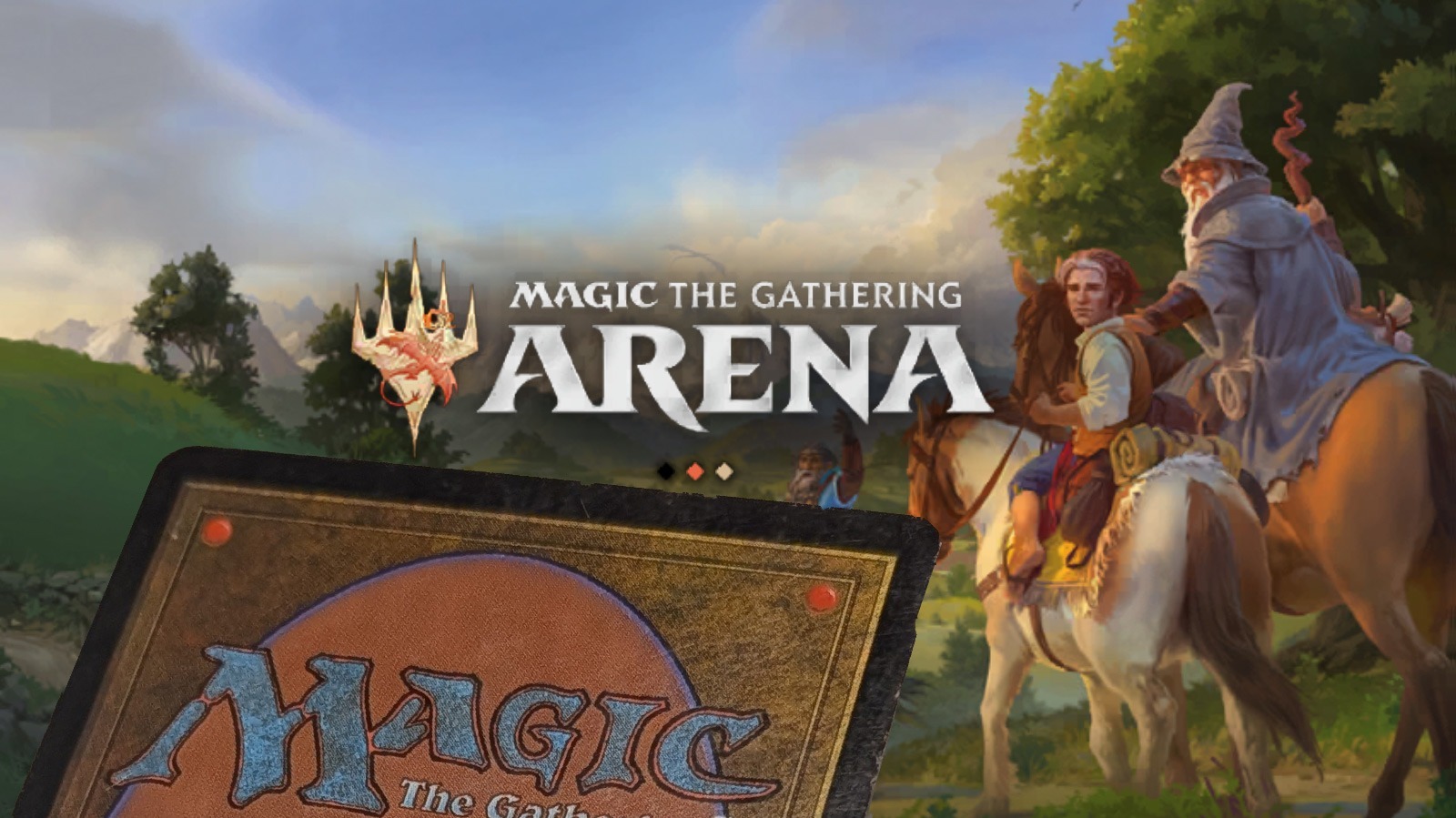
Magic: The Gathering Arena has become a surprisingly strong way back into a game that can feel both huge and strange after years away. It keeps the heart of Magic intact while making it easier to slide into a match on a phone, tablet, laptop, or desktop without needing a whole afternoon to set up a table. For players coming back after a long break, that alone can feel like a small miracle.
The appeal starts with the familiar rhythm. Draw cards, build a board, attack, defend, and try to outthink the other side before your life total disappears. That core loop is still there, but the modern version of Magic is packed with extra layers, and Arena brings those layers front and center.
For players who remember the game from the 1990s or early 2000s, that can be both exciting and a little jarring. The days of simple creature battles are mostly gone, replaced by decks that lean hard on tokens, counters, color combos, and chains of effects that can snowball fast. A match can go from calm to chaos in a flash, and Arena makes that chaos easy to jump into.
That said, Arena is not trying to be a museum piece. It does not hand over the old-school version of Magic with all the dusty nostalgia intact, and that is part of the point. It updates the experience for a newer era, with card sets and mechanics that reflect how the game has grown, even if that means some classic favorites stay outside the collection.
For longtime players who have drifted away, the app works as a low-friction return ticket. There is no need to find a local event, clear a whole evening, or remember every tiny rule interaction before sitting down. The app handles the messier parts, which makes it easier to focus on the parts that still matter most: deckbuilding, timing, and reading the other player.
That convenience matters even more for people whose free time has shrunk. Adult life has a nasty habit of eating up the hours that used to go to card shops, tournaments, and long kitchen-table games. Arena fits into the cracks of a busy day, and that makes it a very practical way to keep Magic in the picture without turning it into a project.
Mobile play is a huge part of the draw. Magic on a phone used to sound like a bad compromise, but Arena makes the format feel natural enough that quick matches do not feel like a gimmick. The touchscreen setup also helps the game feel immediate, which can be a big deal when the goal is to get one match in before the day gets away.
There is also something undeniably fun about the visual polish. Arena gives key cards and big moments a bit of spectacle, with effects that make dragons, spells, and battlefield swings feel dramatic without drowning the game in noise. When a huge creature lands and the screen reacts, it adds just enough flair to make the digital version feel alive.
For players who still buy physical cards, Arena can also serve as a smart testing ground. It gives a way to see which cards actually feel strong, which decks hold up, and which flashy ideas sound better on paper than they do in play. That makes it easier to decide where real money should go before opening packs or hunting singles.
There is real value in that kind of preview. Draft-style events and limited formats can show which cards fit a strategy and which ones just look good in theory. A few evenings in the app can save a lot of regret later, and that is a pretty appealing trade for anyone who has ever bought into a deck idea that fell apart the second it hit the table.
Even with all that, Arena is not a perfect replacement for paper Magic. The feel of shuffling a deck, seeing cards in hand, and sitting across from another player still has its own magic, literally and otherwise. But for anyone trying to rediscover the game in 2026, the app offers a way in that is fast, flexible, and much easier to live with than the old grind of finding time, space, and opponents.
