
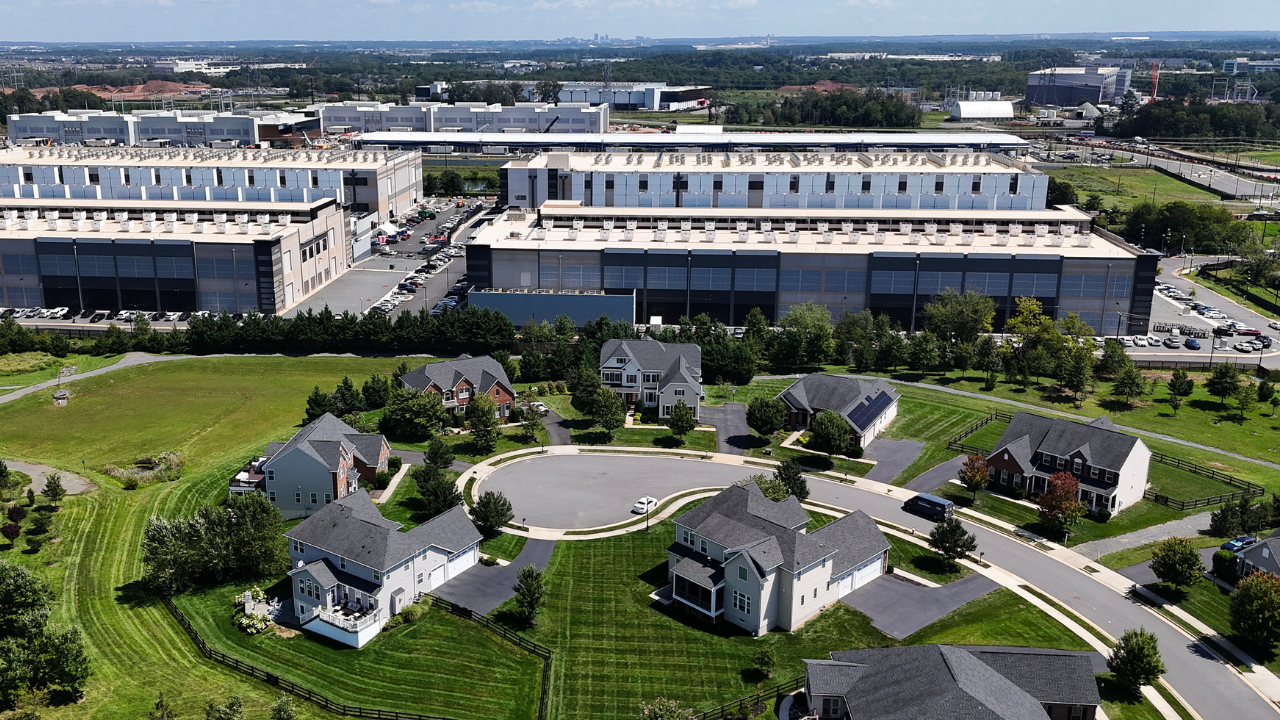
- House passage of the first data center bill
- Energy costs and grid upgrade burdens
- AI growth, affordability, and local backlash
- Bipartisan support and election-year politics
- State and community control over expansion
The House just put a sharp new spotlight on the fast-growing fight over who should pay for the power needed to feed America’s AI boom. With one lopsided vote, lawmakers backed a bill aimed at making large data centers cover the extra grid costs tied to their massive energy demands, a move that lands right in the middle of the affordability debate hitting families, farms and small businesses.
The Ratepayer Protection Act sailed through with rare bipartisan support, signaling that the politics around data centers are getting harder to ignore. What used to sound like a niche technology issue now looks a lot like a kitchen-table problem, especially as electricity bills climb and communities start asking why private companies should get a free ride on public infrastructure.
The bill does not ban data centers, and it does not try to slam the brakes on the AI race. Instead, it updates existing energy policy so states must consider a federal standard that says giant facilities using 100 megawatts or more would be on the hook for the full added cost of generation, transmission and distribution upgrades built to serve them.
That detail matters because the real fight is not about whether data centers should exist. It is about whether ordinary ratepayers should be stuck subsidizing a business model that can chew through electricity at a staggering pace, then pass the tab to everyone else when the grid needs to grow around it.
The bill’s sponsor, Rep. Gabe Evans, framed the issue in plain terms: America can lead in AI without asking local communities to foot the bill for the power-hungry infrastructure that makes it possible. He argued that the country can stay competitive without turning families into involuntary investors in Big Tech’s expansion.
Democratic co-sponsor Rep. Kathy Castor made a similar point from a different angle, tying the issue to rising utility costs that already sting in places like Florida. Her message landed on the same basic idea, that ratepayers should not be forced to carry the weight of soaring demand from wealthy corporations building out massive server farms.
The political ripple effect is already visible beyond Washington. In campaign after campaign, candidates are realizing that data centers are no longer just a jobs-and-growth talking point, because voters are now hearing about them in the same breath as higher bills, local zoning fights and pressure on the power grid.
That is part of why the issue has started showing up as a proxy battle over affordability and regulation. Democrats have leaned into the consumer-cost argument, while Republicans have focused on a straightforward fairness message, saying communities should not be forced into deals that hand private industry a subsidy at the public’s expense.
North Carolina has become one of the clearest examples of how fast the politics can shift. Roy Cooper, who once praised data center growth as a job creator, has since taken a more cautious tone, stressing local control and insisting that data centers should pay for the energy they use without dumping costs onto consumers.
His opponent, Michael Whatley, has taken a similar stance on the core point that local communities should get a real say. That kind of overlap says a lot about where the debate is heading, because even as candidates disagree on plenty of issues, the pressure to protect ratepayers from runaway energy costs is turning into common ground.
The bigger tension sits right in the middle of America’s AI ambitions. The technology boom needs huge amounts of electricity, but the public patience for blank checks is thin, and voters are increasingly asking why the most profitable companies in the world should get special treatment when the grid needs expensive upgrades.
For now, the bill moves to the Senate with its future still wide open, but the argument it sparked is already much larger than one piece of legislation. It reaches into power markets, local permitting fights and campaign messaging, where the next round of AI expansion is likely to run straight into the next round of ratepayer frustration.
