
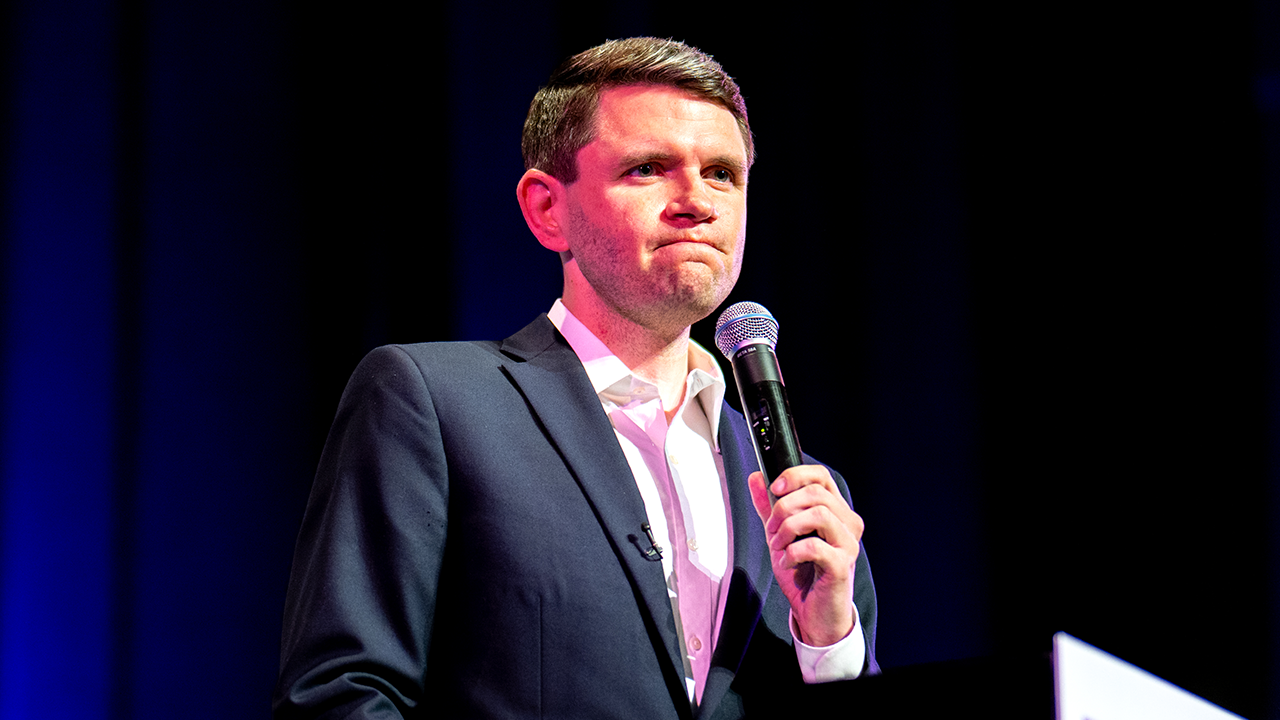
Texas Senate candidate James Talarico is under fresh scrutiny after an older interview clip resurfaced and put his views on democracy, American identity, and political messaging back in the spotlight. The renewed attention has only sharpened the contrast between his campaign’s defense and the sharp criticism coming from Republicans and conservative voices online.
Talarico’s 2024 comments came from a June 2 appearance on “The Weekend Show” with Anthony Davis on the MeidasTouch Network, long before he became the Democratic nominee for U.S. Senate in Texas. In that interview, he said the United States was “backsliding” on democracy and argued that Americans could learn from nations in Western Europe.
“We haven’t lived up to the promise of democracy,” Talarico said. “And of course, some countries are farther along than others, and sadly, here in America, where that experiment started, we are backsliding.” The line landed hard when it resurfaced, especially because it wasn’t just a passing comment. It came across as a broad judgment about the country itself, and that made it easy ammunition for critics.
He kept going with the same theme, saying the problem was bigger than one election cycle or one political fight. “And that troubles me greatly,” he continued. “But all of us still have so much more work to do to create a true democracy.” That message may have sounded thoughtful in a podcast setting, but on the campaign trail, it is a different beast entirely.
Talarico then pointed to Western Europe as a model, saying Americans should look there for “inspiration” on how to keep improving the system. He described the goal as reaching “a true democracy, of a beloved community,” language that fits a progressive pitch but also invites a wave of backlash from voters who see America as the standard, not the student.
The clip picked up steam again on social media this week, and Elon Musk added a blunt one-word reply: “No.” That response helped amplify the moment even further, turning a dusty interview into a live political headache. Once a comment gets that kind of lift, it stops being about the original setting and becomes a brand problem.
Talarico’s campaign moved quickly to soften the blow. Spokesperson JT Ennis said, “James agrees with the majority of Texans that America is the greatest country in the world, Texas is the greatest state in the union, and we should always fight for a more perfect union,” a statement aimed squarely at calming down the outrage without giving much ground. It was a careful line, the kind campaigns use when they need to reassure voters without reopening the wound.
The Senate candidate, a former middle school teacher and Presbyterian seminarian, has been drawing national attention for months, and not always for the reasons a campaign wants. He entered the spotlight after winning the Democratic nomination and now faces Republican Texas Attorney General Ken Paxton in a race that has already turned fierce. In a state this big and this political, every old quote can become a weapon.
Republicans have made a habit of circling his past remarks, especially the ones that sound tailor-made for opposition ads. His comments about being a Christian who “hates Christianity,” along with claims that “God is nonbinary” and that there are six biological sexes, have already fueled criticism, and the resurfaced democracy clip gives opponents fresh material. Campaigns love to talk about vision, but they usually hate it when the conversation turns to what was said before the cameras were pointed their way.
That wider fight over Talarico’s image has also included a heated debate over symbols and values. In July, the conservative political action committee Lone Star Liberty labeled him an “America-laster” after he called the American flag a “complicated symbol,” while his campaign said he sees the flag as standing for “freedom, opportunity, and hope.” In a race this charged, even the flag becomes part of the larger argument about who speaks for Texas and who gets to define patriotism.
