
Artificial intelligence is starting to move from buzzword to bedside, and medicine is feeling the impact in very real ways. From cancer care to fertility treatment and drug discovery, AI is helping researchers spot patterns, test ideas faster, and personalize care in ways that were clumsy or impossible before. The exciting part is not just speed, but precision, because the same technology can zero in on a tumor’s mutations, scan for a hidden sperm cell, or suggest new uses for medicines already sitting on pharmacy shelves.
One of the biggest headlines comes from melanoma research, where AI is helping shape a highly individualized treatment strategy. Moderna and Merck have reported encouraging Phase 3 results for an experimental therapy that uses a patient’s own tumor data to guide treatment design. The approach is built around the idea that cancer is not one-size-fits-all, and the immune system can be trained to recognize the unique targets inside a person’s disease.
That matters because melanoma can be aggressive, even after surgery removes the visible cancer. In the study, researchers tested the therapy alongside Keytruda in more than 1,100 people with high-risk melanoma, and the combination reached important goals tied to recurrence and spread. The early signal is strong, but the therapy is still investigational, so the gap between promising data and everyday care remains very real.
AI is also opening doors by looking at old drugs with fresh eyes. Instead of spending years building something brand new, researchers are asking whether approved medicines might already have hidden value for a different disease. That is the mission behind Every Cure and the federal MATRIX project, both of which use machine learning to dig through massive biomedical data and find drug-disease matches worth a closer look.
This kind of search can turn up options that would otherwise stay buried in the noise. It does not prove a medicine will work for another condition, but it can narrow the field dramatically and point scientists toward the most promising ideas. For patients with rare or hard-to-treat illnesses, that can feel like finding a flashlight in a very dark room.
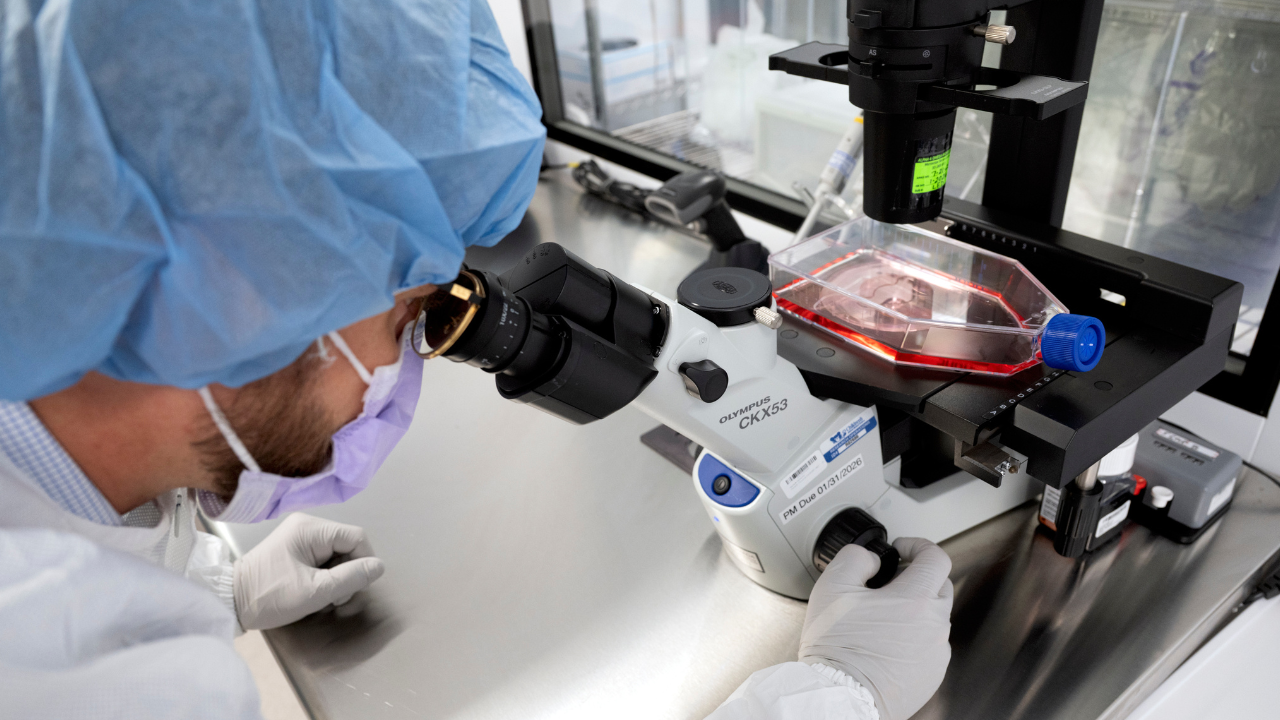
Fertility care is another place where AI is making a real difference. At Columbia University Fertility Center, researchers built a system that scans semen samples for sperm cells that human examiners might miss, especially in cases where sperm are extremely rare. The technology combines high-speed imaging, AI detection, and microfluidics to isolate cells once they are found.
The numbers are what make the story land. In one validation sample, experts searched for two days without finding anything, while the AI-based system identified 44 sperm in about an hour. That kind of result does not solve infertility overnight, but it can change the odds for couples who have been running into dead ends for years. It is also a reminder that AI does its best work when the task is repetitive, tiny, and easy for people to overlook.
That same logic is showing up in heart disease research. Scientists at the University of Hong Kong developed CardiOmicScore, an AI tool that analyzes proteins, metabolites, and genomic data from blood to estimate future cardiovascular risk. The system looks for trouble long before symptoms appear, with the potential to flag higher risk years in advance.
Early warning like that could reshape prevention. Instead of waiting for a stroke, heart failure, or another major event, doctors might someday have a much earlier signal to act on. For now, though, it remains a research tool, not something patients can request as a routine screening test at the clinic.
Another promising angle is the use of lab-grown tumor models, or organoids, to guide treatment decisions. At UCLA, researchers are using 3D bioprinting, imaging, and AI to watch how tiny replicas of tumors respond to different drugs. Because tumors can behave differently from one patient to another, and even from one part of the same tumor to another, that extra layer of analysis can be powerful.
There is also growing interest in speech and voice as a health signal. Researchers are studying whether AI can pick up changes linked to ALS and Parkinson’s disease, especially when speech or swallowing patterns begin to shift. The field is still early, but it points to a future where a voice recording could reveal more than people expect, long before a condition becomes obvious in the clinic.
For everyday patients, the big takeaway is simple: AI is becoming part of healthcare in quiet, practical ways. It may help a doctor review a scan, support a lab searching for the right cells, or guide researchers toward a treatment that would otherwise never make the shortlist. The technology is moving fast, and the science is getting sharper, which makes the next wave of medical progress feel closer than it did just a few years ago.
