
Checklist:
- The return of a major faith-based film to theaters
- Why the movie still hits hard years later
- How younger audiences are connecting with Christian stories
- The wider appetite for religious entertainment
- The film’s place in a culture hungry for meaning
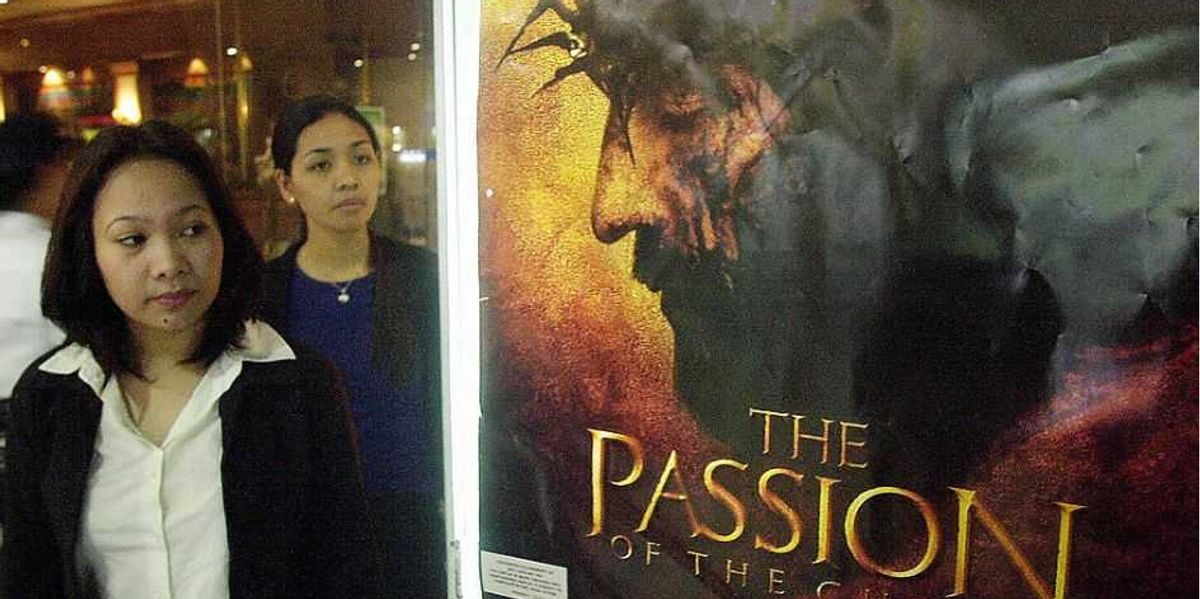
The Passion of the Christ is heading back to cinemas, and that alone says plenty about where culture is right now. In a noisy entertainment world packed with empty spectacle, a film built around sacrifice, suffering, and redemption still has the power to stop people cold. Its return feels less like a nostalgia move and more like proof that audiences are still hungry for stories that actually mean something.
When the movie first arrived, it hit like a hammer. It was raw, intense, and impossible to shrug off, even for people who rarely thought about biblical stories in any serious way. That kind of reaction does not fade easily, because the film was never designed to be comfortable; it was designed to confront viewers with the weight of the crucifixion in a way that left an imprint.
Part of the reason it keeps landing is that it refuses to soften the edges. Modern entertainment often tries to sand everything down, making pain smaller and faith safer, but this story does the opposite. It puts suffering, betrayal, and grace right in the center of the frame, and that directness still matters in an era when so much content feels disposable.
The timing of the rerelease also speaks volumes. Faith-based storytelling has been gaining real traction, and not just with older audiences who grew up on traditional church culture. Younger viewers, especially Gen Z, have shown a surprising openness to religious themes when the stories feel authentic, visually strong, and emotionally honest.
That shift is impossible to miss. Shows like The Chosen have helped create a space where biblical storytelling does not feel dusty or distant, and movies like this one remind audiences that Scripture can still shake up the screen. There is a growing appetite for content that treats faith seriously instead of using it as a punchline or a prop.
For a generation that has grown up around anxiety, division, and nonstop digital noise, the attraction makes sense. Big questions do not go away just because the feed keeps scrolling, and stories about suffering, forgiveness, and hope hit differently when life feels unsettled. That is one reason a film centered on the final hours of Christ can still draw attention in a marketplace obsessed with the next quick distraction.
The movie also lands in a wider cultural moment where people are taking a harder look at life, death, and moral responsibility. Conversations around abortion, euthanasia, and the value of human life keep resurfacing, and faith-driven art often reaches into those deeper waters without needing to turn into a lecture. A film like this carries its message through images and emotion, which can be far more powerful than a speech.
Mel Gibson’s film was always bigger than just one release window. It became a touchstone for believers who wanted to see their faith treated with seriousness and cinematic force, and it also challenged critics who assumed religious audiences had no appetite for premium storytelling. Its endurance says that a well-made Christian film can still command attention when it refuses to play small.
That is why the return to theaters matters beyond the box office. It is another reminder that gospel-centered stories are not fading into the background, even in a culture that often acts like belief has become outdated. The demand is still there, and every packed seat is another sign that the old assumption about faith and entertainment was wrong from the start.
As the film finds its way back onto the big screen, it meets a new wave of viewers who may not have seen it the first time around. Some will come for the reputation, some for the religious significance, and some because they want a story that feels bigger than the usual studio formula. Either way, the movie steps back into the spotlight with the same blunt force it always had.
