
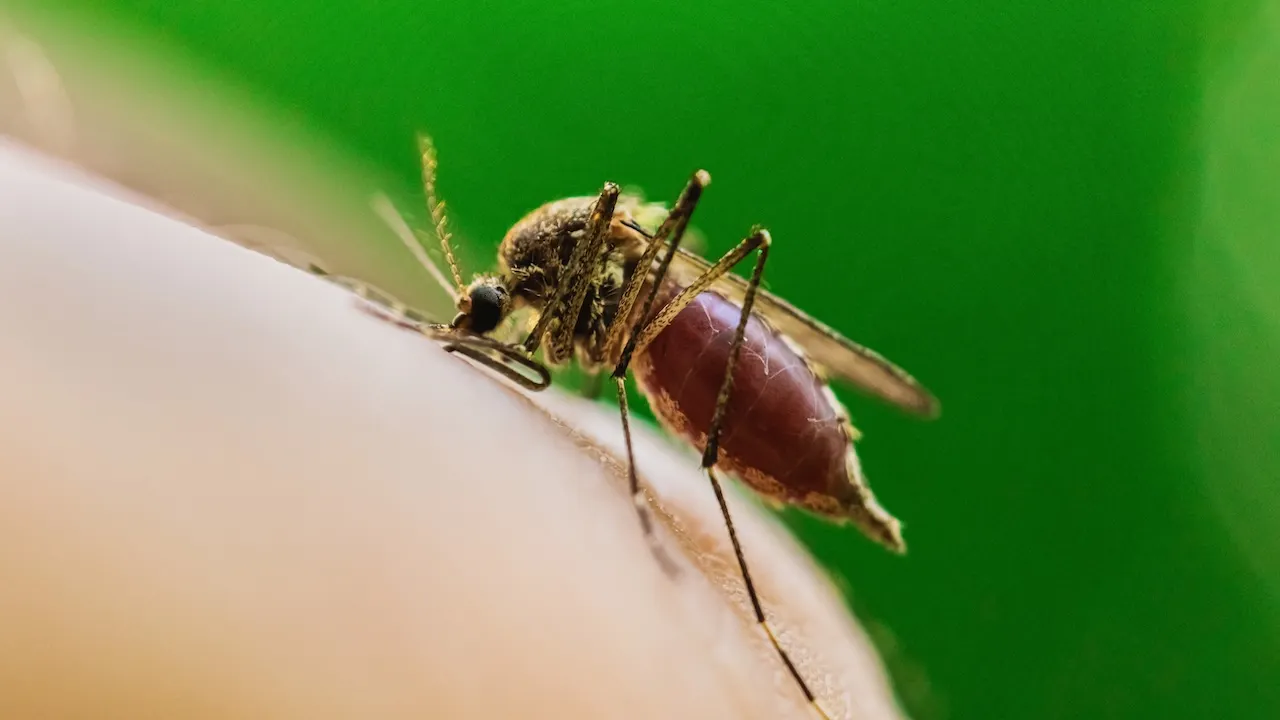
West Nile virus is moving through Chicago and other parts of Illinois with real force this year, and the city has now recorded its first death tied to the mosquito-borne illness. Health officials say the risk is being driven by a wet summer, active mosquito breeding, and continued spread across the state. CDC data also shows a heavy national toll, with hundreds of human cases already reported and serious neurological illness making up a large share of them.
Chicago’s Department of Public Health confirmed the fatal case while noting that several other infections have been identified in Illinois. The virus usually reaches people through the bite of an infected mosquito, though birds play a key role in keeping the cycle going. Once mosquitoes feed on infected birds, they can pass the virus on to humans and keep outbreaks rolling through neighborhoods.
City officials say the summer weather has not helped. With repeated rain and standing water, mosquitoes have had plenty of places to multiply, and that makes the spread harder to slow down. To fight back, the health department has already sprayed insecticide in a long list of community areas, including Beverly, Chatham, Morgan Park, the Near West Side, O’Hare, Roseland, West Lawn and West Pullman.
For most people, West Nile does not hit like a nightmare right away. Many infections cause no symptoms at all, while others bring a short spell of fever, body aches, headache or rash that can feel a lot like the flu. That makes the virus easy to miss at first, especially when people assume they are just dealing with a routine summer bug.
The danger comes when the virus goes beyond that mild stage and reaches the nervous system. In rare cases, it can lead to meningitis, encephalitis, paralysis or death, and those severe outcomes are what health experts watch for most closely. Adults over 50 and people with weakened immune systems face the greatest risk, which is why even ordinary symptoms can turn urgent fast in the wrong patient.
Dr. Tyler Evans said the tricky part is that early symptoms often blend in with other common illnesses. “Of those who do have symptoms, about 20%, maybe 25%, will have the flu-like symptoms — fever, headache, body aches — and it’s very hard to distinguish between that and flu,” he said. But if the illness starts to look neurological, the warning signs should not be brushed off.
Evans pointed to severe headaches, stiff neck, confusion, vision loss and disorientation as red flags that call for immediate medical attention. He said that risk climbs even more for people over 65 and for those with conditions that weaken the immune system, including severe diabetes and cancer. “When there’s inflammation that leads to meningitis or encephalitis, that’s very bad,” he said.
There is still no vaccine and no specific cure for West Nile virus, so treatment is mostly supportive. That means rest, fluids and close monitoring for people with milder illness, while emergency care is needed when symptoms turn serious. For older adults and people with immune problems, waiting around can be a dangerous move if confusion, headache or neck stiffness shows up.
Prevention is still the smartest play, and it starts with dodging mosquito bites whenever possible. Evans recommends insect repellent with at least 30% DEET for adults, especially in places where mosquitoes are thick. He also suggests limiting time outdoors around sundown, when mosquitoes tend to be most active and bites are more likely to happen.
The broader U.S. picture is already sobering. CDC preliminary data, current as of Sept. 1, shows 407 reported human cases this year, including 285 severe neuroinvasive cases and 23 deaths, which is a reminder that this is not just a local headache. Most West Nile cases usually show up in August and September, and that timing lines up with the part of the season when mosquitoes are still hungry and summer is far from over.
