
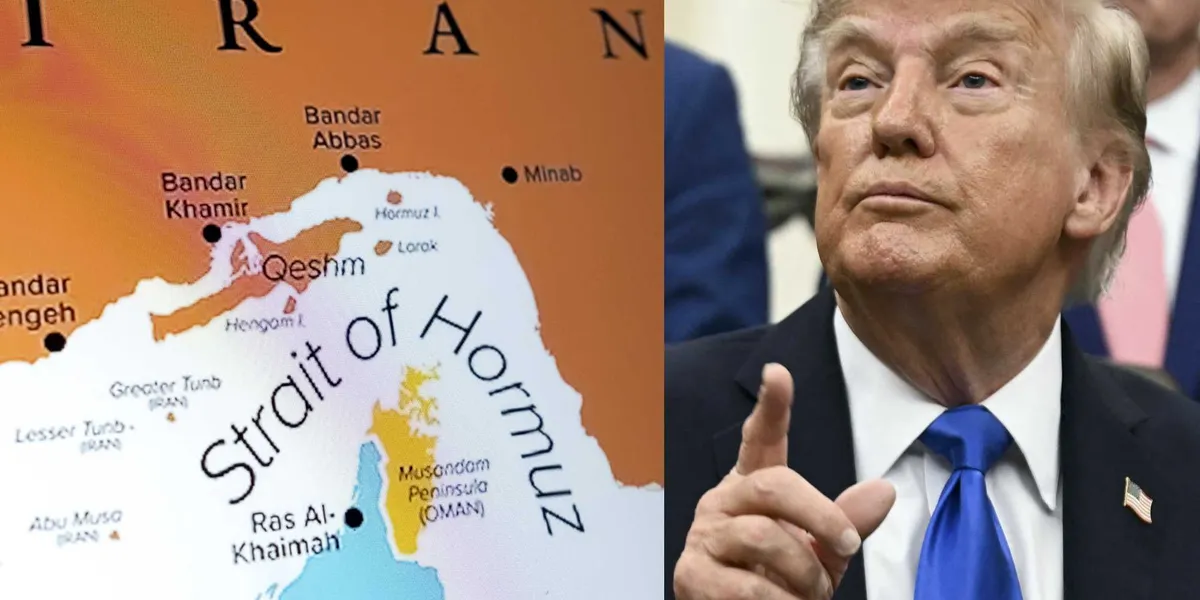
Trump’s latest shot at the Strait of Hormuz has the kind of sharp edge that gets attention fast, especially with gas prices and Middle East tensions always hanging in the background. The message was less about geography and more about pressure, trade, and the old habit of turning a chokepoint into a political headline.
The Strait of Hormuz matters because it sits at the center of global energy traffic. A huge share of the world’s oil moves through that narrow waterway, so any talk around it instantly ripples far beyond the Gulf. That is why even a casual-sounding comment can land like a warning shot.
Trump’s style has always leaned toward provocation, and this moment fits the pattern. He knows names, nicknames, and quick phrases can dominate a news cycle faster than a policy paper ever could. When he tosses out a line about making the strait sound “hotter” than ever, the point is to put adversaries and critics on edge.
For people watching gas prices, the connection is obvious. Any disruption in the Middle East can stir fear in energy markets, and fear alone can move prices before a single barrel is delayed. That makes the Strait of Hormuz more than a dot on a map. It becomes a symbol of how fragile the whole system can feel.
The bigger backdrop is the same one that keeps returning to Washington politics: how far the United States should go in confronting Iran and protecting shipping lanes. Supporters of a tougher line argue that weakness invites trouble, while critics warn that every sharp word raises the odds of escalation. Trump’s rhetoric usually lands squarely in the first camp, where forceful language is part of the strategy.
There is also the political theater of it all. Trump has a way of taking a serious issue and making it sound like a dare, which keeps his base engaged and his opponents irritated. That combination has long been one of his strongest tools, because it turns foreign policy into something that feels immediate, personal, and hard to ignore.
At the same time, the Strait of Hormuz is not some abstract campaign prop. It is a real pressure point with real consequences for shipping, energy costs, and military planning. Any hint that the region could become “hotter” sends a signal that the stakes are rising, even if the line was meant more as a jab than a forecast.
That is what makes this kind of comment sticky. It sits right at the intersection of spectacle and substance, where Trump often thrives. The public hears the punchline first, then the serious part sneaks in behind it: if tensions flare in that narrow waterway, the effects do not stay local for long.
