
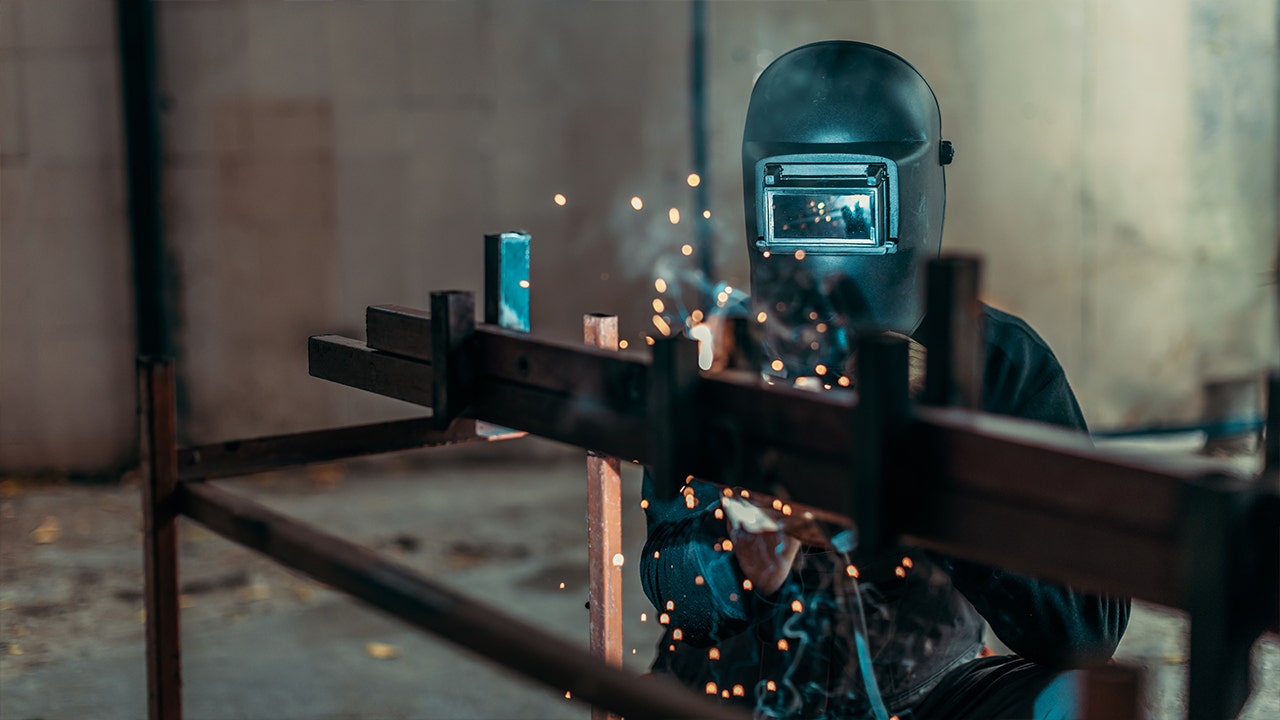
America’s defense buildout depends on a steady supply of skilled hands, but California’s cost of living is pushing those hands away. The state sits at the center of the nation’s aerospace and defense world, yet the people who weld, machine, repair and maintain critical systems are finding it harder to stay put. That gap is becoming a real threat to the industrial base that supports national security.
California should be a magnet for this talent. Instead, it has become a place where a strong paycheck can still feel too small once rent, gas, electricity, insurance, food and taxes take their bite. A career that pays around $90,000 to $100,000 a year sounds solid on paper, but in much of the state it does not stretch nearly far enough to build a stable life.
The state’s defense ecosystem is massive, with more than 30 major military installations and a long history of producing world-class aerospace work. That legacy matters because these jobs are not filler positions, they are the backbone of shipbuilding, aircraft maintenance, missile production and advanced manufacturing. If the workers cannot afford to live nearby, the whole system starts to wobble.
This is not just a California problem, either. The defense industrial base is already dealing with an aging workforce and a shortage of skilled tradespeople across the country. As older workers retire, too few younger Americans are stepping in fast enough to replace them, and that leaves major holes in the pipeline.
Part of the fix starts with how Americans think about work. For too long, success was treated like a four-year degree or nothing, even though plenty of great careers begin in the trades. Apprenticeships and technical training let young people earn while they learn, build real skills, and avoid piling up debt before they ever get to work.
That path is especially attractive when the alternative is years of tuition payments and an uncertain entry into the job market. A machinist, diesel mechanic, welder or heavy-equipment operator can start building a career quickly, often well before many college graduates find their footing. These are not second-tier jobs, they are essential jobs that keep America running.
Artificial intelligence may shake up office work, but it is not going to weld a ship hull or repair a jet engine. It will not machine precision parts, maintain aircraft on a flight line or keep heavy equipment moving in the field. The country still needs people who can do the physical, technical work that machines alone cannot handle.
Washington has already started nudging the country back toward practical training, apprenticeships and career education. That push is useful, but federal action only goes so far when state policy makes daily life so expensive that workers leave anyway. Sacramento has to stop treating workforce development like a classroom problem and start treating affordability like an industrial policy problem.
That means more housing, fewer needless barriers, lower energy costs and a better climate for employers who want to expand. It also means making it easier for manufacturers to build, hire and grow without getting buried in red tape. If the state wants to keep the next generation of skilled workers, it has to offer more than a good job title and a brutal rent bill.
California once sold opportunity, mobility and the chance to build something big. That is still possible, but only if the state remembers that workers need a place to live just as much as they need a place to punch a clock. The future of America’s arsenal, and the future of California’s own prosperity, depends on making those careers worth staying for.
