
Ibn Khaldun had a knack for putting human behavior into hard economic terms, and that is what makes his old warning feel so current. His thinking on taxes, trade, and state power lands squarely on today’s fights over city-run grocery stores, heavy-handed policy, and the slow squeeze that can follow when government tries to become a competitor instead of a referee.
Centuries before modern economists drew tidy charts, Khaldun described a cycle that starts with low taxes, productive energy, and growing public revenue. Then come rising demands, bigger spending, more extraction, and a creeping hostility to private enterprise. The result is blunt: business weakens, the tax base shrinks, and the state ends up damaging the very prosperity it hoped to harvest.
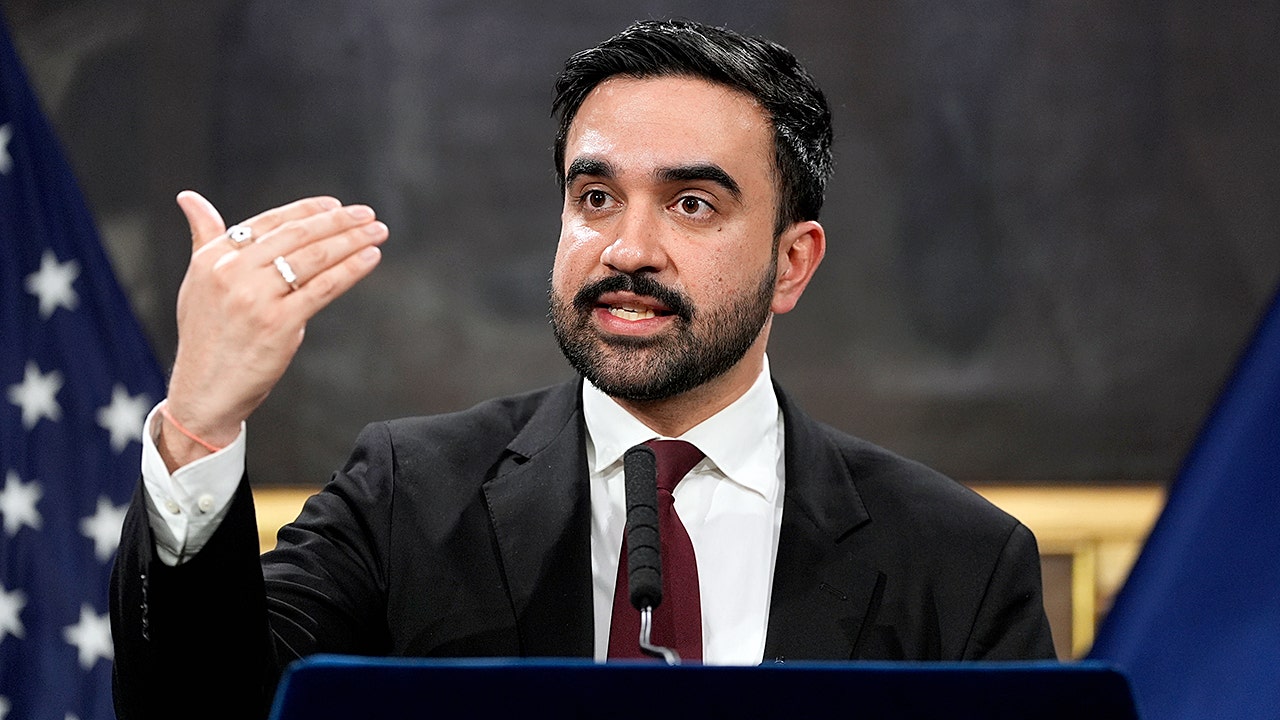
That framework is why Zohran Mamdani’s grocery-store plan has become such a lightning rod. The proposal calls for city-owned stores, starting in the Bronx, with subsidized prices on everyday basics and a model built around public ownership, taxpayer support, and city rules on how the operation runs. It is being sold as relief for families squeezed by inflation, but it also puts the government in direct competition with private grocers.
On paper, cheaper food sounds irresistible. In practice, subsidized pricing changes the game for everyone else on the block. Independent stores have to cover rent, labor, inventory, and risk without a public cushion, while a city-backed store can lean on the treasury and offer lower prices that private shops cannot match for long.
That is where Khaldun’s warning gets hard to ignore. When rulers or public officials step into commerce, they do more than spend money. They distort incentives, pull capital away from productive private hands, and make it harder for ordinary businesses to survive in a market that is no longer playing by the same rules.
New York already has no shortage of pressure points. High operating costs, strict regulations, and a long trail of businesses leaving or shrinking have made the city a tough place to do business. Adding city-owned grocery stores does not fix those conditions, and it does not magically create more food, more competition, or more investment.
It may even make the math uglier. If subsidized stores undercut neighborhood markets, the private sector absorbs the damage first, then the city absorbs the costs next. Taxpayers are left carrying the difference, while officials can still point to lower shelf prices and call it a win.
Khaldun’s real insight was never just about taxes in the abstract. He understood that people produce when they have room to breathe, and they pull back when the state treats them like a bottomless source of cash. The more government crowds into ordinary business activity, the more it risks turning abundance into scarcity and energy into caution.
That is why his old description of dynasties rising and falling still has bite. He saw that prosperity depends on trust, fair treatment, and a climate where merchants, workers, and investors can build without constantly looking over their shoulder. Once those conditions fade, decline does not arrive with a bang. It creeps in through weaker incentives, thinner margins, and a commercial culture that starts to lose its spark.
The grocery-store fight is bigger than eggs, milk, and bread. It is about whether cities should keep the lane clear for private enterprise or jump behind the wheel and try to run the market themselves. Khaldun would have recognized the danger instantly, because the pattern he described keeps showing up wherever governments confuse control with strength.

1 Comment
Buy from other outlets, chains>?