
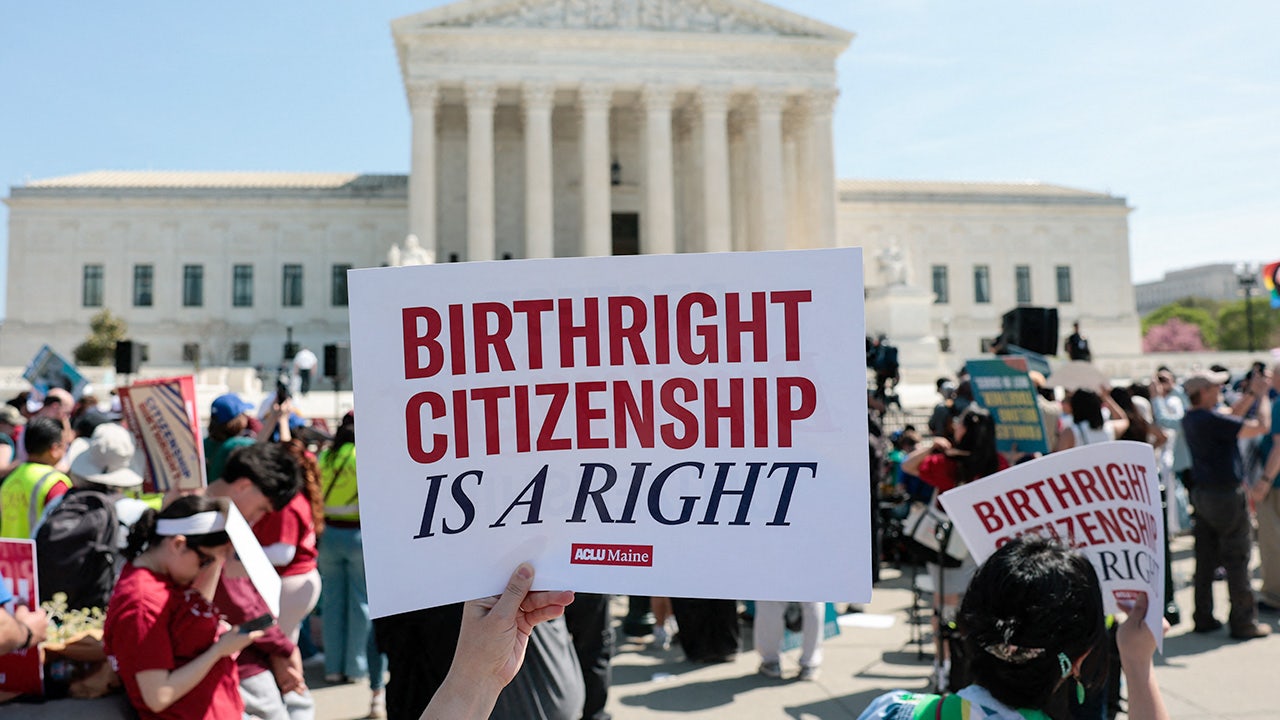
Trump’s newest move on birthright citizenship is built to look narrower, sharper, and harder to knock down. Instead of swinging at the whole doctrine head-on, the order leans on old legal carveouts, targets specific categories like foreign officials and alleged terrorists, and pairs the citizenship fight with a separate push against birth tourism.
Conservative legal thinkers say that shift matters. After the Supreme Court’s June ruling that children born in the United States to parents here unlawfully or on a temporary basis are citizens at birth, Trump’s first broad strategy took a hit, but the fresh version tries to work inside exceptions that lawyers say have existed for generations.
The new order focuses on children born to parents who are not U.S. citizens in certain narrow situations, including when a parent is tied to a designated foreign terrorist organization, works for a foreign government, or is involved in fraud meant to trigger citizenship. Supporters say that setup is very different from a blanket attempt to strip citizenship from every child born to noncitizen parents.
That distinction is the whole game. Legal experts backing the order point to historical limits recognized by the courts, especially the treatment of children of diplomats and children born during wartime under hostile occupation, and argue that terrorists linked to foreign enemies can fit into that same framework.
Chad Mizelle of the America First Policy Institute said the Supreme Court has long recognized exceptions for children of invading armies and ambassadors, and he argues that terrorists who enter the country to cause harm belong in the same bucket. Ilya Shapiro of the Manhattan Institute made a similar case, saying the latest order is aimed at classic exceptions rather than a full rewrite of the 14th Amendment.
Not everyone is buying it. David Bier of the Cato Institute says the administration is reaching for a huge expansion of executive power by trying to redefine who counts as an alien enemy without Congress stepping in. His concern is simple: if the president can decide that on his own, the boundaries of U.S. jurisdiction start looking awfully loose.
Amanda Frost of the University of Virginia also pushed back, arguing that the old case law deals with enemy occupation, not people simply living in the country while linked to extremist groups. In her view, stretching the exception that far would not fit the constitutional history, and it would create more problems than it solves.
That legal fight is already moving. The order is not supposed to take effect until Sept. 6, but court challenges are already lined up in Maryland and New Hampshire, with opponents arguing that the administration is trying to invent exceptions that clash with the Supreme Court’s recent ruling.
Standing could become part of the drama too. Attorneys and legal strategists are already wondering who, exactly, would be able to show a real injury from the policy and get into court before the issue turns into a long running constitutional slog.
The second order is a different animal, and conservatives say it has even cleaner footing. It directs agencies to crack down on birth tourism by denying visas or taking removal action against people believed to be entering the country mainly to give birth so their child can get citizenship.
That issue has been on the radar for years, and State Department rules already instruct officers to deny visitor visas when they believe birth tourism is the main purpose of travel. Supporters of Trump’s move say that makes the latest order less about inventing new law and more about enforcing what the government already has the power to do.
Critics argue the administration is overcomplicating a problem that existing rules already cover, while supporters say the federal government should not be handing out visas to people gaming the system. The sharper debate now is whether the administration’s narrower language will survive where the earlier broad push stumbled, especially if judges decide the old exceptions do not stretch as far as Trump’s lawyers want them to go.
For now, the White House is staying quiet, and the legal temperature keeps rising. As the deadline gets closer, the real pressure point is not just what the courts think about birthright citizenship, but how far a president can push history, language, and executive power before all three start to snap.
